
- 1. The 20 Books You Should Read Before You Die
- 2. 'Around the World in 80 Days', Jules Verne (1872)
- 3. 'The Shortest Path', Manuel Leguineche (1965)
- 4. 'Frankenstein', Mary Shelley (1818)
- 5. '1984', George Orwell (1948)
- 6. 'In Cold Blood', Truman Capote (1967)
- 7. 'The India I Lived In', Alexandra David-Néel (1951)
- 8. 'The Innocent Saints', Miguel Delibes (1981)
- 9. 'On the Road', Jack Kerouac (1957)
- 10. 'Infinity in a Reed', Irene Vallejo (2019)
- 11. 'A Clockwork Orange', Anthony Burgess (1962)
- 12. 'Little Women', Louisa May Alcott (1868)
- 13. 'Landscapes After the Battle', Juan Goytisolo (1982)
- 14. 'Into the Wild', Jon Krakauer (1996)
- 15. 'Nothing', Carmen Laforet (1945)
- 16. 'One Hundred Years of Solitude', Gabriel García Márquez (1966)
- 17. 'The Neverending Story', Michael Ende (1979)
- 18. 'Wuthering Heights', Emily Brontë (1847)
- 19. 'Like Water for Chocolate', Laura Esquivel (1989)
- 20. 'Iliad and Odyssey', Homer (6th century BC)
- 21. 'Murder on the Orient Express', Agatha Christie (1934)
The 20 Books You Should Read Before You Die
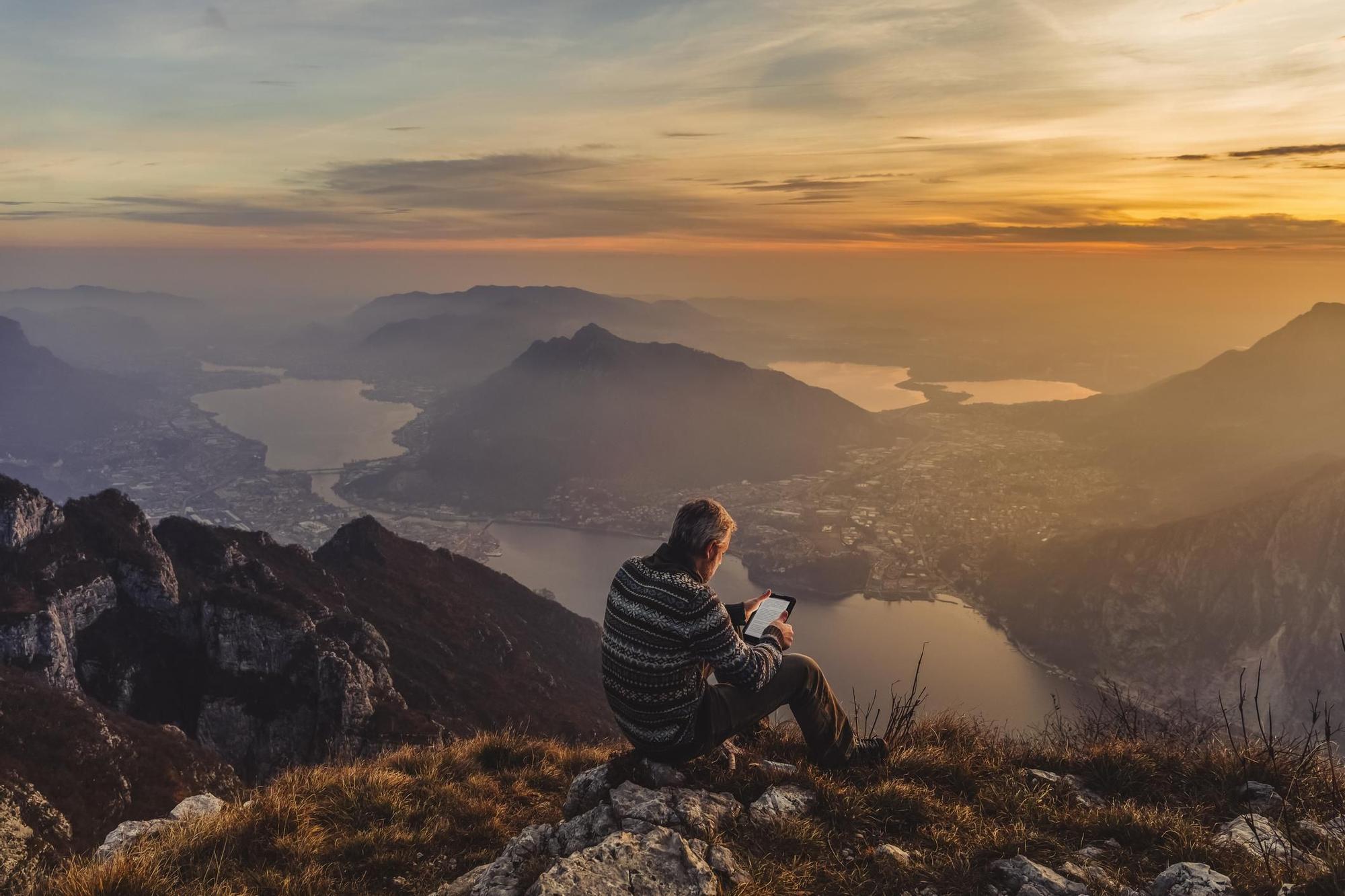
When traveling from home is not possible, a story that makes you cry, laugh, feel startled, enjoy, and suffer is enough to travel with your imagination to any place in the world. Books have been fulfilling this function since ancient times, and they are also the best companions for adventures, those that do not complain, are never a burden, and will not judge any of your actions. These 20 books will accompany you on the most important journey, that of life.
'Around the World in 80 Days', Jules Verne (1872)
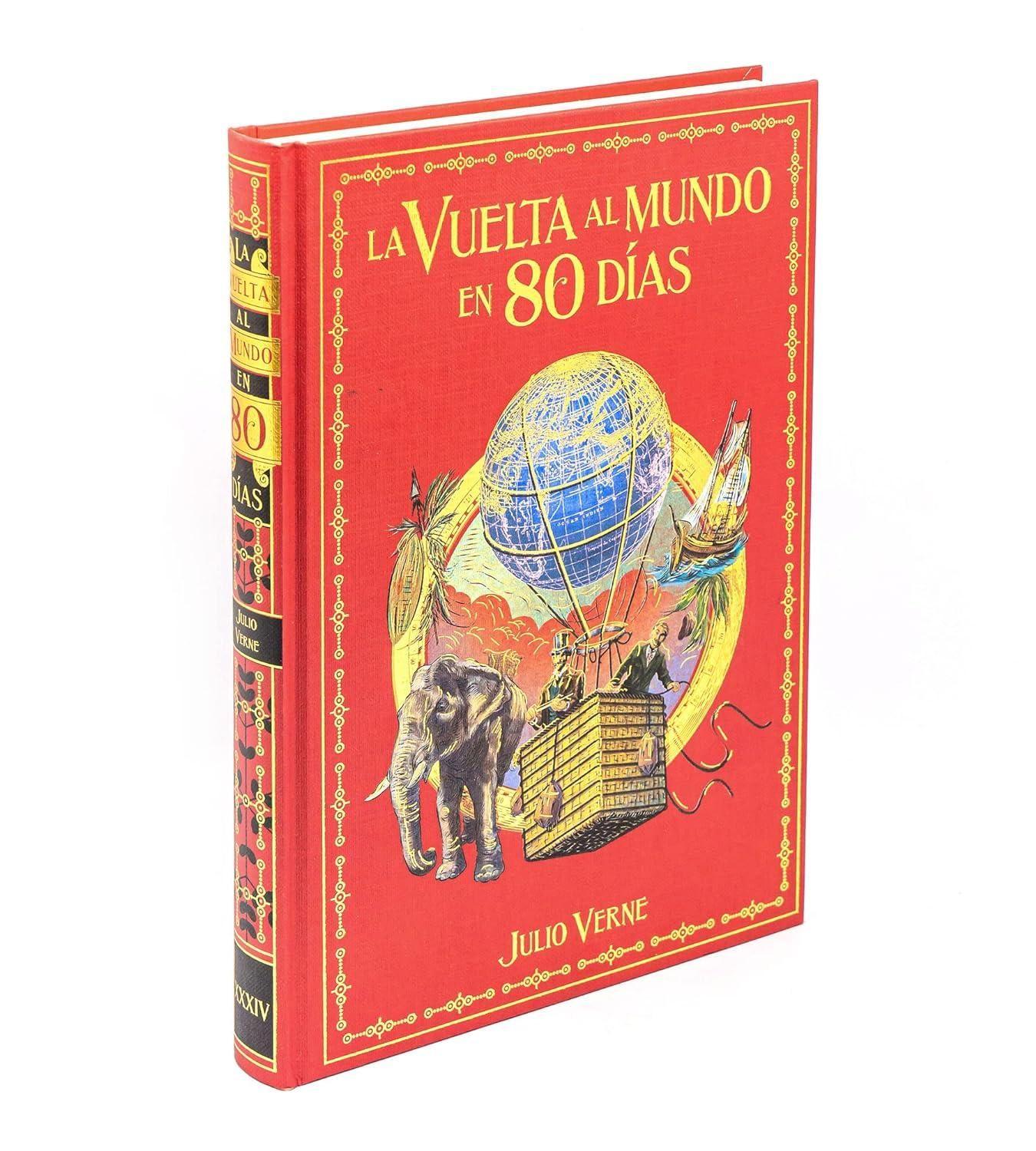
Known for being a pioneer and writing stories filled with fantasy that seem intricate even to the imagination itself, he wrote one of the most widely read and adapted novels of all time, suitable for all audiences. It tells the adventures of Phileas Fogg, an adventurer who bets a substantial amount of money that he is capable of circling the globe in 80 days.
'The Shortest Path', Manuel Leguineche (1965)

One of Spain's most legendary journalists gathered an expedition to drive around the world -in the style of Verne- at only 25 years old. It was 1965, and in response to doubts from the trip organizers, Leguineche replied: "I don't know how to drive or anything about mechanics, but I can sing, play mus, have a great sense of humor, know a bit about geography, and I have read Conrad, Stevenson, and Verne." That was all he needed to shape a narrative filled with stories, life, and truth.
'Frankenstein', Mary Shelley (1818)
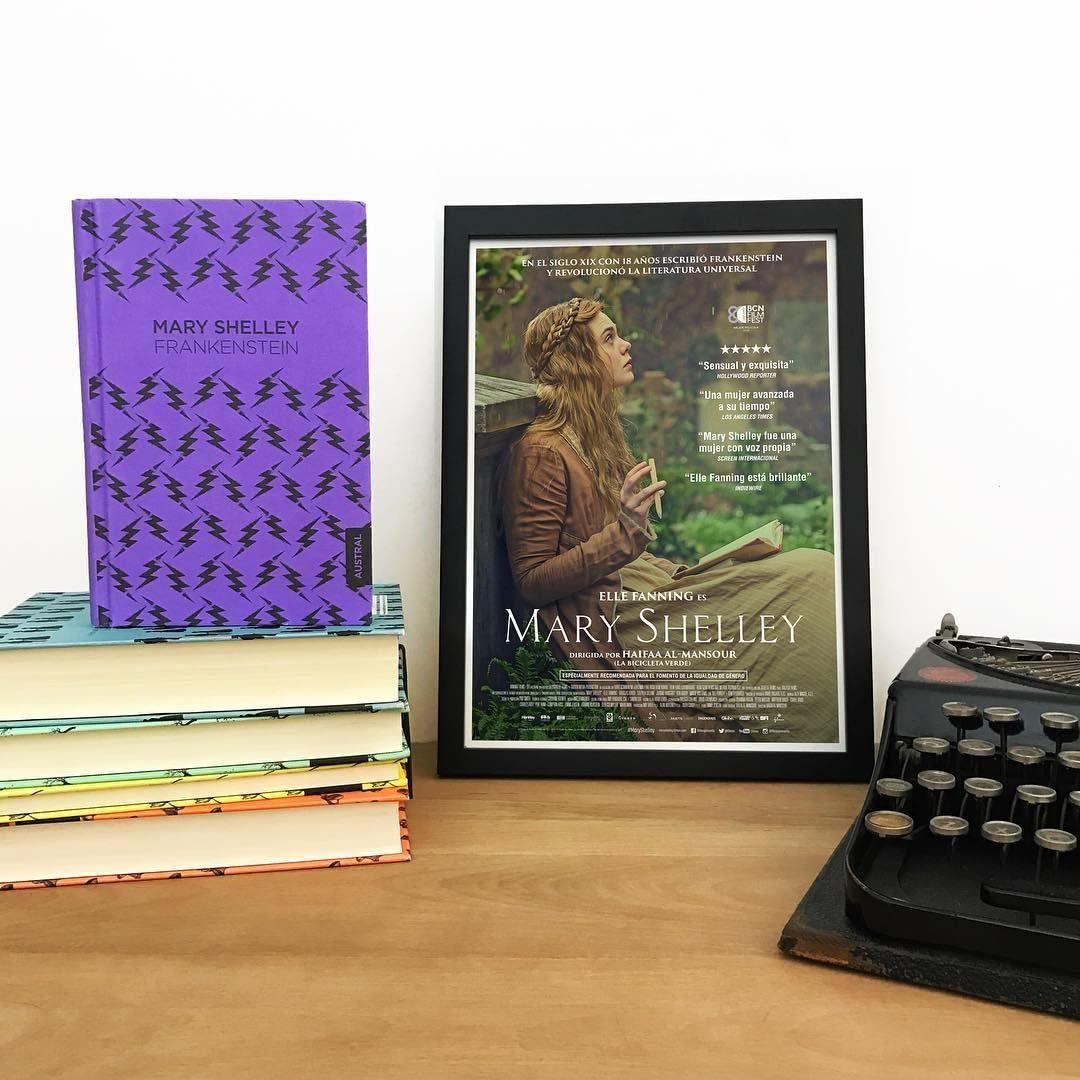
A masterpiece of horror written by a woman in the 19th century who was not expected to achieve much has become a staple for avid readers and one of the most referenced -in cinematic and popular culture- works. During a "damp and unpleasant" summer in 1816, Shelley recounted that she wanted to create "a story that would make the reader dread looking around, chill their blood, and quicken their heart rate."
'1984', George Orwell (1948)

Orwell was one of the first to imagine the future as a dystopian reality beyond human limits. He simply changed the digits of the year he was living in, 1948, to set the story in a distant yet very close future, in London 1984. The English capital has become a gloomy, unpleasant city controlled by Big Brother, the all-seeing eye that does not allow anyone to break the rules, until the protagonist begins to reconsider his life there.
'In Cold Blood', Truman Capote (1967)

This is one of the most acclaimed journalistic books of all time, a report that spans over 400 pages recounting an event that occurred in a town in Kansas in 1959: the Clutter family massacre. Truman Capote travels through all the settings, conducting exhaustive research and reconstructing events in a very peculiar way. This novel -pioneered by him as a nonfiction novel- solidified his status as one of the greatest American writers of the 20th century.
'The India I Lived In', Alexandra David-Néel (1951)

One of the most captivating accounts by the Tunisian traveler and orientalist, who also described herself as a feminist, Buddhist, anarchist, opera singer, explorer, and writer. On a journey that lasted 14 years, which was originally supposed to take 18 months, she traversed much of Asia, especially India, Tibet, and Nepal. She meticulously gathered all information about their history, gods, rituals, customs... rejecting the caste system and providing an unprecedented perspective on the lives of Hindu women.
'The Innocent Saints', Miguel Delibes (1981)
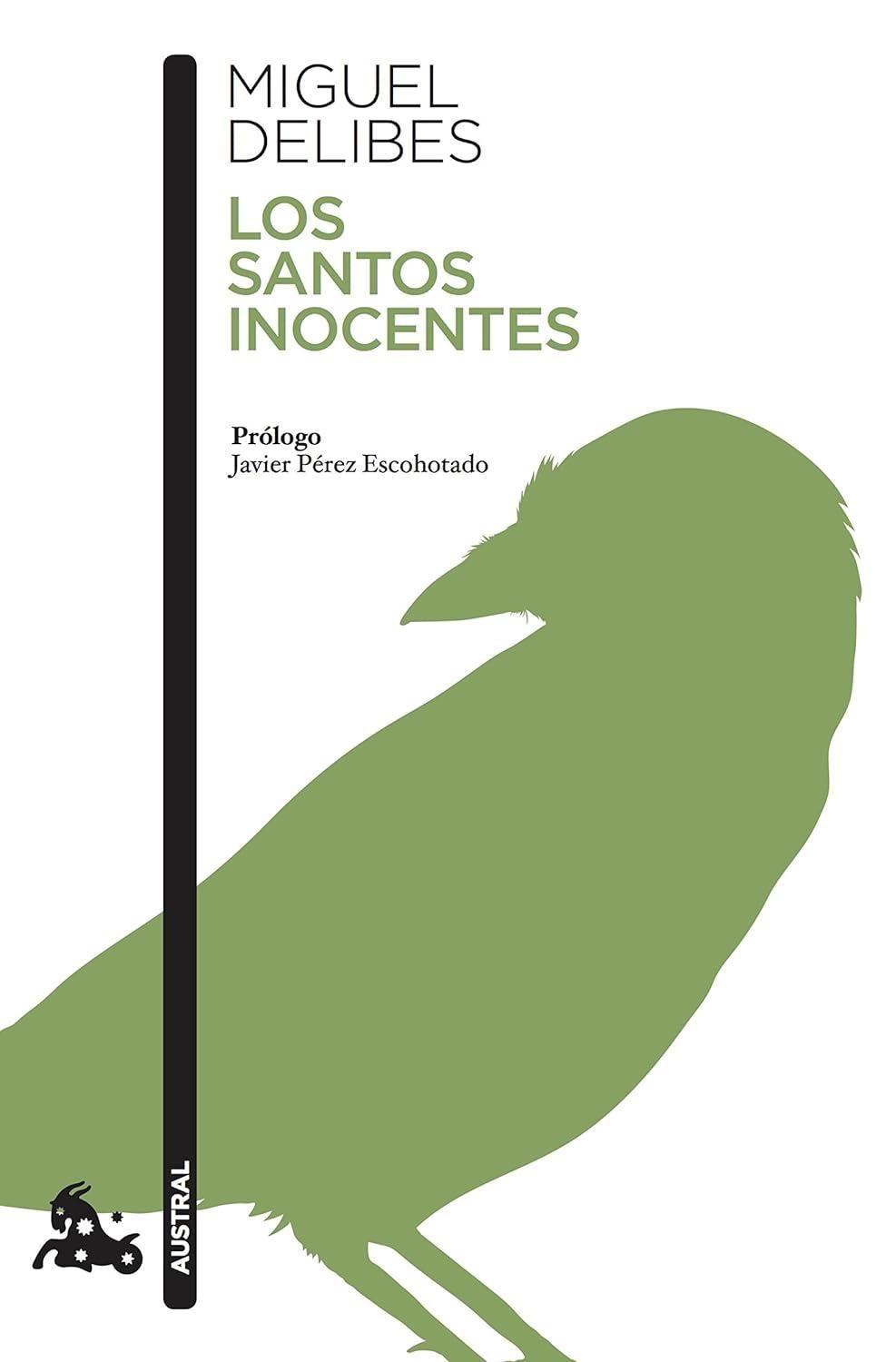
There is no better way to understand the deep Extremadura of the 1970s than by reading this masterpiece by Delibes. It narrates the story of Paco's family, who serves in a farmhouse under a feudal structure reminiscent of medieval times. The pressures from the landowner depict the cruelty and utter lack of empathy that the privileged had toward the lower classes, who endure these abuses with exemplary dignity and respect.
'On the Road', Jack Kerouac (1957)

A journey filled with alcohol, orgies, drugs, anguish, and desolation to capture a hidden yet authentic America with this groundbreaking work of the Beat Generation. Aboard Cadillacs and Dodges, two friends travel the continent starting from New York and passing through New Orleans, Mexico City, San Francisco, Chicago, and returning to the city where it is said that all dreams come true.
'Infinity in a Reed', Irene Vallejo (2019)
The Spanish writer provides a historical overview of the creation of books in a kind of essay discussing books made of smoke, stone, clay, reeds, silk, skin, trees, and modern ones made of plastic and light. She guides us through Cleopatra's palaces, the first bookstores and copy workshops, as well as the library of Sarajevo before it was reduced to rubble, giving voice to all those who were part of a forgotten literature, like Sappho or Livy.
'A Clockwork Orange', Anthony Burgess (1962)

The title may be more associated with Stanley Kubrick's cult film, but it was actually based on a book written nearly a decade before the film's release. It tells the story of Alex, a rebellious and overly aggressive fifteen-year-old whose two passions are violence and Beethoven. He is the leader of a gang of druggies with whom he robs, kills, and rapes anyone who stands in his way until the state detains the leader. Instead of going to a regular prison, they test a new re-education method on him.
'Little Women', Louisa May Alcott (1868)

This book tells the story of the four March sisters, Amy, Jo, Beth, and Meg, so different that only their surname can confirm they are blood relatives. Together with their mother, they navigate Massachusetts amid the backdrop of the American Civil War from 1861 to 1865, experiencing a holiday in which they discover love and the importance of family through a series of adventures that will mark their development as adults. It has had four significant audiovisual adaptations from 1933 to 2019.
'Landscapes After the Battle', Juan Goytisolo (1982)
The eccentricity of the solitary protagonist of this novel set in the Parisian neighborhood of Sentier shapes a catastrophic, fantastical, and political story all at once. Juan Goytisolo mocks the spectacle of what a city of the future -or present- might be like through a mediocre character who identifies with the vulgar neighborhood in which he lives. He explores the 'self' and social values, as well as morality and the tropes of a subjective truth upon which modern societies are based.
'Into the Wild', Jon Krakauer (1996)

A young graduate decides to break with his family and get lost in the lands of Alaska in 1992. Four months later, a group of hunters finds his lifeless body. This true story of 24-year-old Chris McCandless is collected by Krakauer in a detailed report shaped as a novel. Before disappearing, McCandless wrote to a friend: "Don't put down roots, don't settle. Move around often, live a nomadic life. You don't need someone with you to bring a new light to your life. It's out there, simply."
'Nothing', Carmen Laforet (1945)

This novel, winner of the first edition of the Nadal Prize in 1944, has become the Spanish 'Wuthering Heights'. It tells the story of Andrea, a girl who moves to Barcelona to study literature and finds a shocking contrast between her familiar atmosphere and her university relationships. Both worlds eventually collide with a violence that the girl did not expect.
'One Hundred Years of Solitude', Gabriel García Márquez (1966)
This is one of the most important works of the 20th century, undoubtedly the foremost exponent of magical realism that García Márquez perfected in each of his writings. The Buendía-Iguarán family gradually increases throughout a plot that stretches over an untold time, filled with miracles, incest, fantasy, tragedies, condemnations, adulteries, comings and goings, and much love.
'The Neverending Story', Michael Ende (1979)

One of the most classic adventure books in international literature, perfect for all ages. The Empress is ill, and her kingdom Fantasia is in grave danger. Its salvation depends on Atreyu, a warrior from the green skins tribe, and Bastian, a shy boy who loves magic. Together they will embark on a journey through lands of dragons, monsters, and giants that they cannot regret.
'Wuthering Heights', Emily Brontë (1847)

A story of revenge, hatred, unleashed passions, and unexpected loves that transcend death. With a sensitivity ahead of its time, it describes characters that are relentless, depraved, and vengeful. It is Emily Brontë's only narrative work, fulfilling the pact she made with her sisters Charlotte ('Jane Eyre') and Anne ('The Tenant of Wildfell Hall') to each write at least one novel.
'Like Water for Chocolate', Laura Esquivel (1989)

The Mexican writer managed to create the perfect recipe in less than 300 pages. Two strong women, Tita and Nacha, but subjected to their time, always in the kitchen to prepare daily meals with a dose of love, are the necessary ingredients for the perfect novel. But as Tita says, the ingredients are not the most important for a good dish, but the love with which it is made.
'Iliad and Odyssey', Homer (6th century BC)
These two great epic poems are a significant representation of the classical Greek world in universal literature. They were adapted in the 6th century BC -it is believed that Homer compiled them, but it is uncertain whether that person actually existed- and still today they are immortal stories about love, war, and the path of heroes before the decrees of gods.
'Murder on the Orient Express', Agatha Christie (1934)

The East was one of the writer's favorite places, where she traveled frequently with her husband, architect Max Mallowan. To write the most popular mystery of detective Hercules Poirot, she was inspired by an event that happened to her: she was heading to Istanbul in the luxurious 1900s train when it stopped in the middle of nowhere for 24 hours. The murder that Poirot must investigate came from Christie's imagination.
A list of 20 books is short to include all the great stories in literature, such as the fantastic universes of 'The Lord of the Rings', the crazy adventures of the noble 'Don Quixote', the investigations of the astute Sherlock Holmes and his companion Watson, or the romances of Fitzwilliam Darcy and Elizabeth Bennet in 'Pride and Prejudice'. All of them with their singular aura that transports you to unknown places until they are read in novels.