
- 1. 23 Iconic Monuments Left by the World's Fairs
- 2. Royal Exhibition Building, Melbourne Universal Exhibition of 1880
- 3. Castle of the Three Dragons, Barcelona Universal Exhibition of 1888
- 4. Arc de Triomf, Barcelona Universal Exhibition of 1888
- 5. Columbus Monument, Barcelona Universal Exhibition of 1888
- 6. Eiffel Tower, World's Fair of 1889
- 7. Art Institute of Chicago, Columbian Exposition of 1893
- 8. Musée d'Orsay, Paris Universal Exhibition of 1900
- 9. Grand Palais and Petit Palais, Paris Universal Exhibition of 1900
- 10. Civic Aquarium of Milan, Milan Universal Exhibition of 1906
- 11. Palau Nacional, International Exhibition of Barcelona 1929
- 12. Poble Espanyol, International Exhibition of Barcelona 1929
- 13. Magic Fountain of Montjuïc, International Exhibition of Barcelona 1929
- 14. Plaza de España in Seville, Ibero-American Exhibition of 1929
- 15. Plaza de América in Seville, Ibero-American Exhibition of 1929
- 16. Atomium, Brussels First-Class General Exhibition of 1958
- 17. Space Needle, Seattle Second-Class General Exhibition of 1962
- 18. Unisphere, New York World's Fair of 1964
- 19. Biosphere of Montreal, Universal Exhibition of 1967
- 20. Habitat 67, Universal Exhibition of 1967
- 21. Tower of the Sun, Osaka First-Class General Exhibition of 1970
- 22. Oceanarium of Lisbon, Specialized Exhibition of 1998
- 23. Bridge Pavilion, International Exhibition of Zaragoza 2008
- 24. China Art Museum, Universal Exhibition of Shanghai 2010
23 Iconic Monuments Left by the World's Fairs
For over 170 years, the World's Fairs have served as a showcase to display the technological and artistic advancements of the time and, in many cases, have had a significant impact on the urban organization of the host city. On October 1st, with a year's delay, the Dubai Expo 2020 finally kicked off. The event, which will last until March 31, 2022, promises to be a hot topic, and undoubtedly, one of the most enticing constructions is the spectacular dome of Al Wasl.
To celebrate the opening of the highly anticipated fair, Musement has compiled a list of the main monuments and iconic structures inherited from the World's Fairs. Although some of them were planned to be temporary, their success was such that they survived their respective exhibitions, becoming true world-famous tourist attractions.
Royal Exhibition Building, Melbourne Universal Exhibition of 1880

The Royal Exhibition Building is one of the oldest exhibition pavilions in the world and still hosts fairs and events. The spectacular building, designed by Joseph Reed, combines various architectural styles and has been part of UNESCO's World Heritage since 2004. It is undoubtedly a must-visit in Melbourne.
Castle of the Three Dragons, Barcelona Universal Exhibition of 1888
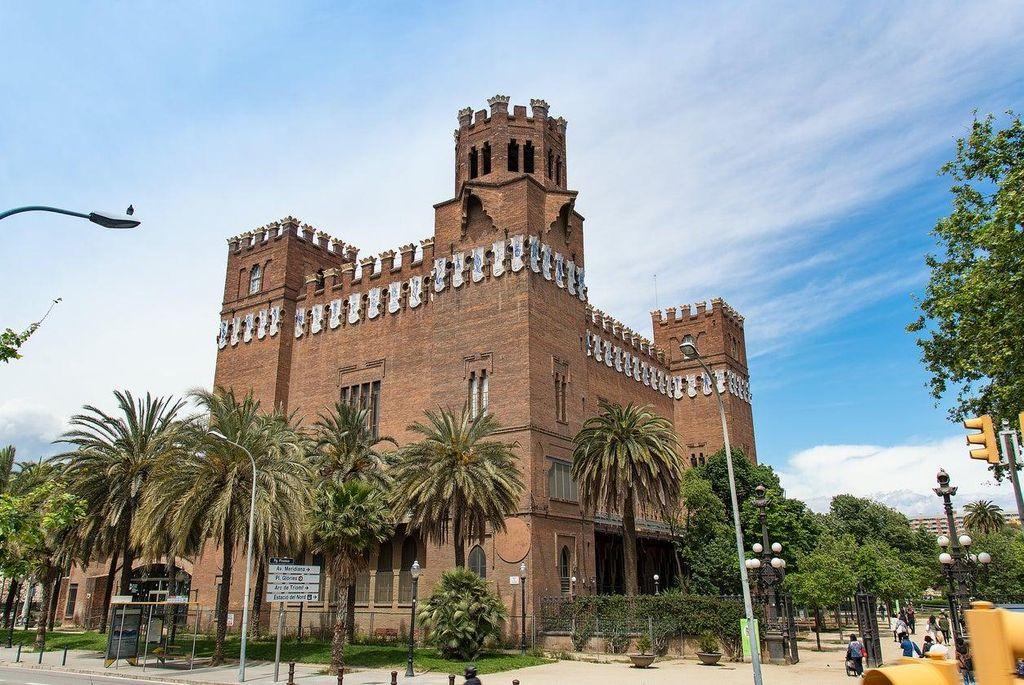
Ciutadella Park hosted the World's Fair of 1888, and among the buildings created for the event that still exist today, the Castle of the Three Dragons stands out. This beautiful modernist building designed by Lluís Domènech i Montaner was the café-restaurant of the exhibition. It is currently one of the locations of the Natural History Museum.
Arc de Triomf, Barcelona Universal Exhibition of 1888

This spectacular 30-meter tall monument was designed by Josep Vilaseca as the entrance to the 1888 fair. The structure, inspired by Mudéjar architecture, is laden with symbolism, referencing the nations that participated in the exhibition and the Spanish provinces.
Columbus Monument, Barcelona Universal Exhibition of 1888
One of the most famous statues in the Catalan city, the monument to Columbus, erected in honor of the discoverer Christopher Columbus, was inaugurated during the 1888 World's Fair. In fact, its creation is part of the improvements made to the city for the international event. Today, one of the main attractions of the sculpture ensemble is the viewing platform located 60 meters high.
Eiffel Tower, World's Fair of 1889

The Campo de Marte in Paris hosted the 1889 World's Fair, whose crown jewel was undoubtedly the Eiffel Tower. To construct the spectacular tower over 300 meters tall, it took 2 years, 2 months, and 5 days. Its success was such that nearly 2,000,000 people from various countries visited the tower, which at that time was the tallest in the world, to enjoy the panoramic views from the top.
Art Institute of Chicago, Columbian Exposition of 1893

Located on Michigan Avenue, the Art Institute of Chicago is currently one of the most visited museums in the U.S. The building housing the complete collection of the gallery, which includes famous works such as Grant Wood's American Gothic and Edward Hopper's Nighthawks, was built for the Columbian Exposition.
Musée d'Orsay, Paris Universal Exhibition of 1900

It is well known that the Musée d'Orsay is located in a former railway station. What many may not know is that this palace-like station was inaugurated during the 1900 Paris Universal Exhibition. The building, converted into a museum in the 1980s, is now a must-stop for lovers of Impressionism and Post-Impressionism.
Grand Palais and Petit Palais, Paris Universal Exhibition of 1900

Both monuments were created for the universal exhibition and, more than 120 years after their construction, continue to inspire admiration. The Grand Palais is a masterpiece of architecture that perfectly combines stone, steel, and glass. Its glass dome is one of its main distinguishing features. Meanwhile, the Petit Palais, besides its architectural beauty, is famous for housing the Fine Arts Museum.
Civic Aquarium of Milan, Milan Universal Exhibition of 1906
The building housing the aquarium is the only pavilion that still remains from the universal exhibition held in Milan in 1906. It is one of the oldest aquariums in Europe and is located in Parco Sempione. The Art Nouveau façade, designed by architect Sebastiano Locati, is a true marvel.
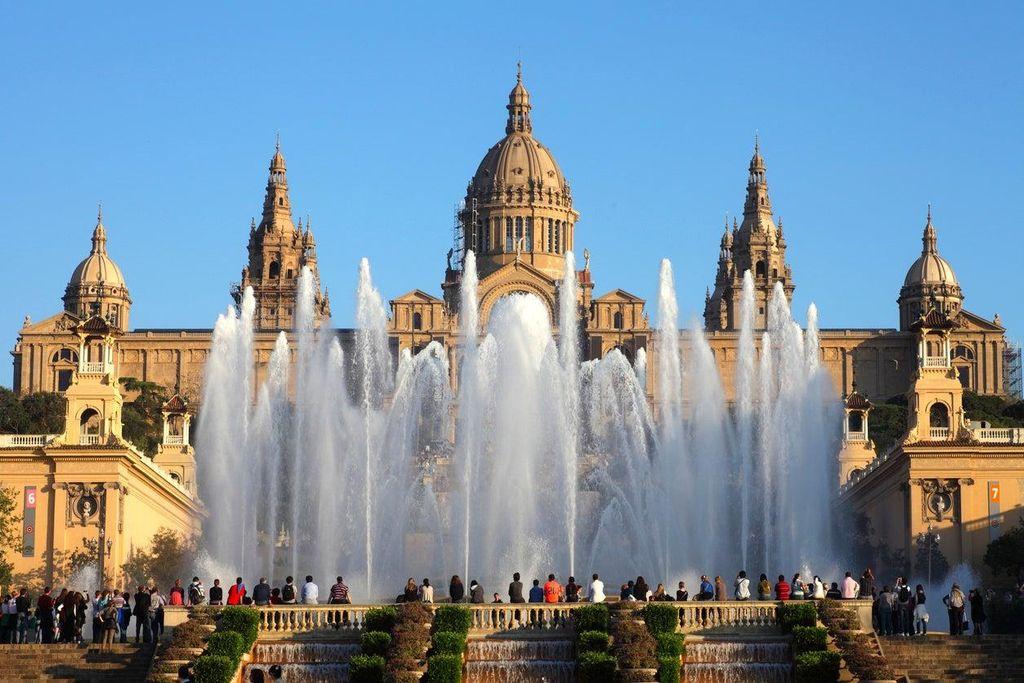
Palau Nacional, International Exhibition of Barcelona 1929
Whereas the Ciutadella Park was adjusted for the 1888 exhibition, the Montjuïc mountain was the setting for the event in 1929. The Palau Nacional, in a classicist style, was the main building of the event. Its enormous main dome resembles that of St. Peter's in the Vatican and is one of the most recognizable elements of Montjuïc. Today, it houses the National Art Museum of Catalonia.
Poble Espanyol, International Exhibition of Barcelona 1929
Poble Espanyol was another venue created for the exhibition held in the Catalan city in 1929. The project's creators visited 1600 towns throughout Spain to gather all the necessary material before starting construction work. The success of what was Spain's pavilion during the exhibition was such that, although it was originally planned for demolition after the event, the city hall decided to preserve it. Therefore, we can still visit this wonderful open-air architecture museum and enjoy the 117 full-scale buildings it contains.
Magic Fountain of Montjuïc, International Exhibition of Barcelona 1929
The Magic Fountain is another emblem of Barcelona whose origin dates back to an international exhibition. More than 3000 workers were needed to bring to life the project designed by Carles Buïgas to fill the main avenue of the event with light, color, and water. Since its creation, millions of people have enjoyed the incredible spectacle of this fountain capable of moving 2610 liters of water per second.
Plaza de España in Seville, Ibero-American Exhibition of 1929

The square that brought the planet Naboo to life in Star Wars Episode II: Attack of the Clones was built for the Ibero-American Exhibition that took place in Seville in 1929. Built simultaneously with the International Exhibition of Barcelona in 1929, both were considered the General Spanish Exhibition. Of the 117 buildings constructed for the fair, 25 still stand today, and undoubtedly, the spectacular square designed by Aníbal González, where the inaugural ceremony of the exhibition was held, is one of the greatest legacies of the event.
Plaza de América in Seville, Ibero-American Exhibition of 1929
The Plaza de América is part of the urban-artistic project created for the exhibition in Seville. Here, the same architect responsible for the Plaza de España also designed three of the most emblematic pavilions of the fair, which we can still admire today: the Gothic-style Royal Pavilion (currently used as offices), the Mudéjar Pavilion (currently the Museum of Arts and Popular Traditions), and the Renaissance-style Fine Arts Pavilion (currently the Provincial Archaeological Museum).
Atomium, Brussels First-Class General Exhibition of 1958

The spectacular structure formed by nine steel spheres, designed by André Waterkeyn and André and Jean Polak, was originally intended to last for 6 months. However, its success was such that not only does it still stand, but it has become one of the most recognizable symbols of Belgium.
Space Needle, Seattle Second-Class General Exhibition of 1962

Nearly 10 million people attended this expo, whose slogan was "A Space Age for the Expo." Inspired by the telecommunications tower in Stuttgart, the Space Needle was a huge success, welcoming approximately 2.65 million visitors during the event, including the legendary Elvis Presley. Today, the Space Needle is part of Seattle's skyline and is one of the city's most popular tourist attractions.
Unisphere, New York World's Fair of 1964
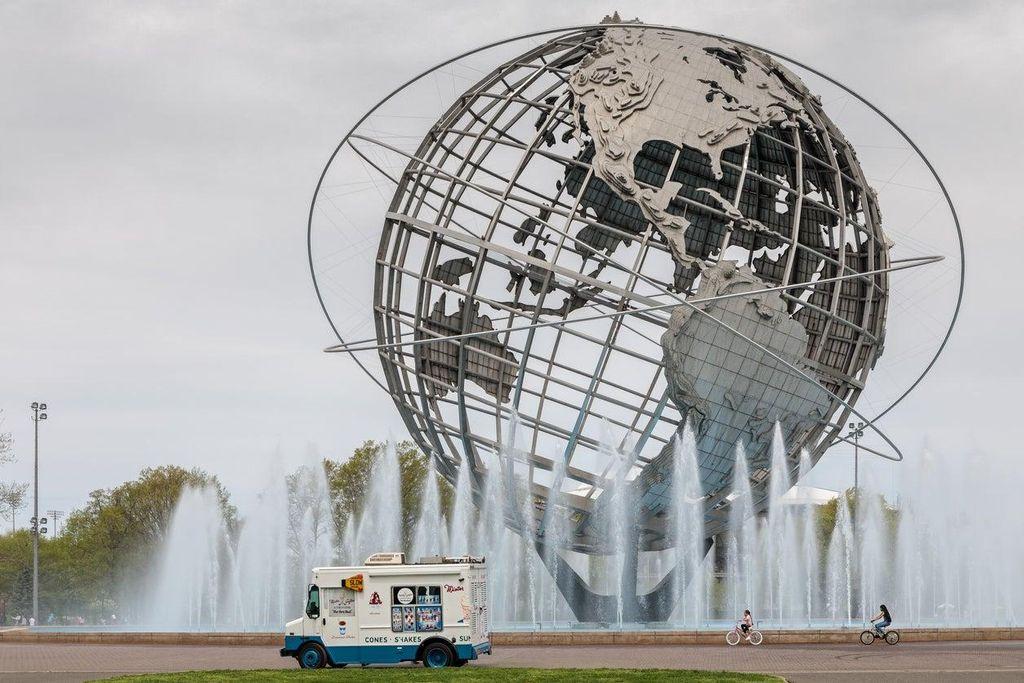
This exposition, which was not recognized by the International Bureau of Exhibitions, left us one of the undeniable symbols of New York City, the Unisphere. Located in the Queens district, the enormous steel globe became the central element of the event.
Biosphere of Montreal, Universal Exhibition of 1967

This expo left several landmarks in terms of architecture. One of them is the former U.S. pavilion, designed by Buckminster Fuller. Today, the giant metal bubble, which survived the 1976 fire, houses a museum about the environment and is one of the city's most popular attractions.
Habitat 67, Universal Exhibition of 1967
The housing complex made up of 354 concrete blocks designed by Moshe Safdie was one of the star pavilions of Expo 67 in Montreal. Although the Israeli-Canadian architect did not achieve his goal of creating affordable housing that would revolutionize urban living, his design had a profound impact on the world of architecture.
Tower of the Sun, Osaka First-Class General Exhibition of 1970

The spectacular tower designed by Tarō Okamoto has three faces and stands over 65 meters tall. Once the undisputed symbol of the expo, it is now one of the stars of the memorial park of Expo 70 in Osaka. Since 2018, it has been possible to revisit the interior of the tower, but reservations are required in advance.
Oceanarium of Lisbon, Specialized Exhibition of 1998

The oceanarium was inaugurated during Expo 98, honoring its main theme: "The Ocean, a Heritage for the Future." The event organizers decided to build an aquarium that would keep this message alive after the expo ended and, at the same time, contribute to the development of cultural offerings in Portugal. A new facility was added to the first building designed by Peter Chermayeff in 2011.
Bridge Pavilion, International Exhibition of Zaragoza 2008

The exhibition complex in Zaragoza, whose thematic axis was "Water and Sustainable Development," was located in the meander of Ranillas, next to the Ebro River. Among the various structures created for the expo, which still endure today, such as the Water Tower or the river aquarium, one of the most acclaimed remains (and continues to be) the Bridge Pavilion, designed by Zaha Hadid. The innovative horizontal building, which served as the gateway to the exhibition, is currently the headquarters of Mobility City.
China Art Museum, Universal Exhibition of Shanghai 2010
Dubbed the "Chinese Crown" for its resemblance to ancient imperial crowns, the pavilion of China during Expo 2010 is one of the few constructions that remained standing after the event. The red building shaped like a truncated pyramid now houses the China Art Museum, one of the largest in Asia.