
- 1. The 24 New UNESCO World Heritage Sites for 2024
- 2. Cultural Sites
- 3. Central Axis of Beijing (China)
- 4. Brâncuși Monumental Ensemble of Târgu Jiu (Romania)
- 5. Cultural Landscape of Lake Kenozero (Russia)
- 6. Roman Ruins of Dacia (Romania)
- 7. Hegmataneh (Iran)
- 8. Constitution Hill (South Africa)
- 9. Archaeological and Paleontological Site in Ethiopia's Mountains
- 10. Settlement of the Tai-Ahoms in Charaideo (India)
- 11. Kok Ma Noi (Thailand)
- 12. Royal Court of Tiébélé (Burkina Faso)
- 13. Open-Pit Mining Site of Tete-no-Warito (Japan)
- 14. St. Hilarion Monastery / Tell Umm Amer (Palestine)
- 15. Schwerin Residential Ensemble (Germany)
- 16. Archaeological Heritage of the Niah Cave Complex (Malaysia)
- 17. Cultural Landscape of the Al-Faw Archaeological Zone (Saudi Arabia)
- 18. Pleistocene Occupation Sites in South Africa
- 19. Historical City and Archaeological Site of Gedi (Kenya)
- 20. Umm Al-Jimāl (Jordan)
- 21. Appian Way: Queen of the Roads (Italy)
- 22. Natural Properties
- 23. Badain Jaran Desert (China)
- 24. Lençóis Maranhenses National Park (Brazil)
- 25. Flow Country (United Kingdom and Northern Ireland)
- 26. Vjetrenica Cave, Ravno (Bosnia and Herzegovina)
- 27. Significant Modifications in Boundaries
- 28. Moravian Church Settlements (Denmark, Germany, England, United States)
- 29. Migratory Bird Sanctuaries along the Yellow Sea Coast and Bohai Gulf in China (Phase II)
- 30. Mixed Properties
- 31. Te Henua Enata - The Marquesas Islands (France)
The 24 New UNESCO World Heritage Sites for 2024
UNESCO inscribes new properties as World Heritage Sites each year. The world has many corners that deserve such recognition, like these 10 that will leave you in awe, but there are still some hidden ones that, whether for their cultural interest, natural beauty, or both, are significant to the world. All of these monuments are protected by UNESCO from any form of threat, making them extremely important for the countries that host them.
Cultural Sites
Central Axis of Beijing (China)

Ancient palaces, imperial gardens, sacrificial structures, and ceremonial and public buildings form the historic heart of China's capital. The whole complex testifies to the evolution the city has undergone and showcases the imperial dynastic system and the country's urban planning traditions. Although the area has been populated for over three thousand years, the Central Axis originated during the Yuan Dynasty (1271-1368), which established its capital in Dadu, in the north.
The location, layout, urban pattern, roads, and design reflect the city as prescribed by an ancient text from the Book of Diverse Crafts, Kaogongji. There are also historic structures built during the Ming Dynasty (1368-1644) and improved during the Qing Dynasty (1636-1912).
Brâncuși Monumental Ensemble of Târgu Jiu (Romania)

Artist Constantin Brâncuși created between 1937 and 1938 an austere, contemplative, and accessible monumental ensemble: Târgu Jiu. This pioneer of abstract sculpture wanted to commemorate the victims of World War I who died defending their city. It is spread across two parks connected by the Avenue of Heroes and includes the monumental ensemble of sculptural installations and the already existing church of Saints Apostles Peter and Paul.
Cultural Landscape of Lake Kenozero (Russia)
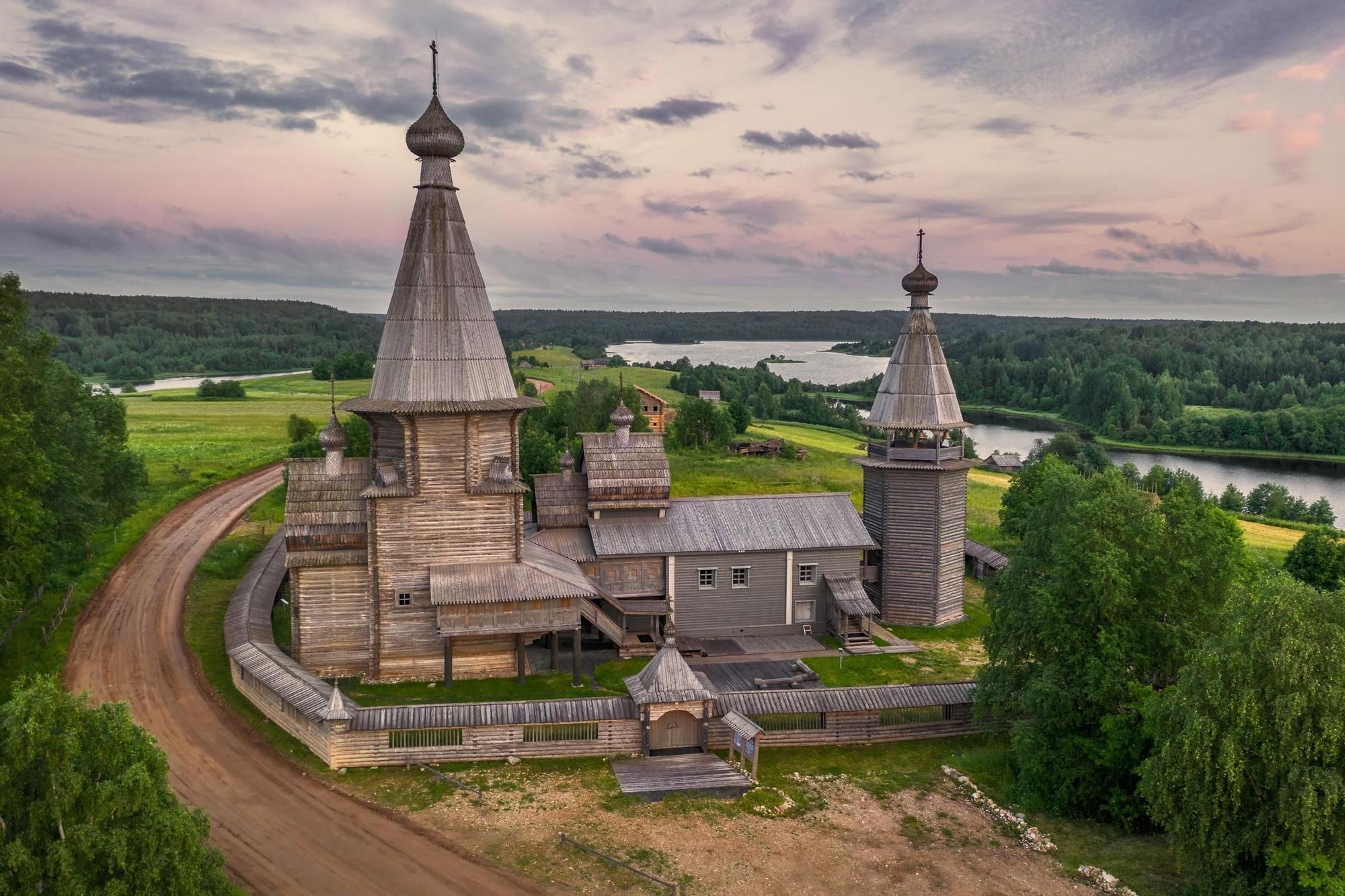
Located in the Kenozero National Park, in the northwest of the European region of the Russian Federation, this site represents the local cultural landscape that began to develop in the 12th century, after Slavic colonization. It includes a series of traditional rural settlements with wooden vernacular architecture that reflects the community management of agriculture and nature that arose from the fusion between indigenous peoples and Slavs. Key highlights include wooden churches and other religious buildings with painted roofs resembling the sky.
Roman Ruins of Dacia (Romania)

The Roman Empire has been one of the largest empires in history, extending from 500 B.C. to Europe and North Africa to reach 7,500 kilometers by the 2nd century. The Dacian limes is the Romanian segment, which operated from 106 to 271 A.D. and is divided into 277 parts. It represents the longest and most complex border of an ancient Roman province in Europe.
It consists of a network of individual sites including legionary fortresses, auxiliary forts, walls, watchtowers, and secular buildings. The border of Dacia, the only Roman province entirely north of the Danube River, was protected from barbarians and controlled access to gold and salt resources.
Hegmataneh (Iran)

The remains of the ancient city of Hegmataneh, which has been continuously inhabited for almost three millennia, are located in northwestern Iran. It provides significant and rare evidence of Median civilization in the 7th and 6th centuries B.C. Later, the Achaemenid, Seleucid, Parthian, and Sassanid rulers used it as a summer capital.
Constitution Hill (South Africa)

This ensemble pays tribute to the struggle for human rights, liberation, and reconciliation. It consists of 14 zones related to the political history of South Africa in the 20th century scattered throughout the country. Among them are the Union Buildings (Pretoria), the Sharpeville Sites that commemorate the massacre of 69 people protesting against the Pass Laws, and The Great Place in Mqhekezweni, where Mandela lived as a child. All reflect key moments in the struggle against apartheid led by activists and the beliefs based on non-racism, Pan-Africanism, and ubuntu.
Archaeological and Paleontological Site in Ethiopia's Mountains

The archaeological and paleontological sites in the upper Awash valley preserve records that testify to the occupation by hominid groups two million years ago. Fossils of Homo erectus, Homo heidelbergensis, and archaic Homo sapiens have been found here. This includes four consecutive phases of the Oldowan, Acheulean, Middle Stone Age, and Late Stone Age techno-complexes. They allow the reconstruction of the high-altitude ecosystem of the Ethiopian Highlands during the Pleistocene.
Settlement of the Tai-Ahoms in Charaideo (India)

East of Assam, in the Patkai hills, lies the royal necropolis of the Tai-Ahoms, who, for 600 years, created moidams or burial mounds that accentuated the natural topography of hills, forests, and water. Together, they form a sacred geography, with banyan trees and others used for coffins and bark manuscripts. There are 90 moidams, hollow vaults built with brick, stone, or earth of various sizes. Inside, there are remains of kings and other royalty with funerary objects like food, horses, elephants, and even queens and servants.
Kok Ma Noi (Thailand)

This is a testament to the Sima stone tradition of the Dvaravati period between the 7th and 12th centuries A.D. The sacred boundary markers in areas of Theravada Buddhist monastic practice vary in materials, but the extensive use of stones only occurs in the Khorat Plateau region of Southeast Asia. The area of Phu Phrabat mountain conserves the largest corpus of these stones, suggesting that this tradition once prevailed in the region.
Royal Court of Tiébélé (Burkina Faso)

This earth architectural complex was established in the 16th century and bears witness to the social organization and cultural values of the Kasena people. It is surrounded by a protective wall called the Royal Court and consists of a group of buildings arranged in concessions separated by walls and passages that lead to ceremonial and meeting places outside the enclosure. The huts are adorned with symbolic decorations that hold significance for women, the only guardians of this knowledge, ensuring that the tradition remains alive.
Open-Pit Mining Site of Tete-no-Warito (Japan)

This site is made up of various components illustrating different non-mechanized mining methods. This Japanese island is of volcanic origin and features two parallel mountain ranges extending from southwest to northeast, separated by the Kuninaka plain. Gold and silver deposits were mined in the Nishimikawa area, northwest of the Kosado mountains. The attributes are preserved as archaeological elements, above and below ground, and as landscape features.
St. Hilarion Monastery / Tell Umm Amer (Palestine)

St. Hilarion founded the monastery, which began its life with solitary hermits and evolved into a cenobitic community. It was the first monastic community in the Holy Land and laid the groundwork for the spread of practices in the region. The monastery occupied a strategic position at the crossroads of major trade routes and communication between Asia and Africa. Its location facilitated its role as a center of religious, cultural, and economic exchange.
Schwerin Residential Ensemble (Germany)

The ensemble was largely created in the 19th century, in the then capital of the Grand Duchy of Mecklenburg-Schwerin. It consists of 38 elements, including the residence of the Grand Duke and manor houses, cultural and sacred buildings, and the Pfaffenteich pond. It meets all the functions of a ducal capital in various terms, and the buildings form an exceptional complex that reflects the historicist spirit of the time, from neo-Renaissance to neo-baroque and neoclassical.
Archaeological Heritage of the Niah Cave Complex (Malaysia)

This complex of colossal interconnected caves is located within the Niah National Park, near the west coast of the island of Borneo. It contains the most extensive known records of human interaction with the rainforest, spanning about 50,000 years. The archaeological deposits, as well as prehistoric rock paintings and boat-shaped burials found there, illustrate life during that time. Local communities still show a strong influence from the molong tradition ('take only what you need').
Cultural Landscape of the Al-Faw Archaeological Zone (Saudi Arabia)

This landscape was located at a strategic point on the ancient trade routes of the Arabian Peninsula. Although it was abruptly abandoned in the 5th century A.D., nearly 12,000 archaeological remains have been found from prehistory to the late pre-Islamic era. It is a testament to the successive occupation of three different populations and their adaptation to the changing conditions of the environment.
Pleistocene Occupation Sites in South Africa
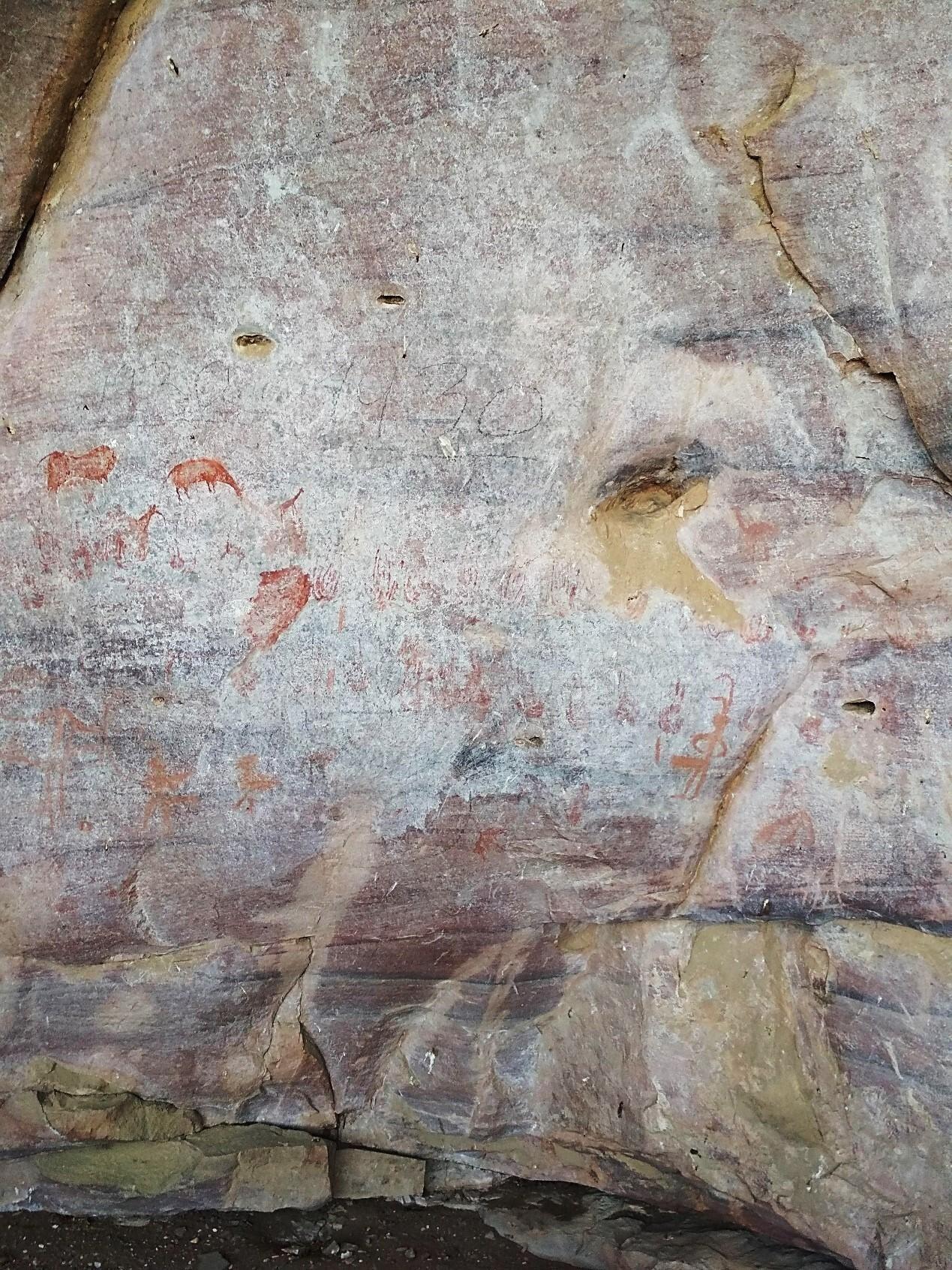
These sites contribute to understanding the origins of modern humans regarding their behavior, cognitive and cultural capabilities, and the climatic transitions they survived. They are three dispersed archaeological sites: the rock shelter of Diepkloof, the Pinnacle Point site complex, and the Sibudu cave, located between the provinces of Western Cape and KwaZulu-Natal in South Africa. They represent the best-preserved record of the development of modern human behavior.
Historical City and Archaeological Site of Gedi (Kenya)

Gedi was one of the most important Swahili cities on the east African coast between the 10th and 17th centuries, surrounded by a remnant coastal forest and distanced from the coast. It is currently abandoned, but during that period it was part of a complex and international network of trade and cultural exchanges that connected coastal African centers with Persia and other areas. It is enclosed by walls and features remains of domestic, religious, and civic architecture.
Umm Al-Jimāl (Jordan)

This rural settlement north of Jordan organically developed on the site of an earlier Roman settlement between the 5th and 8th centuries A.D. It preserves basalt structures from the Byzantine and early Islamic periods, representing the local architectural style of the Hauran region. It was part of a larger agricultural landscape, and the earliest discovered structures date back to the 1st century A.D. when it was still part of the Nabataean Kingdom.
Appian Way: Queen of the Roads (Italy)

This is the oldest and most important road constructed by the ancient Romans, spanning over 800 kilometers. It was originally conceived as a strategic route for military conquest towards the East and Asia Minor. Later, it facilitated the growth of the cities it connected and the emergence of new settlements. It consists of 22 sections, fully developed as engineering works displaying advanced technical skill. It includes structures such as triumphal arches, baths, amphitheaters, basilicas, aqueducts, and bridges.
Natural Properties
Badain Jaran Desert (China)

The Alashan plateau in the hyper-arid, temperate desert region of northwest China conceals a meeting point between three sandy regions, being the largest desert in the country and the second largest floating desert. It is noted for its high density of megadunes, intersected by interdunal lakes, with spectacular geological and geomorphological characteristics of unique desert landscapes and geographical features.
It houses the world's highest stabilized sand megadune, reaching about 460 meters; the largest concentration of interdunal lakes, and the greatest expanse of singing sands and wind-eroded geographical features. The variety of the environment results in a high level of habitat diversity and, therefore, biodiversity.
Lençóis Maranhenses National Park (Brazil)
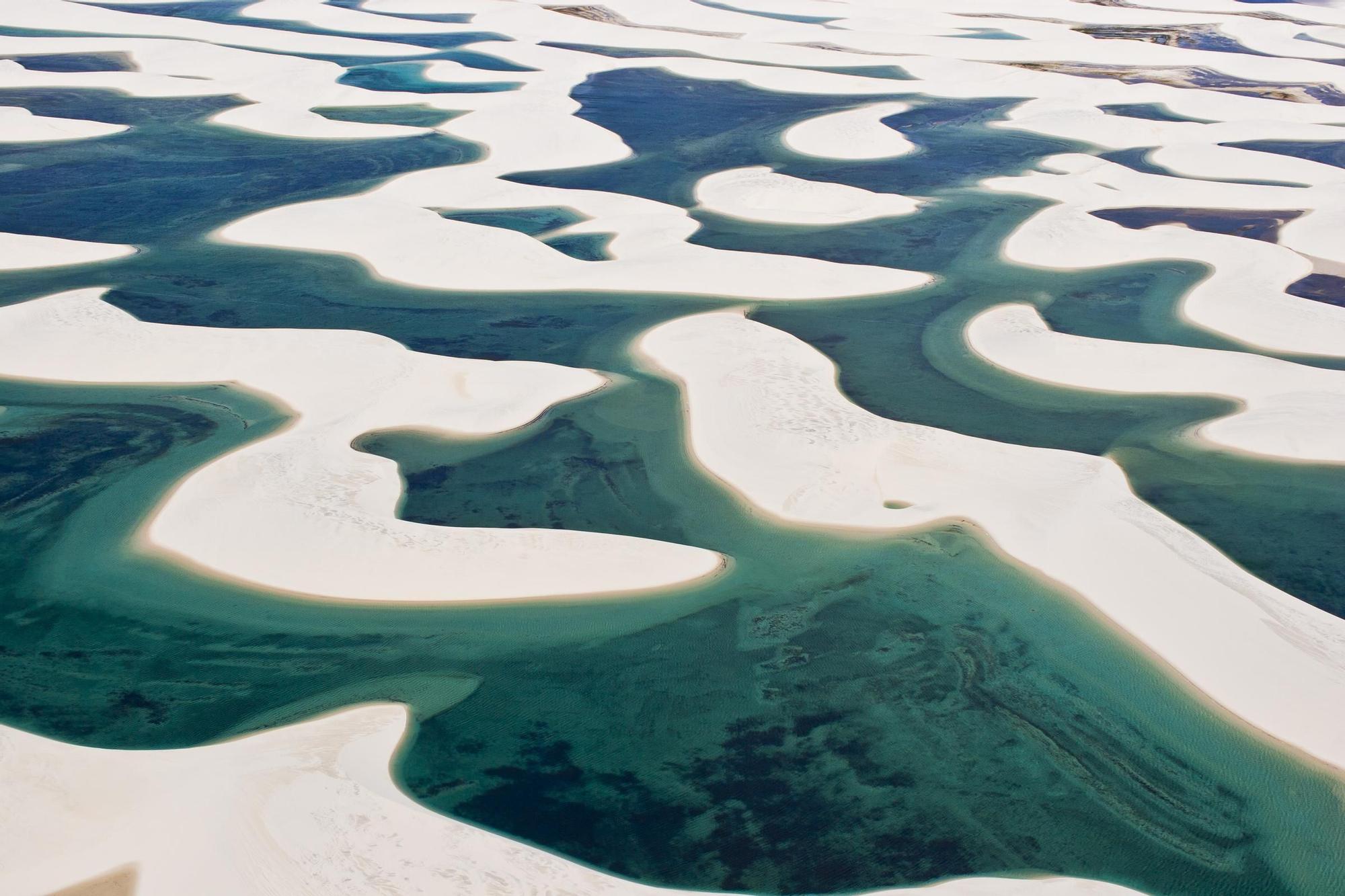
On the east coast of Maranhão, in a transition area between three Brazilian biomes (Cerrado, Caatinga, and Amazon), lies this park, with more than half of its area occupied by a field of white coastal dunes with temporary and permanent lagoons. The park possesses aesthetic, geological, and geomorphological values beyond its significant role in biodiversity conservation. It extends for 80 kilometers, with beaches followed by plains. It is the largest expanse of stable and mobile dunes and the largest in South America.
Flow Country (United Kingdom and Northern Ireland)

It is considered the most prominent example of an active accumulation peatland landscape, located in the Highland region. The ecosystem has been accumulating for the last 9,000 years and offers a variety of habitats with a distinctive combination of birds and a remarkable diversity of features not found anywhere else on land. It is a key resource for research and education.
Vjetrenica Cave, Ravno (Bosnia and Herzegovina)
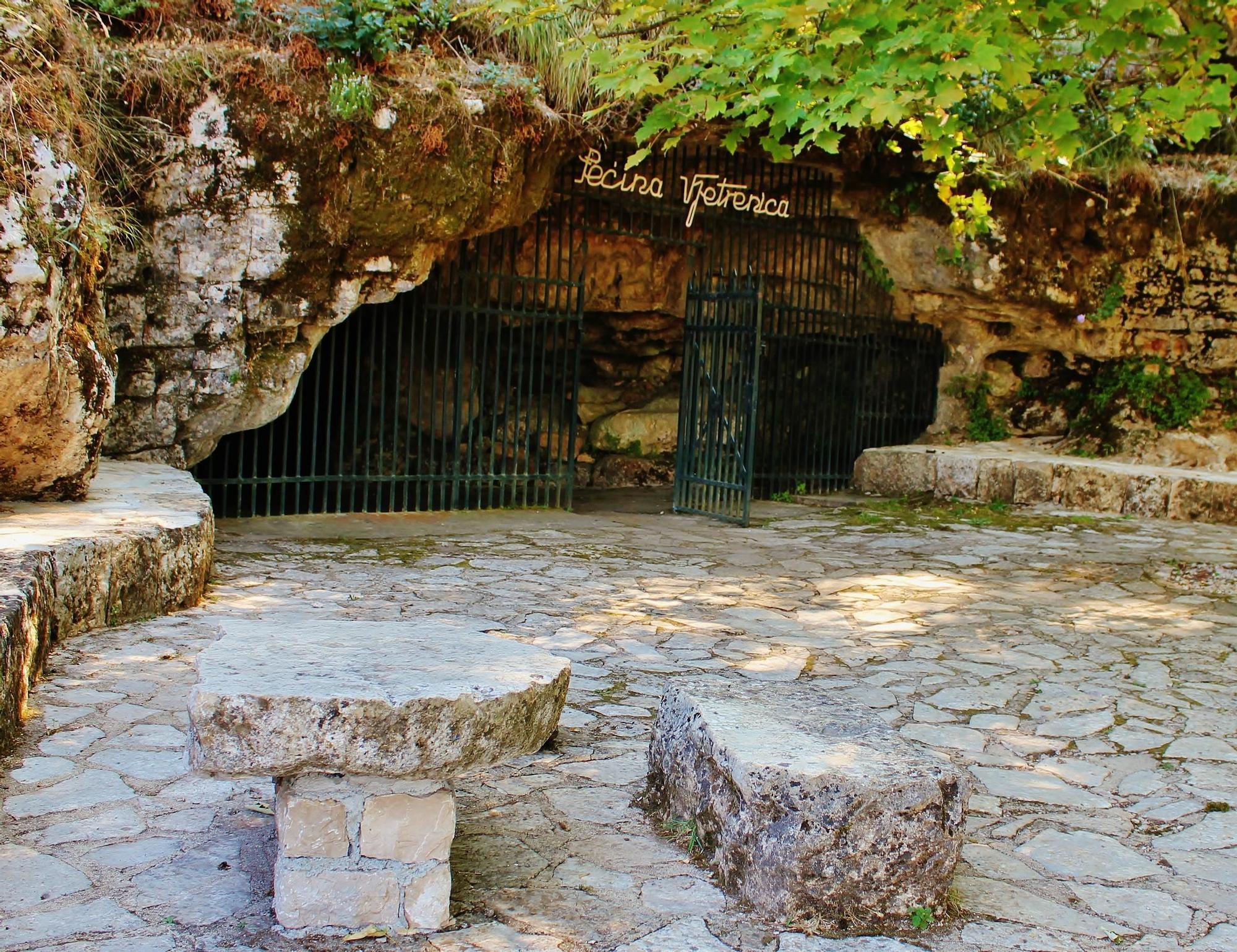
It is a well-preserved representation of karst topography as one of the world's most important biodiversity hotspots for cave-dwelling fauna, above and below ground aquatic. It is home to the world's only subterranean tube worm and a variety of endemic plant species from the Balkans. The cave itself also hosts relict tertiary and pre-tertiary species, so they can be considered living fossils.
Significant Modifications in Boundaries
Moravian Church Settlements (Denmark, Germany, England, United States)
These settlements are a transnational extension of Christiansfeld, another settlement of the same Danish Moravian Church inscribed on the World Heritage List. It includes three municipalities founded in the 18th century: Herrnhut in Germany, Bethlehem in the United States, and Gracehill in England. Each of these places has its own architectural character based on the ideals of this church and adapted to local conditions. Together, they represent the transnational connection and coherence of the international Moravian community.
Migratory Bird Sanctuaries along the Yellow Sea Coast and Bohai Gulf in China (Phase II)
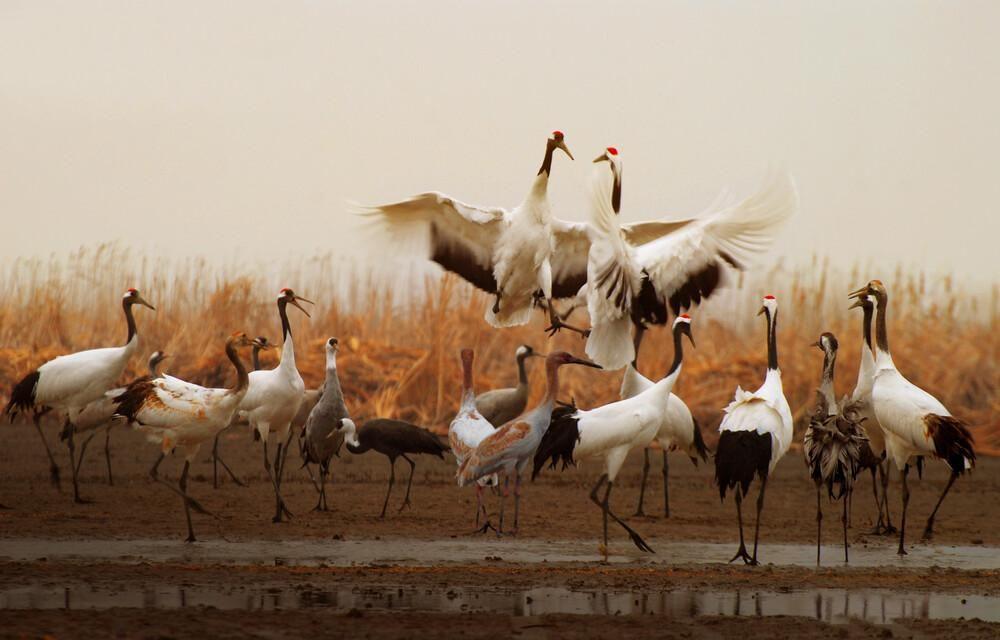
These sanctuaries are a serial extension of the site of the same name already inscribed on the World Heritage List. Being part of the largest intertidal wetland system in the world and situated within the Yellow Sea Eco-region, it is crucial for migratory birds on the East Asia-Australasia flyway, spanning about 25 countries. The wetlands serve an ecological function, acting as an indispensable stop for millions of waterbirds.
Mixed Properties
Te Henua Enata - The Marquesas Islands (France)

The South Pacific Ocean is home to this testimony of territorial occupation of the Marquesas archipelago by a human civilization that arrived by sea around the year 1000 A.D., as well as a very important biodiversity hotspot, combining irreplaceable and well-preserved marine and terrestrial ecosystems. These landscapes are unparalleled in their tropical latitudes, with sharp crests, impressive peaks, and cliffs that rise abruptly above the ocean.
It is home to diverse and unusual flora, iconic marine species, and one of the most diverse collections of seabirds in the area. Its waters are also virtually free from human exploitation and are among the last pristine marine areas in the world. This site also includes archaeological sites (lithic structures, engravings, and monuments).