
Basic Survival: How to Survive If You Get Lost in the Mountains


An adventure can turn out badly if we are not prepared for it, just ask Christopher McCandless, the protagonist of the iconic movie "Into the Wild," who decided to leave his urban comfort zone and head into the wild lands of the Midwest United States to fulfill his wish: to survive alone in nature.
He traversed landscapes like the Mojave Mountains, the Anza Borrego Desert, Alaska, Denali National Park... until his lack of resources and survival knowledge led to his poisoning by berries he ate in an abandoned bus he used as shelter near the Teklanika River. All this makes us ponder whether the outcome for Christopher McCandless would have been the same had he known all the tricks to survive lost in the mountains.
Survival in the Mountains

Getting lost to find oneself in nature is a perfect plan if we know how; otherwise, we are doomed to a fatal outcome, such as literally freezing in the middle of the mountains.
For the authors of this book, one of the most common causes of death in the mountains is hypothermia, which occurs when the body loses heat faster than it can produce it. Staying calm will account for eighty percent of survival, carrying the appropriate equipment will contribute ten percent to the chances of living, and having survival knowledge will mean another ten percent for survival. We reveal the keys to complete survival in this extreme situation:
1. Don't Panic
It is very important to inform someone about where we are going before starting the hike and adventure in the mountains. This will make it easier for rescue teams to find us, who will work during daylight hours if it involves an adult, and around the clock if it involves a child.
2. Signal for Help

One of the most typical and well-known keys to surviving any situation when lost, regardless of the place, is to signal using a fire or a signaling device. If using fire, the best method is to create three fires in a triangle and light them from the highest point possible.
3. Don't Move Too Much

It is important not to move much from the place where we got disoriented, as rescue teams will be tracking our steps and any change in direction will cause delays and difficulties in the rescue.
4. If a Part of Your Body Freezes...
Before warming up any frozen part of your body, the first thing is to get to a safe place. Trying to keep the area protected and dry will be key to survival. If we try to warm up frozen feet, they will hurt and we won't be able to walk.
5. Find Shelter and Stay Warm and Dry

It is better to find a shelter than to build one, as expending energy and body heat will make us sweat and lose calories. If we find ourselves in a snow-covered area, we should dig a hole in it and cover it with leaves and branches once we've crawled inside. This will serve as a refuge and protection against the wind. It's better to do this in areas with trees and vegetation, as doing it in valley areas will mean more wind and freezing air.
How to Equip Yourself
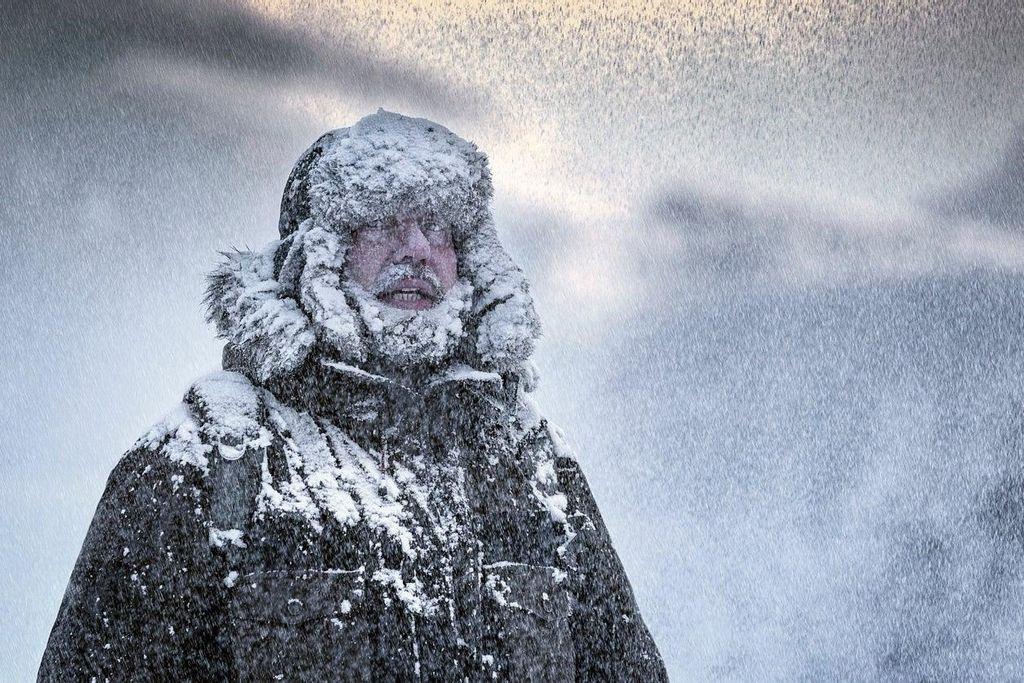
Dressing properly will be key to surviving in the mountains. Using different layers when getting dressed will determine our survival.
1st Layer: use a long-sleeved polypropylene shirt, which will act as thermal insulation.
2nd Layer: use a garment that wraps and keeps warm, such as the lining of a parka.
3rd Layer: choose a waterproof anorak to shield against moisture.
The Basic Survival Kit

Carrying a survival kit, and knowing how to use it, is a must for survival.
- A heat source: carrying several boxes of matches, a lighter, or some solid fuel trioxane tablets are several critical heat sources for survival.
- Warmth: Carry a silver and gold thermal blanket. It will be the silver color that provides us warmth.
- Signaling device: a flare, a small mirror, or a whistle will help us signal for help.
- Food: carbohydrates are essential to keep the body energized and warm. Snacks or granola bars could help us.