
Beaches You Won't Be Able to Visit Due to the Portuguese Man O' War
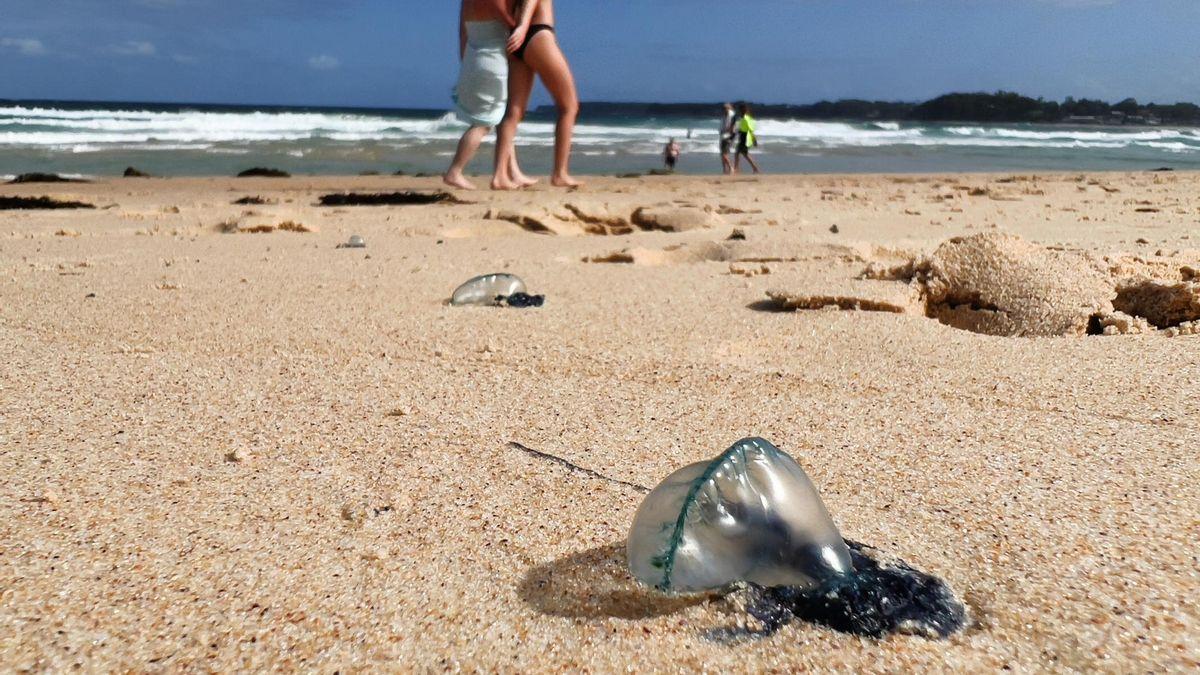
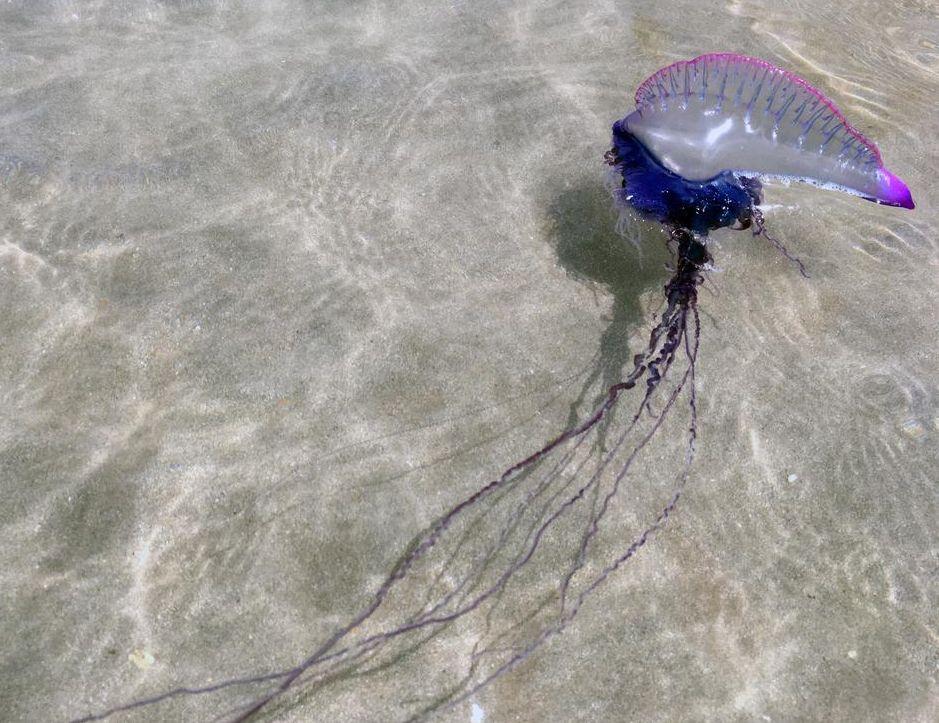
Portuguese man o' wars have arrived on the Spanish coasts, causing the closure of several beaches during a heatwave. In addition to extreme pain, the stings from these 'false jellyfish' can cause nausea, vomiting, dizziness, fever, and in extreme cases, can lead to difficulty breathing, tachycardia, hypotension, and fainting. Swimmers may experience cramps due to the venom, as it generates a sensation of electric shock. This muscular pain can impede body movement, potentially causing drowning for the person affected by the sting of the Portuguese man o' war.
Although it may seem so, the Portuguese man o' war is not a jellyfish; it is a group of four organisms, each with a function. One of these organisms is the tentacles, which serve a defensive function. They are equipped with nematocysts, which are stinging cells that release potent venom to capture prey and defend against predators. They can grow to 50 meters in length, while the upper part is usually around 30 centimeters. For this reason, it is important to maintain a great distance to avoid being reached by the tentacles, even though the upper part is small and the tentacles may not be visible underwater.
This species from the Physaliidae family has reached Spanish beaches, which had to close due to the animal's danger. Here are the affected locations:
Basque Country
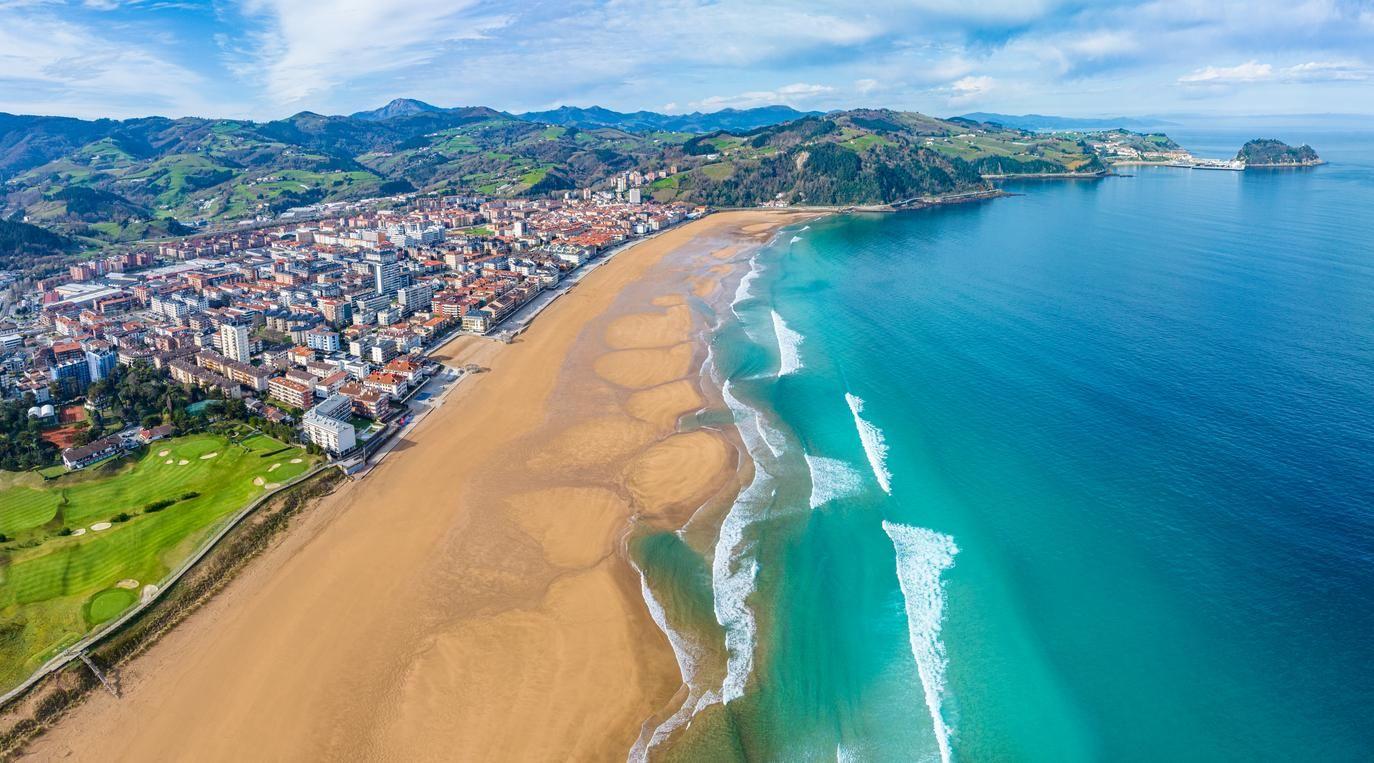
In northern Spain, various beaches have been closed, some of which are in Bizkaia, such as the beaches of Barinatxe, Atxabiribil, and Arrigunaga. Another affected area is Gipuzkoa, where the Zurriola and Ondarreta beaches have had to close.
Cantabria
La Concha beach is one of the most beautiful in the country, although the popular beach has closed due to the presence of Portuguese man o' wars.
Asturias

The beaches of Asturias are not the main tourist destination in the autonomous community; however, it is important to mention that the beaches of Barru, La Isla, La Griega, and Lastres are closed due to the appearance of the 'false jellyfish'.
Galicia
The beaches most affected by the Portuguese man o' war that have had to raise the red flag are near Lugo. The beaches include: Praia de Torno, Praia de Cubelas, Praia de Esteiro, Ribadeo, and A Marosa.
Catalonia
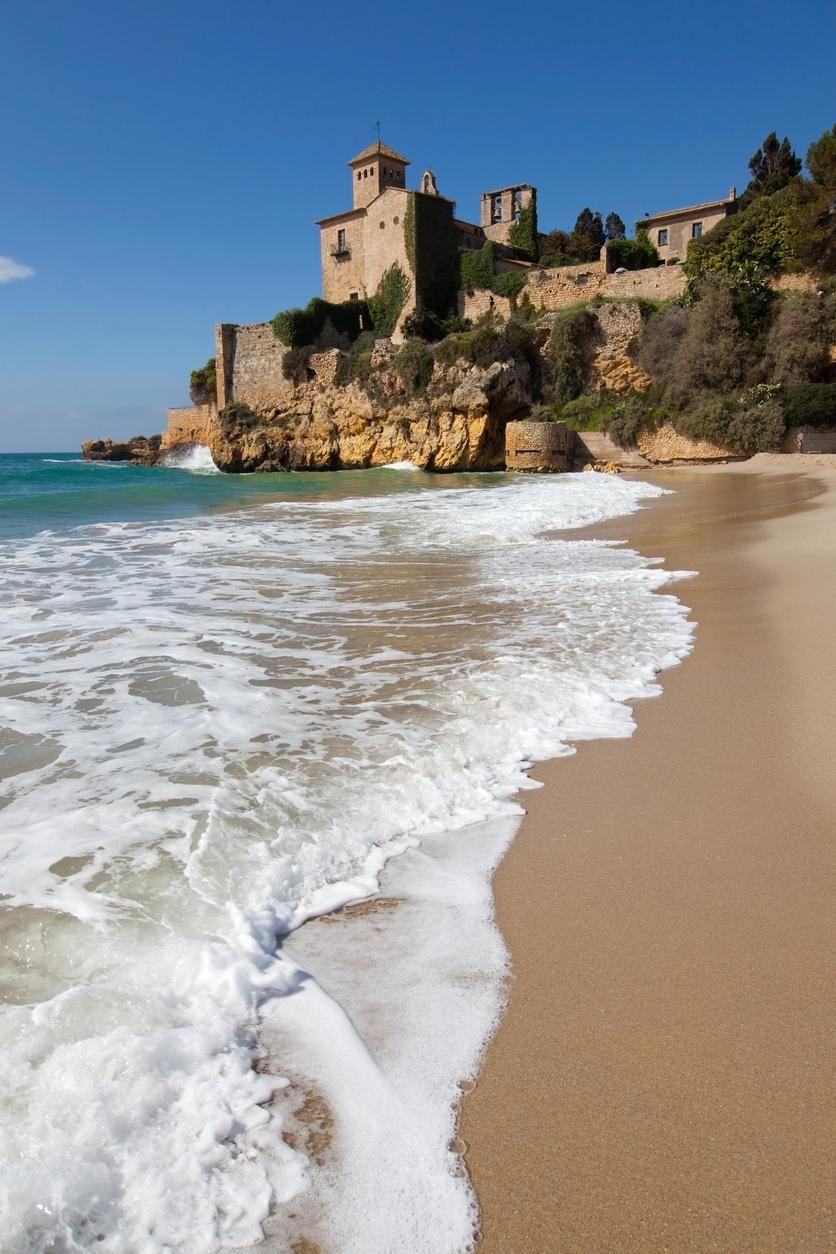
The beaches affected by the Portuguese man o' war are located in Tarragona. The beaches that have closed include those along the coastline of Altafulla and Tamarit, among which is the spectacular Cala Jovera.
What to do if you are stung by a Portuguese man o' war?
The first thing to do after being stung by a Portuguese man o' war is to get out of the water to avoid further contact with the tentacles. You should not rub the affected area, as this may release more venom. The area should be washed with saltwater instead of fresh water, and it is essential to remove any remaining tentacles with tweezers or a similar object. Seek medical attention immediately, especially if experiencing severe symptoms such as difficulty breathing, chest pain, or an allergic reaction.