



Not knowing the law does not exempt you from complying with it. And that's precisely what has made many British tourists extremely concerned about the upcoming summer vacations. The Spanish beaches are one of the main attractions that bring thousands of tourists from the UK to our country every year to enjoy the weather, beaches, cuisine, and the diverse cultural and leisure offerings.
We grab our swimsuit, flip-flops, towel, and head to Benidorm. Last year, the city welcomed 2,766,366 travelers, of which 832,115 were British nationals. However, both the 7-hour rule and others we will discuss can create a conflict of interest with certain types of tourists.
On one hand, we already know about the eternal struggle against empty chairs on the beaches of Benidorm. Every year, during July and August, many news broadcasts open with images of eager vacationers rushing to the beach to leave their umbrellas and reserve their little piece of paradise. In many cases, once the goal is accomplished (which is to secure a front-row spot), many leave and take hours to return, causing discontent among the rest of the beachgoers. Every year, it's the same problem, and the City Council always appeals to responsibility, while it is the Local Police that ends up acting in case of conflict and imposing the foreseen fines.
On the other hand, in the years following the pandemic, walking on the beach between midnight and 7 AM was prohibited. This rule, known as the 7-hour rule among the British, makes many reconsider new destinations where such limitations do not exist. This measure was implemented 'for safety reasons' due to the use of machinery for cleaning. And although walking on the beach at night does not seem to be sanctioned at present, sleeping or camping is.
Can I be fined for playing ball?

All those planning to visit Benidorm should be aware of the sanctionable actions, and watch out, as some may be surprising. Below, we show the actions classified as minor sanctions:
- Conducting activities such as ball games, paddle sports, or other exercises in bathing areas that may disturb other beach users
- Using sound devices or musical instruments that cause disturbances to other beach and cove users due to their volume.
- Improper use of foot-washing water as well as washing in the sea or on beaches and coves using soap or any other body hygiene product.
- The presence of animals on the beaches and coves without legally established requirements for their ownership and circulation.
- Physiological evacuation in the sea or on the beaches and coves.
- Non-sedentary sales as well as any other economic activity, distribution of advertising, massages, photography, etc., unless specifically regulated by norms governing another type of sanction.
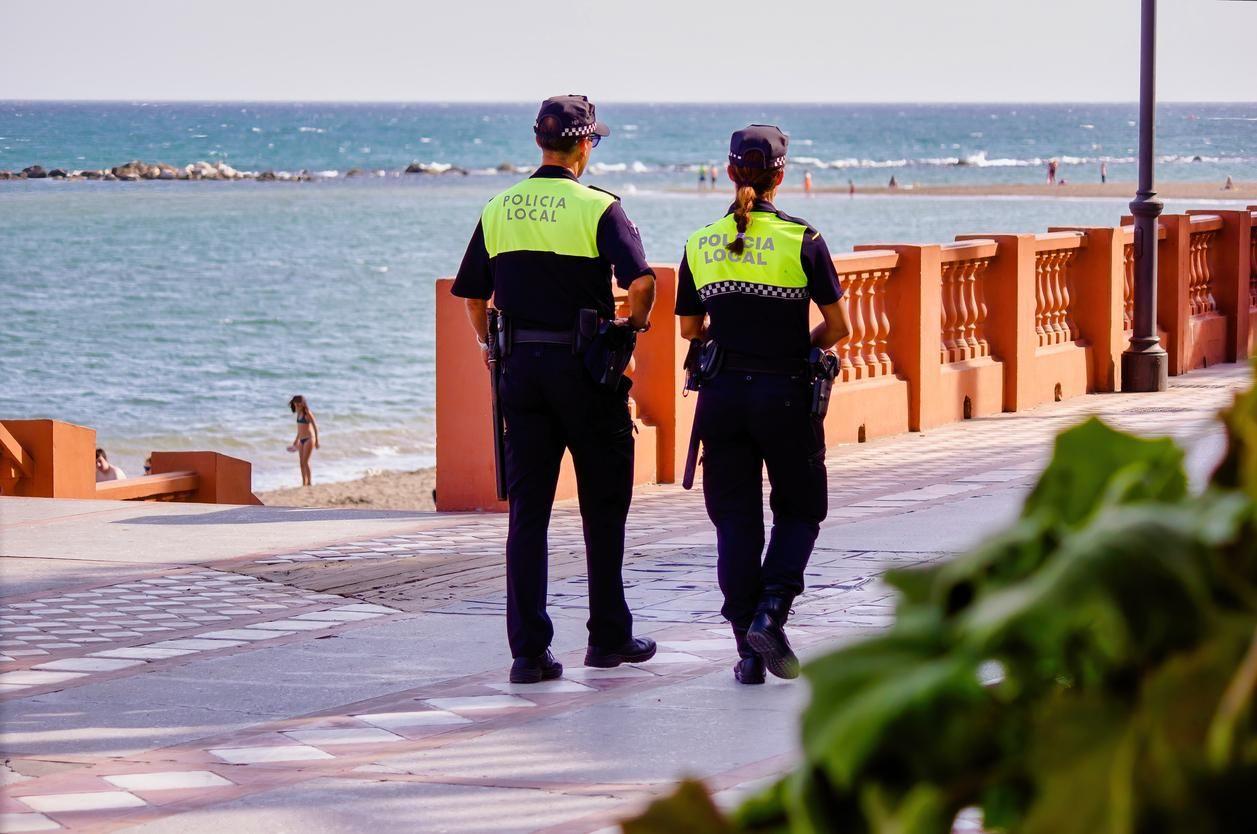
Things are getting serious, and these are the actions that incur severe penalties with fines ranging from 751 to 1500 euros.
- Swimming when the red flag is raised.
- Making fires on beaches and coves, as well as using barbecues, gas cylinders, or other fire-making utensils without the corresponding authorization.
- Fishing in unauthorized areas, using underwater guns or spears, or any fishing instruments that may pose a risk to the health and safety of individuals due to their proximity.
- Throwing, abandoning, or depositing glass containers on beaches and coves.
- Practicing surfing, windsurfing, kitesurfing, and other similar sports while violating established rules in Ordinances or any other sectorial norms.
- Deliberately obstructing the functions of the public lifeguard service.
- Resisting providing information or supplying false, inaccurate, incomplete, or misleading information or documentation, implicitly or explicitly, or failing to cooperate with the municipal administration or its agents.
And we reach very serious infractions, which carry financial penalties from 1501 to 3000 euros.
- The discharge and disposal of substances that may cause pollution and risk of accidents.
- Carrying out any occupation with fixed or movable installations without authorization.
- The circulation of unauthorized vessels within buoyed areas.
- Causing any type of negative impact on coastal and marine flora and fauna. Those that are carried out consciously and deliberately, as long as significant damage occurs. The repeated non-compliance with specific requests made by the municipal administration.
In short, Spain is always open to any traveler who respects the rules and wants to enjoy everything that the country has to offer. Therefore, in Benidorm, to avoid an exodus of British tourists who are unclear about both the 7-hour rule and other prohibitions, informational panels indicating what visitors can and cannot do are set up ahead of the summer season.