
Best Things to Do:
Cascais, a Hidden Tourist Gem
Art, glory, and freedom may wither, but nature always remains beautiful. Magical palaces surrounded by greenery that can transport us to the past; a delicious cuisine featuring fresh fish and seafood; breathtaking landscapes and cliffs; ideal beaches for all kinds of water sports: surfing, sailing, windsurfing, bodyboarding, kitesurfing...; beautiful sandy shores where you can swim and sunbathe or centuries-old lighthouses make up a large part of the tourist and natural attraction of one of the most visited spots in Portugal. Discover Cascais!
Cheerful, young, and vibrant, this small fishing town located on the northern coast of Lisbon has maintained the glamorous charm of its past while adapting to modern times, becoming today a cosmopolitan, carefree destination with a wide range of leisure, cultural, and sports offerings.
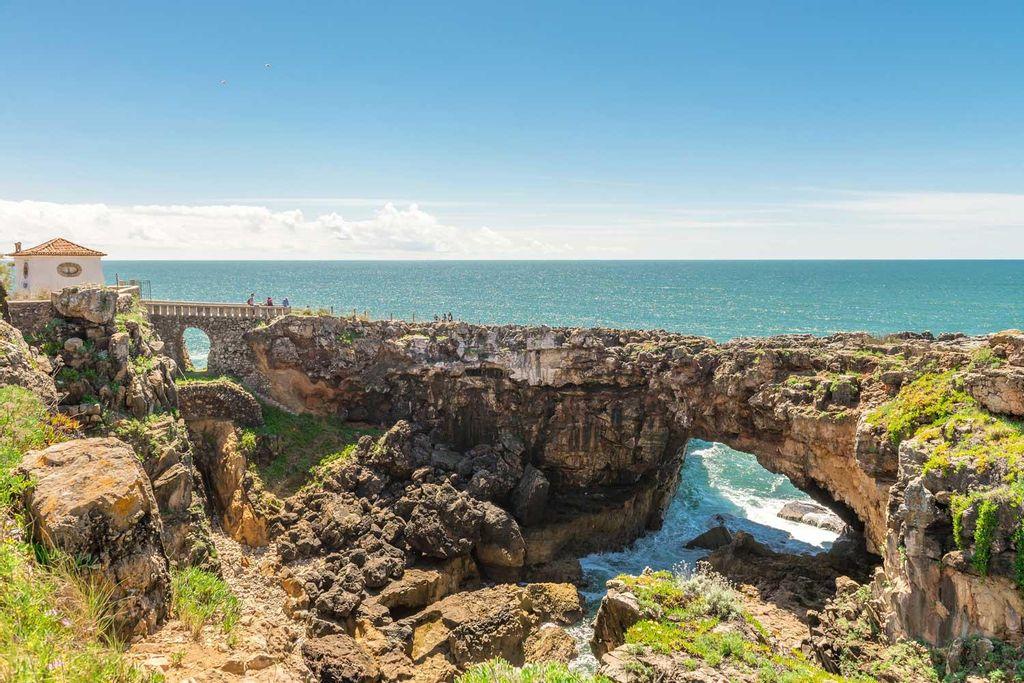
However, not everyone knows that this popular vacation destination - known as the Portuguese Riviera - hides within its cliffs a very unique rock formation that also has its own legend. The Boca do Inferno, or Mouth of Hell, which attracts thousands of curious visitors each year, is a natural grotto that the waves have carved over thousands of years.
The legend tells that a sorcerer fell in love with the most beautiful maiden in the kingdom. Jealous and afraid of losing her, he locked her in a tower at a castle so no one could see her. One day, the young guard watching over the tower decided to set her free. As they were about to escape on horseback, the sorcerer conjured a storm that caused the rocks to open up and swallow them. Since then, the place has been called the Mouth of Hell.
How to Get to Cascais
If we only want to visit the center of this Portuguese town, the best way to get there is by public transport, especially by train. However, if we want to visit some of the points of interest around, like the mouth of the Tagus River, Guincho Beach, or the Sintra-Cascais Natural Park, driving is the most comfortable option.
It is a scenic and pleasant route, always accompanied by the sea and beaches of the Estoril coast. During the trip, we can stop at the various forts that are still preserved and open to the public.
Cabo da Roca
From the viewpoint at Cabo da Roca, we can enjoy a spectacular view. Located about 18 km from Sintra and around 40 km from Lisbon, it is a must-stop for those who want to get close to nature and learn more about the westernmost point of Europe.
Often, the wind is very strong in the area, so one must be prepared if they wish to enjoy these cliffs that rise more than 140 meters above sea level.
Sintra-Cascais Natural Park
Designated a UNESCO World Heritage Site, the Sintra-Cascais Natural Park is one of the most important natural enclaves in Portugal, where flora and fauna harmony converge. Its dunes, lagoons, beaches, and forests attract thousands of curious visitors each year.
It is no surprise that notable writers of 19th-century fantasy novels like Lord Byron and Mary Shelley chose to stay temporarily in this place.