


A medieval village is an enchanted place, filled with corners where one can almost feel the ancient battles, the most furtive romances, or the most treacherous diseases. It is a fairytale place, where the houses have remained almost intact for hundreds of years, made of stone and always surrounded by beautiful countryside that makes it even more attractive.
For Europe, the medieval period is a key time in its history. Between the 5th and 10th centuries, some of the continent's most significant events took place, from the disintegration of great empires to major conquests. It can be said that Europe was fully formed during the Middle Ages, a time when common ways of thinking and doing emerged across much of the territory.
Thus, there are many villages from that time that find so many similarities among themselves - while being so different at the same time. This is similar to almost any European cathedral from that period. They all hold unimaginable treasures from the past intertwined with the present and constitute truly beautiful villages. It is difficult to select one, as in Spain alone we have hundreds of beautiful medieval villages.
The most beautiful medieval village in the world is in England

From the magazine VIAJAR, we wanted to highlight one that could very well be the most beautiful medieval village in the world: Castle Combe, in England. Located in the heart of the countryside, specifically in Wiltshire county, this small village of about 350 inhabitants is considered the most beautiful in the entire country. Those landscapes offer the traveler a unique experience in a place where time seems to stand still.
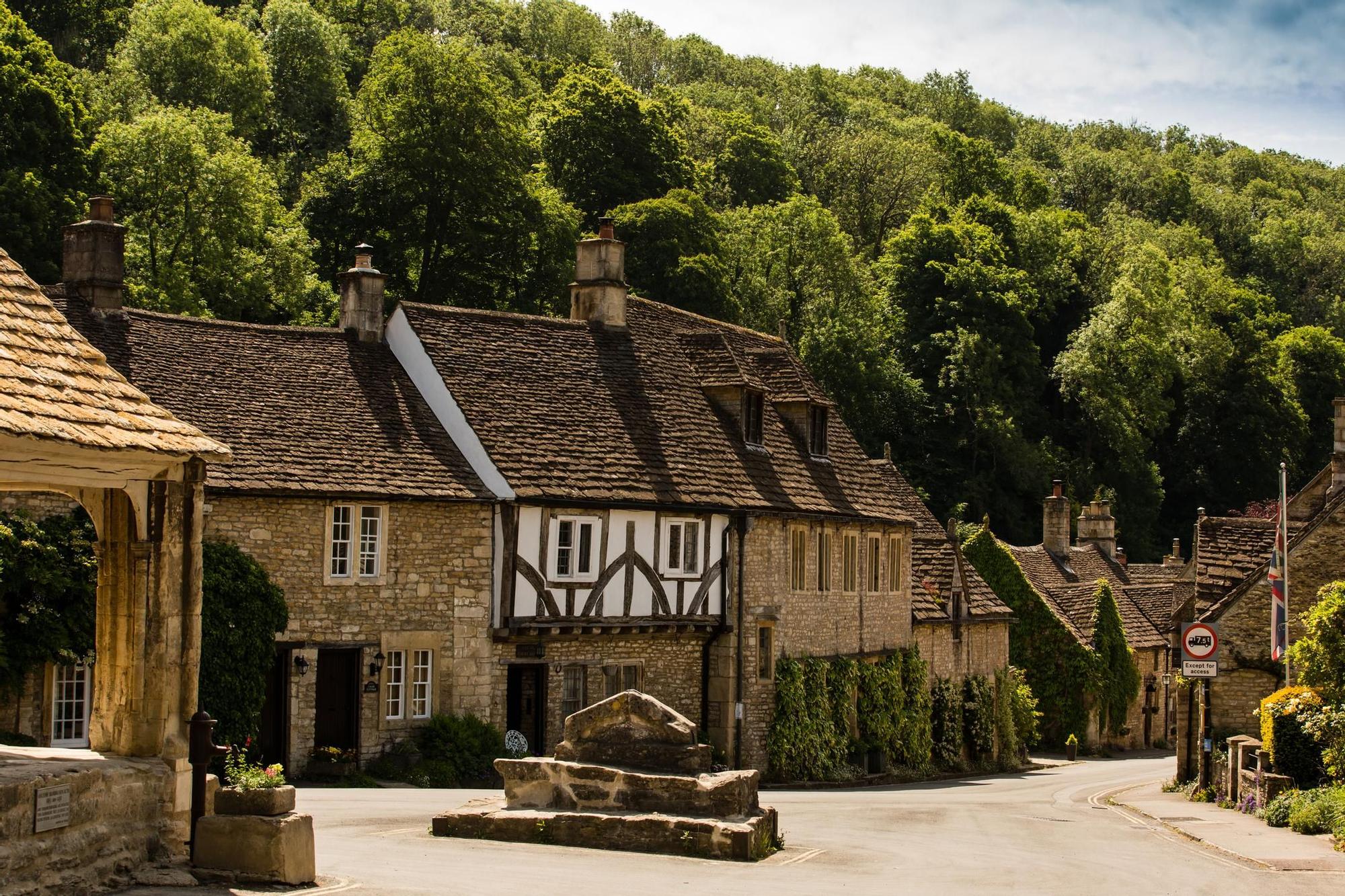
Far from any trace of modern life, Castle Combe magically appears among gentle hills that evoke a fairy tale landscape. Along the main street, the small stone houses serve as accommodations. In those that function as lodgings, one can sense the hospitality and kindness of the neighbors, who often leave gifts for guests such as homemade jams.
In spring, the hills rise with an almost fluorescent green color, while in winter, they are completely covered in snow to offer a truly Christmas-like postcard. Few streets make up Castle Combe, and there's not much more to do than walk them, but it is enough to enjoy this wonderful destination that everyone should visit at least once in their life.
What you should not miss in Castle Combe
Even so, there are places you should not miss on a getaway to the village, such as the local pub The White Hart, which has been standing since the 14th century, almost as long as the village itself. Moreover, hidden in one of the lovely cottages is the Bybrook restaurant, located in the luxurious Manor House hotel, which boasts a Michelin star, offering an exceptional place to enjoy the local cuisine.
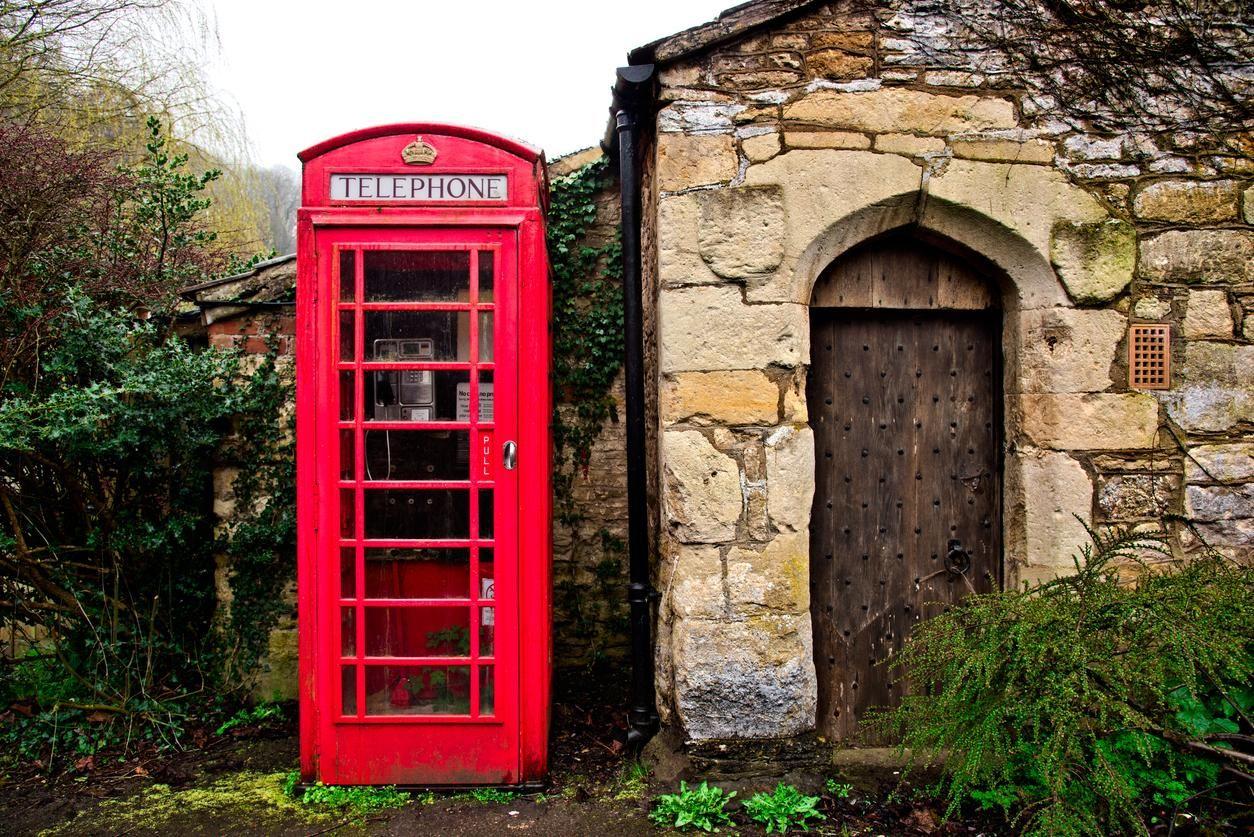
The medieval church of St. Andrew, the Market Cross, and the traditional tea room The Old Rectory Tea Room are other points of interest in Castle Combe; as well as the iconic red telephone booth that, although it has disappeared in many places across the country, remains intact here. Another symbol of the residents' commitment to the tradition and history of their beautiful and tiny village in the Cotswolds.