
- 1. In the Style of Berlin: 10 Factories in Spain Transformed into Cultural Spaces
- 2. 1. Tabakalera (San Sebastián)
- 3. 2. Tabacalera (Madrid)
- 4. 3. Matadero (Madrid)
- 5. 4. Ephimera (Madrid)
- 6. 5. CaixaForum (Barcelona)
- 7. 6. Central Cornellà (Barcelona)
- 8. 7. Ca l'Aranyó (Barcelona)
- 9. 8. La Cartuja (Sevilla)
- 10. 9. Lonja del Barranco (Sevilla)
- 11. 10. Cruzcampo Brewery
In the Style of Berlin: 10 Factories in Spain Transformed into Cultural Spaces

Numerous factories across Spain have survived through the years thanks to restoration projects. The industrial footprints of cities are being transformed today into cultural centers, event spaces, or even food markets, while preserving their original essence. Here, discover 10 Spanish buildings that have transitioned from the frenzy of a factory to the tranquility of a cultural space:
1. Tabakalera (San Sebastián)
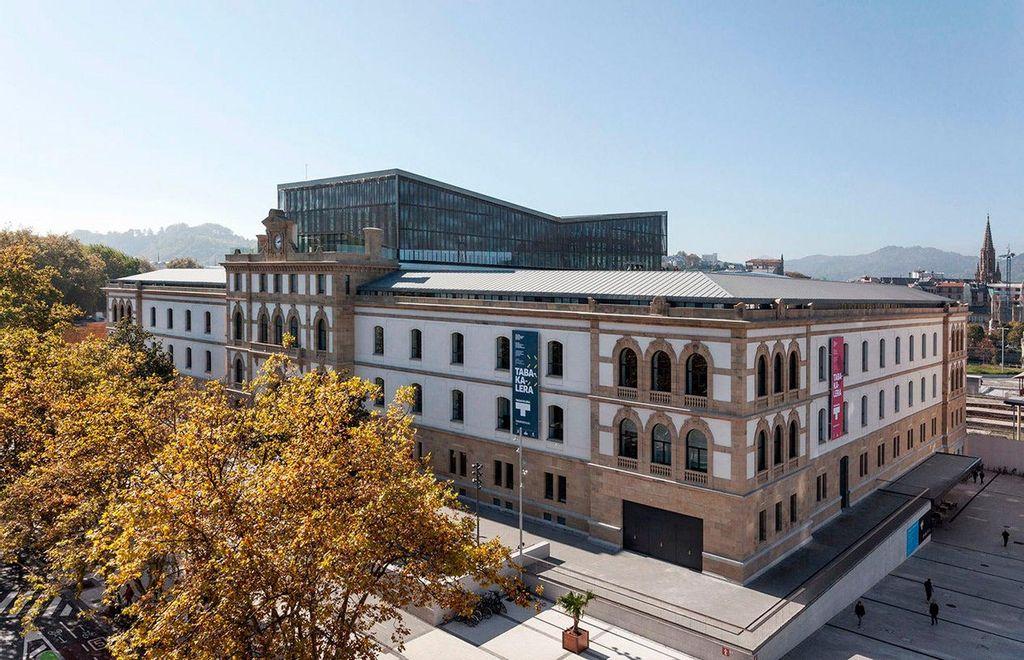
After 90 years as a tobacco factory, in 2015, Tabakalera reopened its doors transformed into an International Center for Contemporary Culture that hosts various cultural projects and institutions. The aim is to contribute to the creative and critical capacity of Basque society, with a program of leisure, exhibitions, film, gastronomy, music, and design.
2. Tabacalera (Madrid)

The Old Tobacco Factory of Madrid was built between 1780 and 1792 and was used as such until the late 20th century. Today, it has been converted into the National Center for Visual Arts. Tabacalera Promoción del Arte develops a permanent program of temporary exhibitions and activities around photography, contemporary art, and visual arts.
3. Matadero (Madrid)
The Matadero in Madrid is a contemporary creation center that was established in 2006, located in the old slaughterhouse and livestock market of the city. It is a site of great heritage and architectural value. Matadero serves as a research and production space for artistic practices that promotes citizen involvement in cultural production and is divided into Cineteca Madrid and Las Naves del Español.
4. Ephimera (Madrid)
Espacio Ephimera is a former 20th-century glass factory that has been transformed into an event space. It combines elements of the original building with the innovation of current design. The upper floor features two meeting rooms and a lobby with large windows that allow natural light in, while the ground floor is divided into three rooms, allowing for different zones in the same event.
5. CaixaForum (Barcelona)

CaixaForum Barcelona is located in the former Casaramona textile factory, designed by Josep Puig i Cadafalch, which operated until the 1920s. Furthermore, it is one of the most notable examples of early 20th-century Catalan industrial modernist architecture. The building was reopened in 2002 and has become one of the city's key cultural spaces.
6. Central Cornellà (Barcelona)
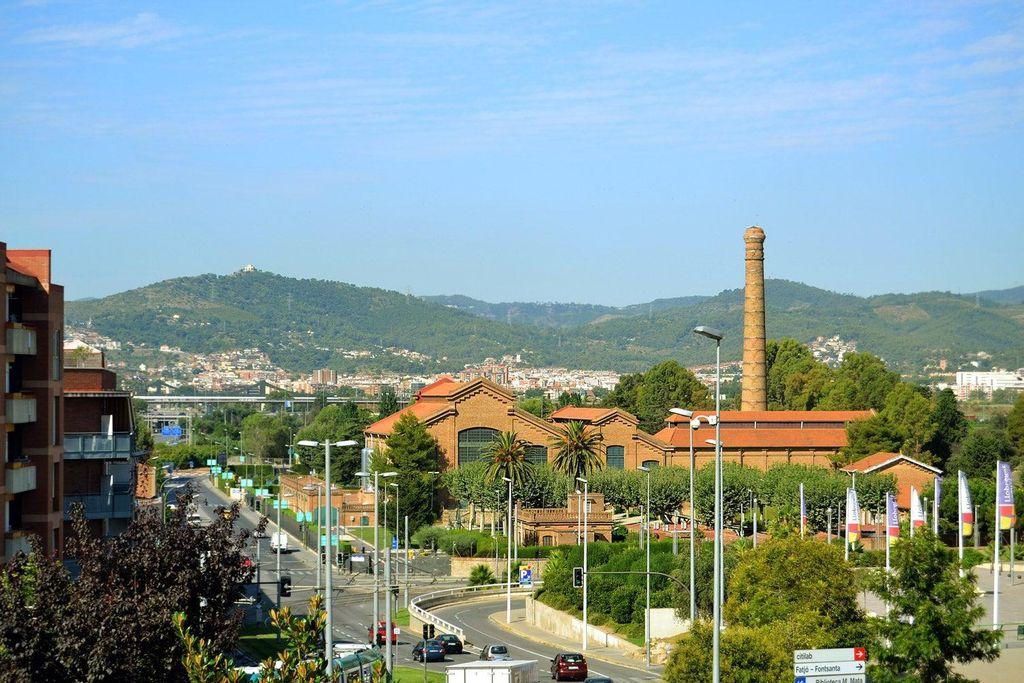
In 1909, a water intake and pumping station was constructed in Cornellà de Llobregat, and while today the architectural complex still serves this function, it is also the Agbar Museum of Water. It is a cultural center that aims to raise awareness among the residents of Cornellà about the importance of water in today's society. As such, art, film, and music exhibitions can be viewed.
7. Ca l'Aranyó (Barcelona)
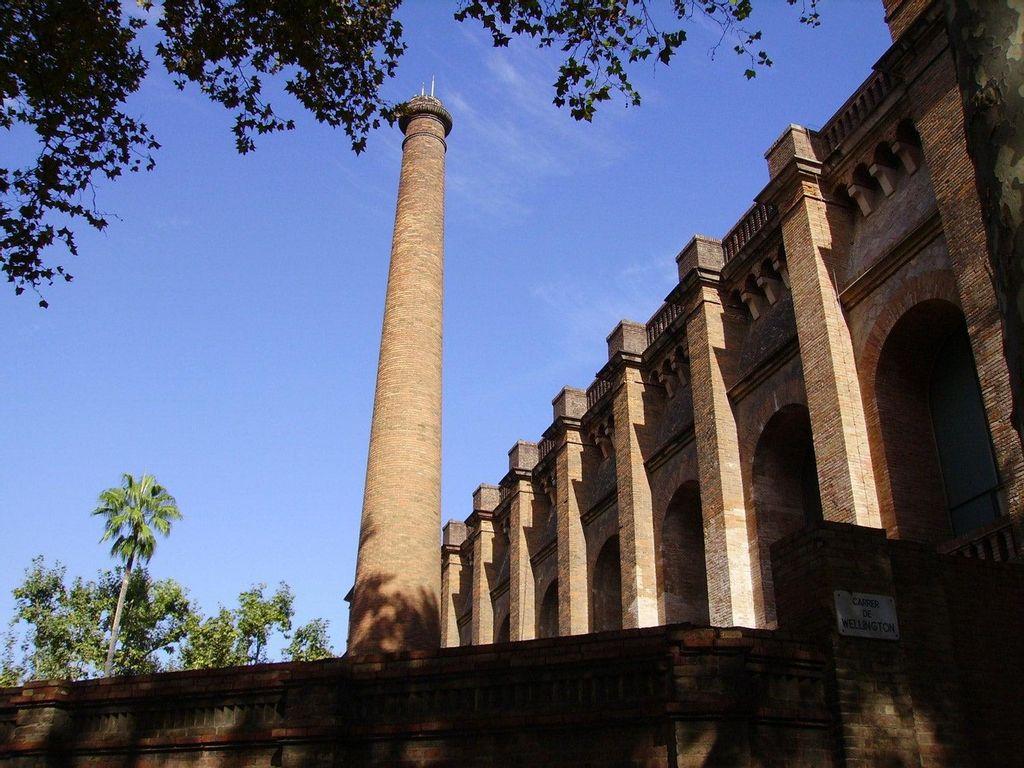
From the late 19th century for over a hundred years, Ca l'Aranyó was one of the most important cotton factories in the Poblenou neighborhood of Barcelona. Today, efforts have been made to merge the past and present as it has been converted into part of the university campus of Pompeu Fabra University, focused on communication, technology, and innovation.
8. La Cartuja (Sevilla)
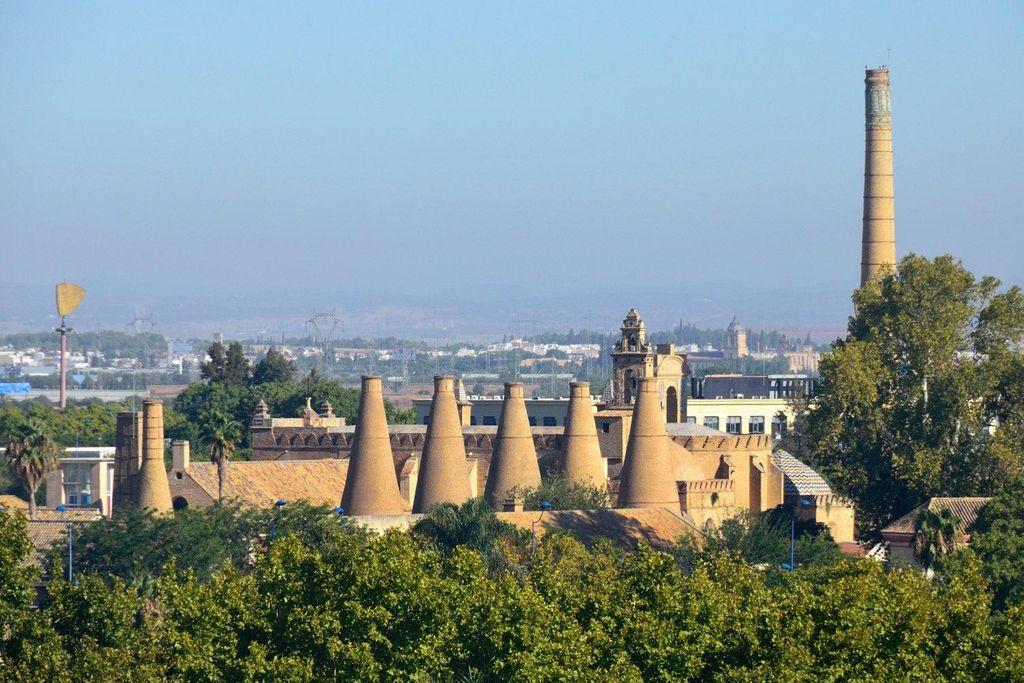
The factory of the La Cartuja monastery brought the Industrial Revolution to Seville. It was a fine-quality porcelain factory built in 1841. Today, since 1997, it has operated as a museum, specifically as the headquarters of the Andalusian Center for Contemporary Art. The center exhibits collections that have survived from the original monumental complex.
9. Lonja del Barranco (Sevilla)

Lonja del Barranco was an old fish market built in 1883. Moreover, it is one of the few examples of iron architecture in the city of Seville. However, since 2014, the building has transformed into a food market with all kinds of specialties. Inside, it features numerous food stalls and a terrace by the Guadalquivir river.
10. Cruzcampo Brewery
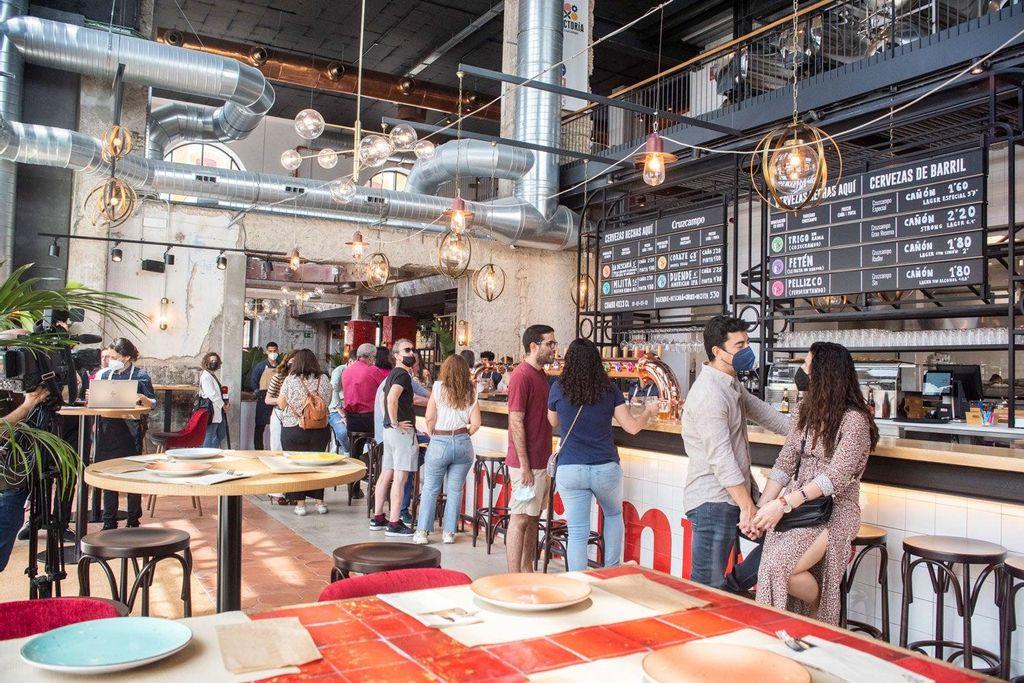
The Nervión neighborhood is in the heart of Seville, between La Alameda and the historic Calle Sierpes, and houses a building that represents something that is also at the heart of many Sevillians: the Cruzcampo brewery, a building where the first beer was brewed in 1904, which housed a large brewing hall in 1936, until 1991. Today, transformed into a high gastronomy school with a social purpose, it has been renovated with interior design by Labmatic Estudio. Its designers, Javier González Pontón and Javier Bootello, explain that "the idea was to peel back the walls, removing partitions and structures that had been created over the years to uncover textures and installations that spoke of its industrial past and served as a romantic, raw, and truthful backdrop. Among all the other elements, the altar of the microbrewery stands out, recreating a space of sophistication and contrast with its raw and seemingly neglected surroundings."