
Best Things to Do:
Discovering why the Mayans aligned their constructions with the stars
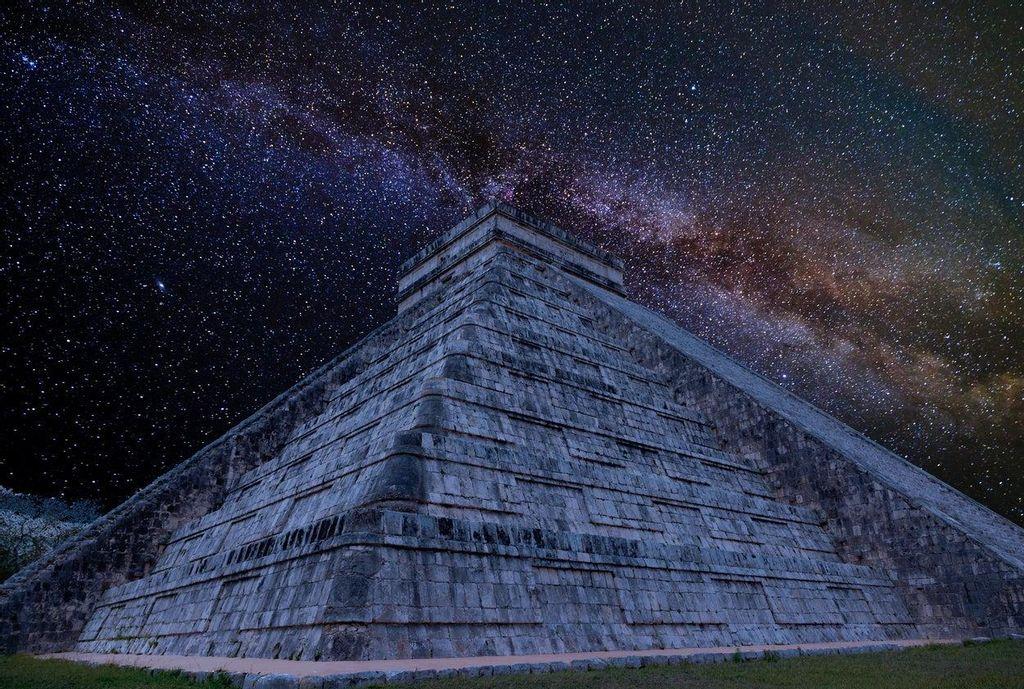

The fact that the Mayan civilizations are shrouded in a veil of mystery is undeniable. It's not surprising... as many of them were abandoned, according to scholars worldwide, for no apparent reason. Archaeologists, historians, and even mystery enthusiasts have been investigating these structures for decades, asking the same question: Why are their civilizations aligned with the stars?
This question seems to finally have an answer. And no... it wasn't due to help from aliens, as various pseudosciences around the globe claim. Also not due to architectural case studies.
Contemporary studies appear to suggest, following extensive analysis of the cities buried under the jungle, that these impressive ceremonial complexes "seem to be oriented toward specific astronomical phenomena". Specifically, because of their connection with the movements of celestial bodies across the sky.
The cosmos as a guide
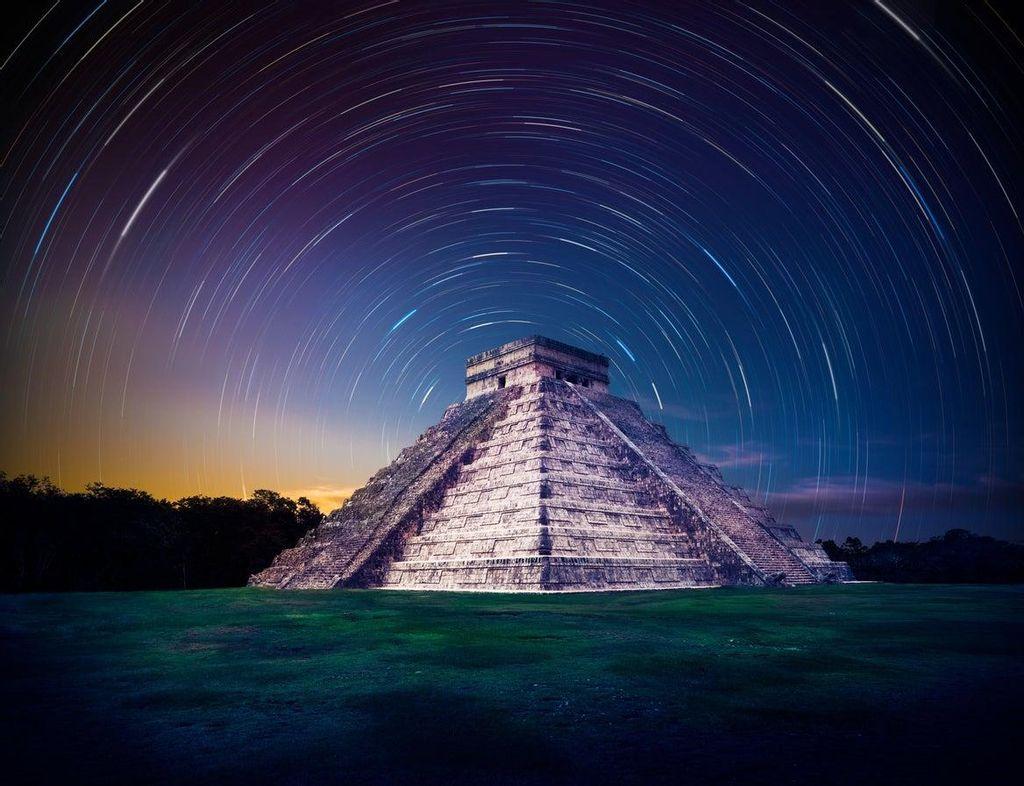
One historian and author of this analysis, Joshua Sokol, claims that "the Mayan community adopted over 3,000 years ago a set of mathematical concepts linked to repetitive patterns associated with celestial bodies". Some indications and studies that influenced the public life of intricate and intertwined civilizations.
The Mayans looked to the sky in order to build their cities, yes. But they did so by observing the movement of celestial bodies across the sky. This movement was measured according to a 260-day calendar that was governed by the trajectory of Venus in the sky.
The author of the study, Sokol, tells the magazine Science (one of the most prestigious scientific journals in the world) that "the 260-day calendar is a motor that continues to turn within what once was a much larger machine of Mayan knowledge". An observation from science that turned into "a vast corpus of written indigenous science that divided the natural world and human existence into cycles of days similar to gears".
Or in other words: for the Mayans, the movement of Venus was a reference for the passage of time. But it wasn't the only celestial body they considered: they also focused on the movements of the Sun, the planets, and of course, the moon.
A gear in a much larger system
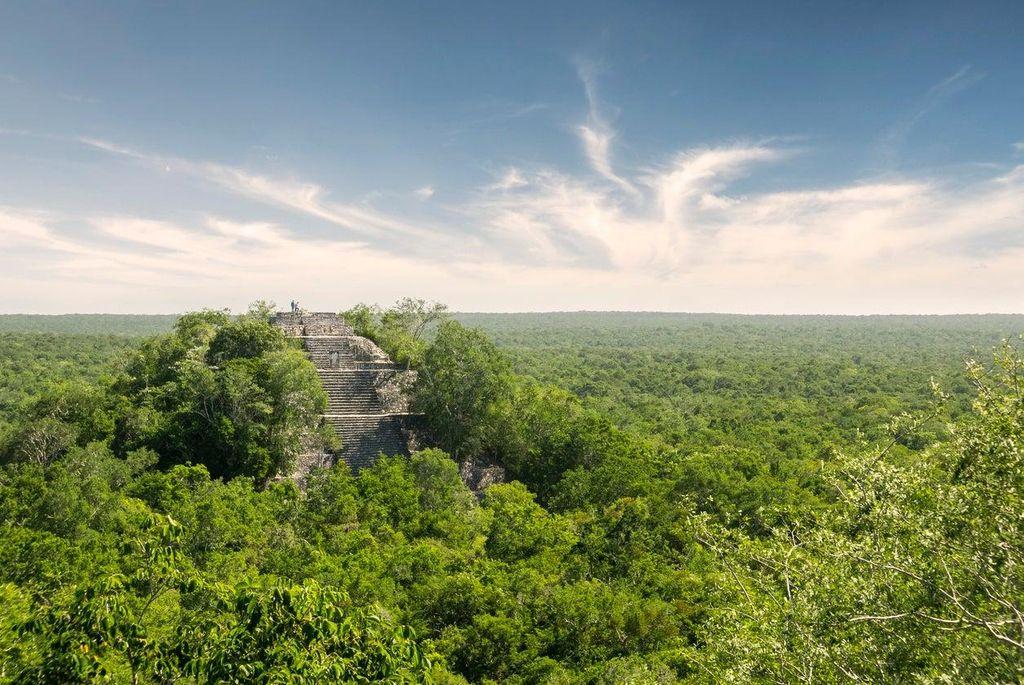
Sokol's study, in collaboration with other historians and astronomers from around the world, reflects that the Mayans would have used the constructions as gears to understand a more complex system than themselves. In other words: they were trying to reflect all the astronomical movements they could see with their own eyes in their buildings.
In fact, these sacred buildings served to record the passage, for example, of the moon. This is how they managed to keep track of and anticipate "the phases of the waxing and waning moon with an accuracy of half a minute," as Sokol details.
This historian does not hesitate to describe these studies as "sophisticated algorithms," which allowed them to know with precision what was happening beyond our planet. This is why their buildings were aligned with specific sunrises and equinoxes, to learn through their architecture the most significant astronomical events.
One of the brightest examples of this astronomical knowledge applied to their architecture is Chichén Itzá, in Yucatán. An orientation and facade designed to follow the trajectory of the Sun during the spring and autumn solstices.