
In these countries, you will find dogs that you have not seen anywhere else

It is said that there is a dog for every person, just as there is one for every region of the world. Like humans, these domesticated animals of wild origin have mixed among themselves, leading to 355 different breeds recognized by the Fédération Cynologique Internationale (FCI), along with all the mixed breeds and lesser-known breeds scattered across the globe. The country of origin for each dog is no coincidence. One fundamental characteristic is the climate.
Currently, there are Siberian Huskies and German Shepherds-typical of cold climates-found in places where summers exceed 40 degrees; as well as Dobermans, Greyhounds, and Chihuahuas-who do not handle the cold well-in areas that turn white in winter. Gradually, these breeds become more accustomed to the temperatures and customs of the places where they live, generating increasing resilience in their descendants. However, there are still dogs that only survive in their countries of origin.
Countries with Unique Dog Breeds
Sahel Region
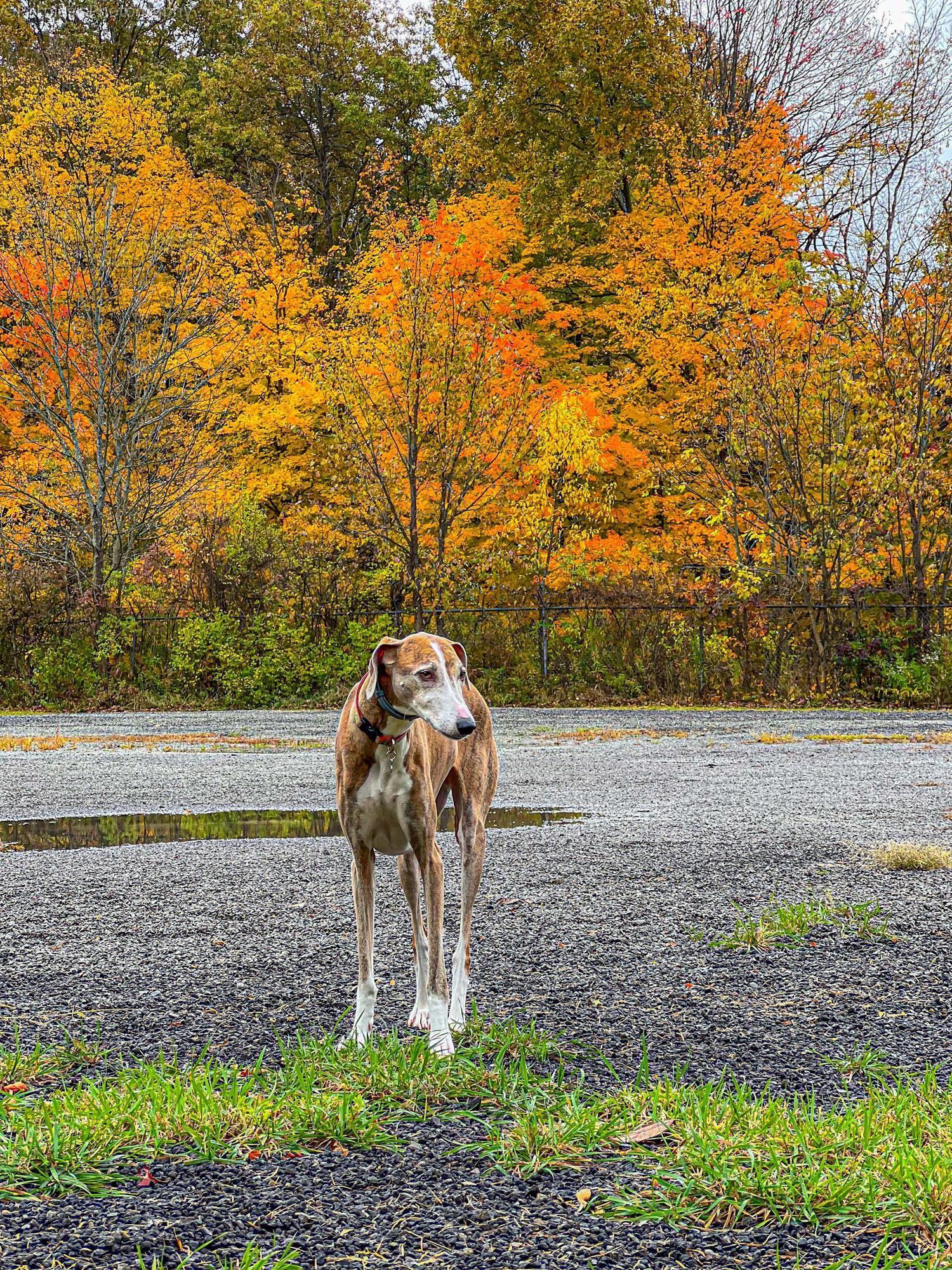
On the shores of the Sahara Desert, a somewhat diffuse territorial strip is outlined. There is no international consensus on which countries belong to the Sahel, but the G5 Sahel can be referenced, where Mali, Niger, Mauritania, Burkina Faso, and Chad participated; although others like Senegal, Sudan, and Ethiopia may be included. It features a semi-arid climate, with scarce rainfall and two well-defined seasons: the long, dry winter and the short, rainy summer.
In this region, there exists a guardian and hunting dog breed: the Azawakh. These dogs have traditionally been used by the nomadic peoples of the area for hunting. Physically, it resembles a Greyhound, slender, elegant, and with a thin build. It also shares character traits, as Azawakh are loyal, attentive, and affectionate with those they know, but distant with strangers. Their hunting instinct is much stronger, and it is not recommended to raise them with other animals.
Norway
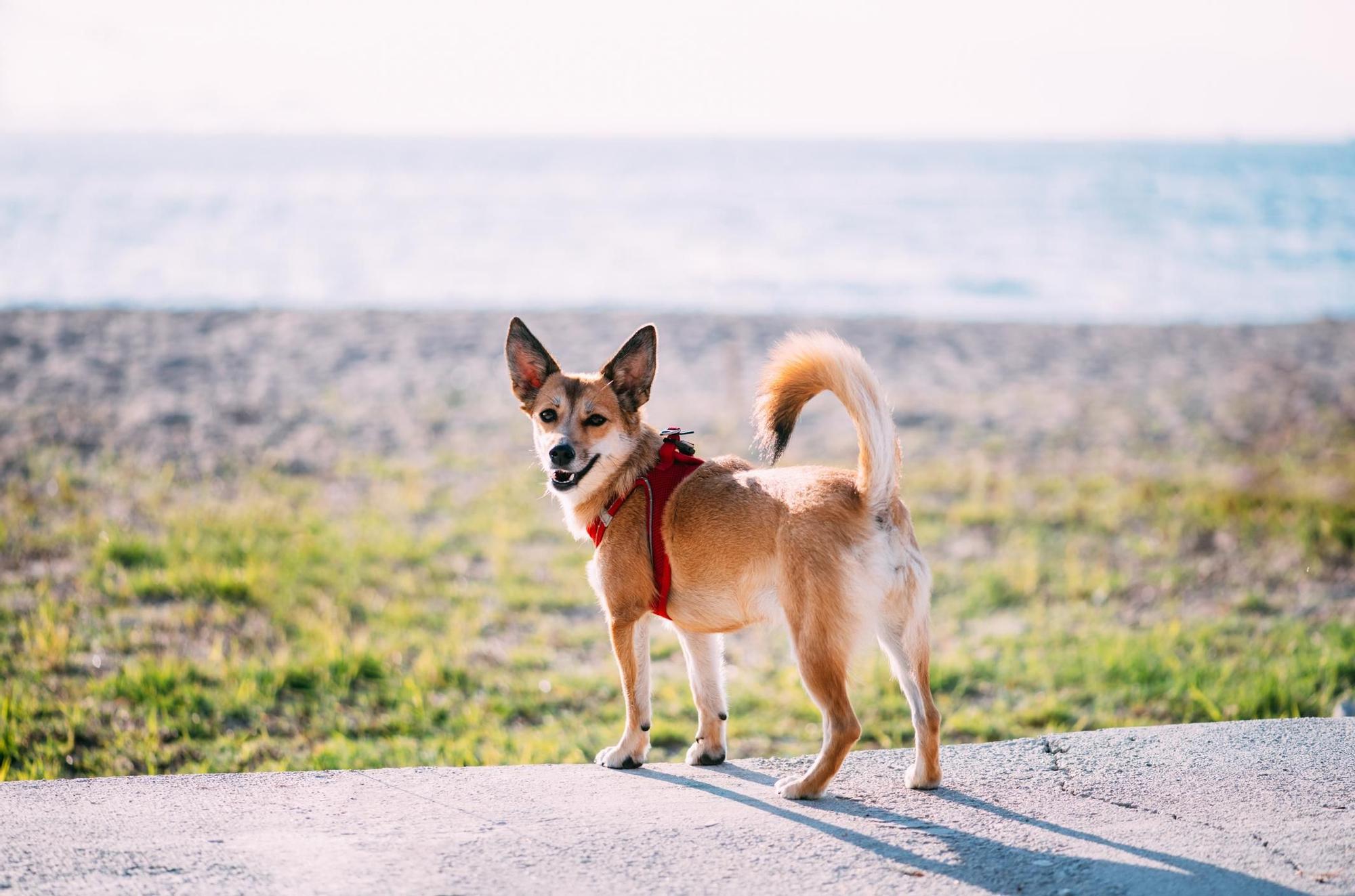
The Nordic country has a very unique dog breed that can only be found there. It is the Norwegian Lundehund, commonly known as the 'puffin dog' because it was used to hunt this type of bird. Although it may seem quite a common dog, it has some distinctive characteristics such as six toes on each paw, providing exceptional grip and agility on rocky terrain.
Another unique feature is its flexibility, which allows it to bend its head back to touch its spine and swim through narrow and treacherous places. Another peculiarity is the absence of one tooth on each side of the jaw, suggesting it is a descendant of the already extinct Varanger. It is known for its independence and loyalty, although also for being reserved with strangers. They also have a strong hunting instinct, so it is advisable to introduce them to other dogs when they are still puppies.
Sicily

There is a dog that takes its name from this Italian island, although its origin is not entirely clear. It is believed that the Cirneco dell'Etna or Sicilian Greyhound comes from Egypt, due to its strong resemblance to the Pharaoh Hound. Additionally, representations of it have been found in mosaics, vases, coins, and statues from ancient Rome. Furthermore, it is assumed that its name, Cirneco, comes from the city of Cyrene. Aristotle mentioned that there were dogs of this type there, which ended up being taken to Sicilian lands.
Farmers began to breed it in their homes, maintaining a pure breed that still retains its natural essence. In its origins, it was used as a hunting dog due to its active and tenacious character, but it soon became a companion animal with a strong, secure, and independent personality. It is also affectionate, loyal, cheerful, and very sociable, loves to play and run, and needs plenty of physical activity throughout the day. It does not tolerate the cold very well, but it thrives in rugged terrain.
Mexico

It is well known that Mexican culture is traditionally linked to the interpretation of death. As could be expected, the most well-known native dog of the country is the Xoloitzcuintli or Mexican Hairless Dog. For the Mayans and Aztecs, it was an unappealing healer that served as an occasional source of food and as a guide to the underworld. This is depicted in the Disney movie 'Coco', where a dog of this breed accompanies the protagonist on his adventure through the Land of the Dead.
It is one of the oldest breeds in America and is believed to have arrived with the first migrants from Asia at least 3,500 years ago. The fact that it has no hair on its dark skin-except for some tufts on its head and tail-and the absence of premolars is due to a genetic mutation. There are representations of these dogs found in burials from between the 4th century BC and the 4th century AD, when they were thought to detect if a person was sick and where the source of pain was. Some still defend these claims.