
The Ultimate Route of Don Quixote de la Mancha
"To see much and read much invigorates the minds of men." Such is the profound statement made by Don Quixote in one of the passages of the most universal book in Spanish literature. The ingenious knight was not mistaken, for traveling was his way of quenching his thirst for experiences. Now that we are in the month of books and our way of traveling is through reading, we remember Cervantes' hero through a journey across the real settings of his masterwork. Here's a roadmap through the Land of Quixote.
Argamasilla de Alba
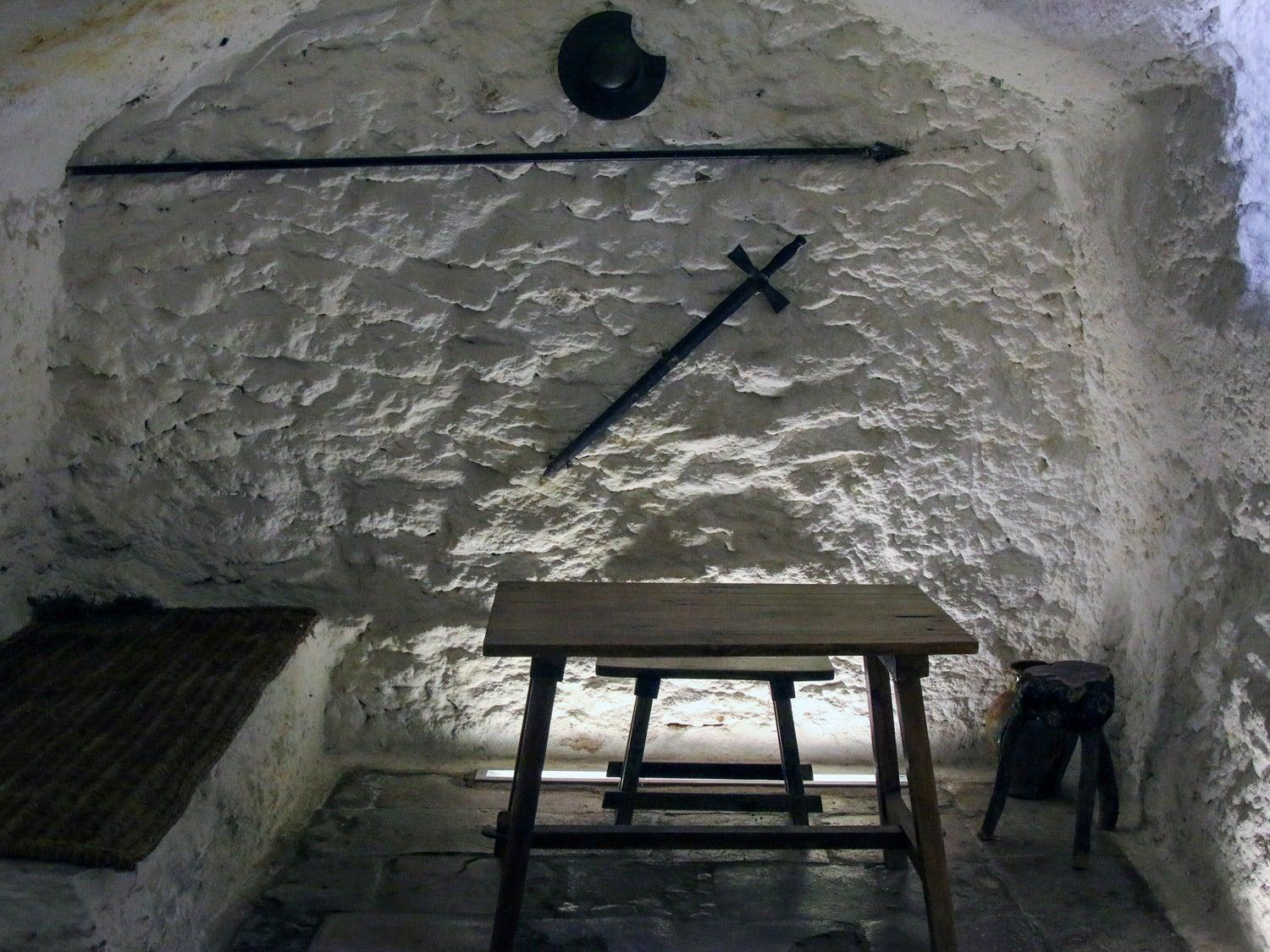
This is the "place in La Mancha," whose name Miguel de Cervantes did not wish to remember. He was imprisoned there and began writing his famous work: it was in the Cave of Medrano where, according to the early commentators of the book and the author's biographers, the first chapters were written. The place bears the unmistakable features of traditional Manchegan architecture and has become a true "secular sanctuary" of our literature from the Golden Age.
Campo de Criptana

How can one forget the setting of one of the most famous battles ever told: that of the giants, namely, the windmills? Campo de Criptana is the place to find these constructions that starred in what may be the most famous adventure of the knight. The image of the mountain range and the Albaicín neighborhood of this Manchegan locality not only form part of the Cervantes literary universe, but they are also a paradigm of Manchegan typicity. There is no better place to admire La Mancha in all its splendor and witness one of the most beautiful sunsets on the planet.
El Toboso

It is, as everyone knows, the homeland of Dulcinea and the place where the love of Don Quixote is idealized. In its streets and squares, we find phrases sculpted on the façades that pay homage to Chapter IX of the second part, in which Don Quixote and Sancho visit El Toboso in search of his beloved. Today, the Dulcinea House Museum (which belonged to Doña Ana Martínez Zarco de Morales, whom Cervantes immortalized as Dulcinea (Sweet Ana)), retains part of its 16th-century structure, along with other references to the work.
Alcázar de San Juan

It is also land of windmills (especially on the Hill of San Antón), but, above all, it is the birthplace of Miguel de Cervantes Saavedra. In the church of Santa María la Mayor, you can see his baptismal record, while one of its margins has the handwritten note "this was the author of the History of Don Quixote," words that were signed by Don Blas Nasarre in 1748. You can also visit the Hidalgo Museum, located in the old palace known as the King's House, which showcases the historical and ethnographic heritage of Castilla-La Mancha.