
The Discovery That Could Eradicate Plastics in the Oceans and the Grave Problem They Pose for the Environment
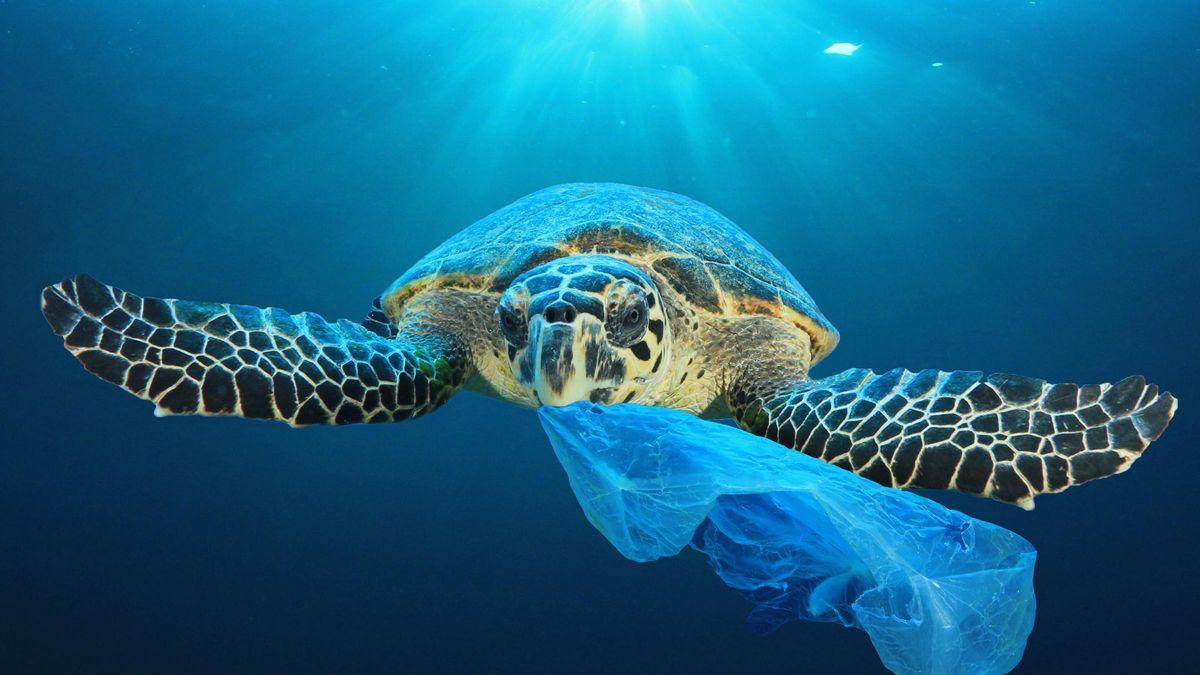
Everything ends up in the sea, including garbage. Ocean pollution is a topic that has moved from observation to tracking, ultimately alarming biologists, naturalists, and politicians across various ideologies. The impact of a polluted ocean reflects more aspects than we think. Let's take a breath first. It affects tourism, fishing, food, human health, animal health, plant health, climate, habitat degradation - breathe again - plastic islands, ocean acidification, and an economic impact that can reach 695 million dollars, and so on.
However, the discovery of a fungus capable of dissolving plastics into CO2 has marked a significant step forward in addressing this problem. Nevertheless, pouring tons of this microorganism into the sea and letting it solve the problem for us is not feasible. Science still has to overcome a major obstacle to achieve this goal.
The Fungus That Promised to Save the World


The discovery of Parengyodontium album, the scientific name of this "plastic-eating" fungus, was not due to its extraordinary ability to eliminate polyethylene compounds. It was detected while analyzing the decomposition of some art pieces in museums, initially identifying it as potentially dangerous.
However, the discovery of this organism near the subtropical Vortex Island in the North Pacific, where there is a significant amount of plastic along its shores, has raised eyebrows.
This was confirmed in a laboratory: the fungus was capable of degrading samples of polystyrene, a polymer found in most plastic objects used in daily life. However, during the study of this new organism, two factors presented issues concerning its application as a "barracuda" of the oceans. In the degradation process, it transforms the polymer into CO2, a gas that is not exactly beneficial for the atmosphere.
But the real major impediment is the need for the Sun, specifically UV rays, to "eat" the plastic. This type of radiation is absorbed 40% in water but only penetrates a meter below the surface. Meanwhile, 70% of plastics are found on the ocean floor.
The Ongoing Search
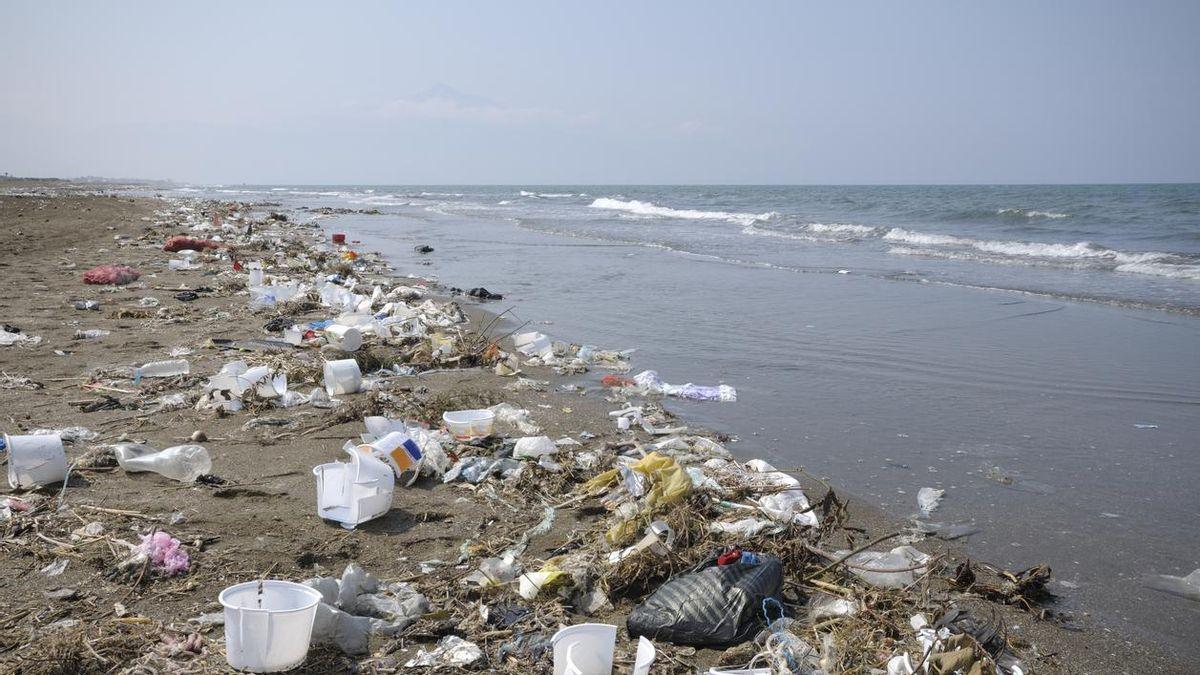
The fact that the fungus cannot serve as a permanent solution is merely a bump in the road, according to researchers. The study of marine fungi is a poorly developed area, and known organisms capable of degrading plastic can be counted on one hand. Moreover, halting this research is not an option.
Data released by the European Parliament leaves no room for doubt. Currently, there are 150 million tons of plastic in the oceans, and this number increases by millions each year. By 2050, at this rate, there will be more plastic than fish in the oceans, according to estimates from the Ellen Macarthur Foundation.
If we do nothing about it, plastics could lead to mass extinction of species and chemical exposure in humans through the food chain. Against this premise, the discovery of Parengyodontium album is seen as good news, which should serve as motivation to continue working on a definitive solution.