
- 1. Flevopolder: The Island with a Guinness World Record
- 2. What to Do in Flevopolder?
- 3. Visit the Capital of Flevoland, Lelystad
- 4. Discover Almere, the Largest and Fastest Growing City on the Island
- 5. Wander Through the Fishing Villages of Urk and Schokland
- 6. Explore Tulipeilan, the Tulip-Shaped Artificial Peninsula (Best in Spring)

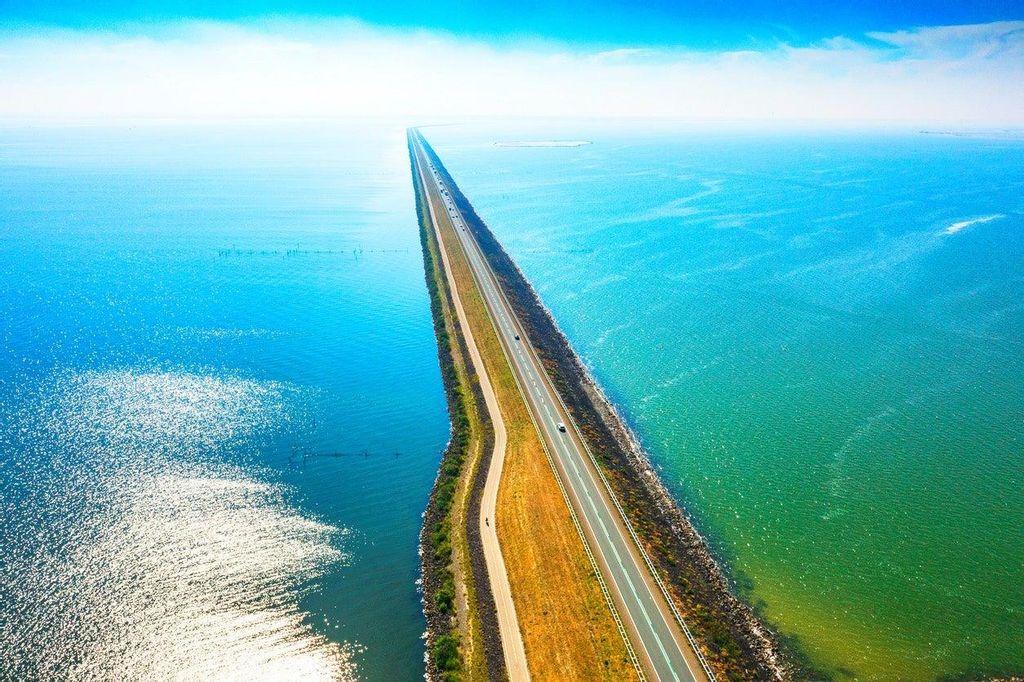
When we think of artificial islands, the first things that come to mind are Dubai or Japan, but we don't have to go that far to find the largest artificial island created by humans. It is located in Europe, specifically in the Netherlands. This small piece of land in the northern part of the continent is literally built on the sea, with one third of its land lying below sea level.
Throughout history, the Dutch have fought to keep the North Sea from flooding the country. As a result, the inhabitants of the garden of Europe have been compelled to develop genuine engineering feats over time, such as the island of Flevopolder, which spans an area of 970 square meters.
Flevopolder: The Island with a Guinness World Record

It is said that "God created the world and the Dutch created the Netherlands," which is why the island holds a Guinness World Record since 1968 for being a massive hydraulic construction. Over time, the sea has been both a great ally and a primary enemy for the Dutch, which is why they have had to constantly develop mega constructions to avoid being flooded by the North Sea. To reclaim land from the water, they created polders. These structures, surrounded by water on all sides in the case of the Netherlands, allow for the draining of land and the gaining of territory from the sea.
The island is connected to the mainland through various bridges, a dike, and a tunnel, the famous Drotermeertunnel, and more than 400,000 people live on it. The name originates from its location over the province of Flevoland and specifically over the former Lake Flevo, which was drained for the construction of the island. The cities of Almere, Lelystad, and Zeewolde, among others, are situated on it. Additionally, its lands, rich in water, are utilized for farming, livestock, and numerous aquatic activities.
What to Do in Flevopolder?
Visit the Capital of Flevoland, Lelystad
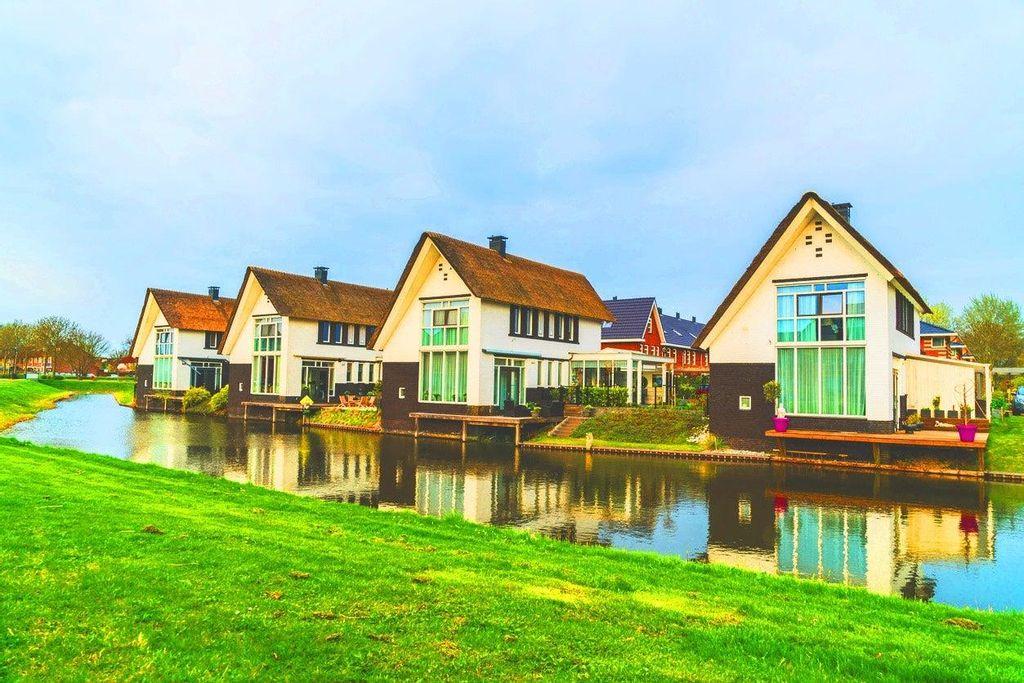
Discover Almere, the Largest and Fastest Growing City on the Island

Wander Through the Fishing Villages of Urk and Schokland

Explore Tulipeilan, the Tulip-Shaped Artificial Peninsula (Best in Spring)
