
- 1. The Flight Crew's Tricks to Deal with Problematic Passengers
- 2. Screening Starts at Check-In
- 3. They Prepare for the Worst
- 4. They Always Try to Avoid a Fight
- 5. They Have a Plan if the Situation Escalates
- 6. Surprise is Their Most Effective Weapon
- 7. The Help of Fellow Travelers
- 8. Knowledge in First Aid
The Flight Crew's Tricks to Deal with Problematic Passengers

A conflict on an airplane is much more dangerous than on solid ground. That's why the crew has special training and a response protocol to reduce risks while we fly around the world. Some tricks:
Screening Starts at Check-In
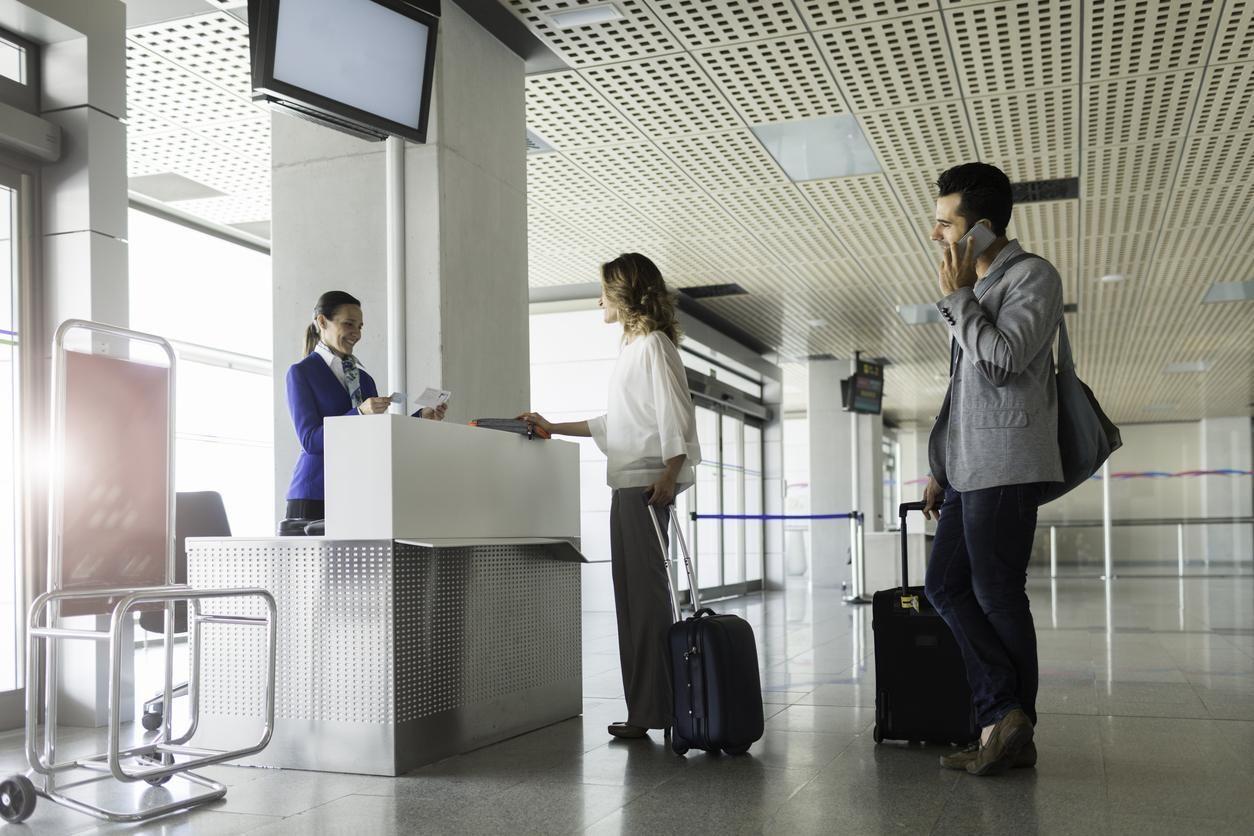
It used to be simpler, as it was common to go to the airline counter for check-in. Now, with online check-in, this first filter is lost. Passengers who may pose a risk to the flight (mainly passengers arriving under the influence of substances) are only detected at the boarding gate.
They Prepare for the Worst
The crew may have training in martial arts to be able to subdue someone in case of violent behaviors. Flight attendants first smile, but when the moment comes, they will know how to ensure the flight's safety in less diplomatic ways.
They Always Try to Avoid a Fight
Despite their possible knowledge of martial arts, the directive is always to avoid conflict and fights. They also anticipate the causes that usually generate problems: mainly alcohol or substance abuse.
They Have a Plan if the Situation Escalates
The only thing that should be flying is the aircraft, but in the event that the situation gets out of control, rest assured that the crew will respond appropriately and take necessary measures to calm tensions.
Surprise is Their Most Effective Weapon
All measures can be a bit cryptic because that's where the potential of the crew's actions lies: in the element of surprise. The first tools they use are verbal persuasion techniques, but when the moment comes, they could also use handcuffs or other techniques to immobilize.
The Help of Fellow Travelers

Empathy from other passengers often plays an important role. Simply the pressure of other passengers against the inappropriate behavior of one can be enough to calm the situation. Passengers usually notice inappropriate behaviors before the crew, such as someone trying to sneak in alcoholic beverages or exhibiting somewhat strange attitudes.
Knowledge in First Aid
If needed, the crew knows how to attend to wounds that may arise from a conflict on the aircraft. They also know how to provide psychological support in case of agitation or nerves in some passengers. In general, the crew has extensive training in these aspects.