
- 1. Gems of the rural world: the 11 new Most Beautiful Villages of Spain
- 2. 1. GARACHICO (TENERIFE)
- 3. 2. AGULO (LA GOMERA)
- 4. 3. RONCAL (NAVARRA)
- 5. 4. BULNES (ASTURIAS)
- 6. 5. CUDILLERO (ASTURIAS)
- 7. 6. GENALGUACIL (MÁLAGA)
- 8. 7. NUEVO BAZTÁN (MADRID)
- 9. 8. VALVERDE DE LA VERA (CÁCERES)
- 10. 9. MOLINASECA (LEÓN)
- 11. 10. BAÑOS DE LA ENCINA (JAÉN)
- 12. 11. BEGET (GIRONA)
Gems of the rural world: the 11 new Most Beautiful Villages of Spain
A few days ago, we presented in TRAVEL a list of the 20 most beautiful villages of 2021 in Spain, selected by the publication's team. Spread from north to south across the Spanish geography, it included Buitrago de Lozoya, in Madrid; Chinchilla de Montearagón, in Castilla-La Mancha; and Robledillo de Gata, in Extremadura.
However, of course, they are not the only beautiful villages in our country. At the recent Fitur fair, the Association of the Most Beautiful Villages in Spain, in the presence of the Minister of Industry, Trade, and Tourism Reyes Maroto, awarded this highly valued designation to 11 new villages, qualifying them as "gems of the rural world."
1. GARACHICO (TENERIFE)
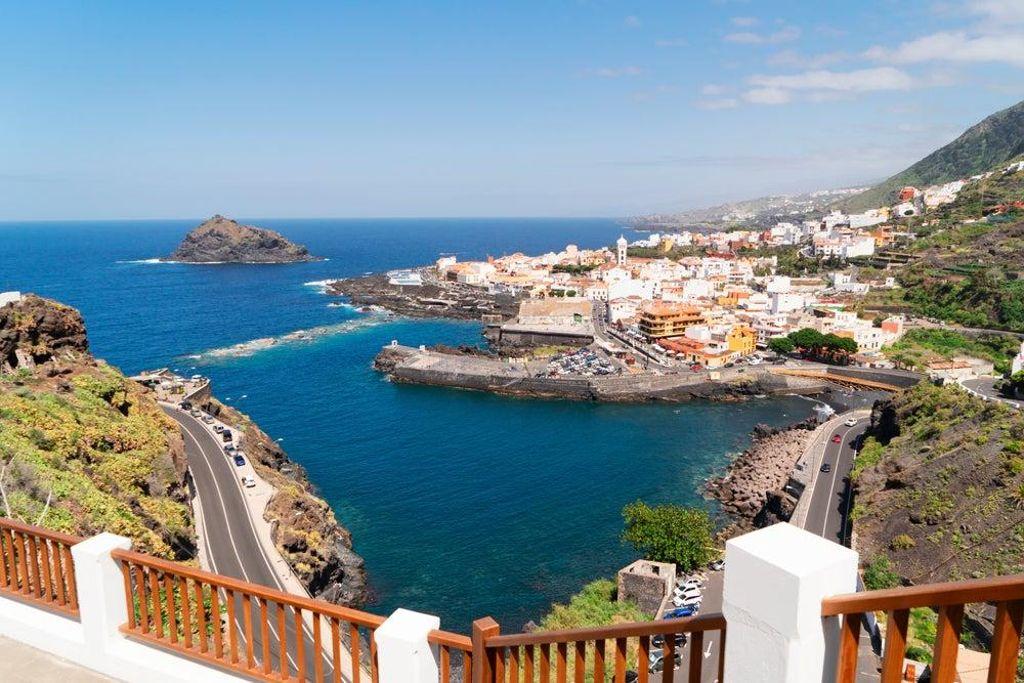
The beautiful town of Garachico is a reflection of how the oldest populations in the Canary Islands were. It was founded in the late 15th century by a Genoese banker, and its port was the first that Tenerife had, serving as a reference point between Europe and the Spanish colonies in America. Its historic center features a rich architectural heritage from the 16th and 17th centuries and is classified as a Bien de Interés Cultural (Asset of Cultural Interest). The town also holds the Gold Medal of Fine Arts for its artistic treasures. The volcanic eruption that destroyed Garachico in 1706 did not end it, and even some historic buildings were saved, such as the Convent of San Francisco and the stone facade of the House of the Counts of La Gomera.
2. AGULO (LA GOMERA)
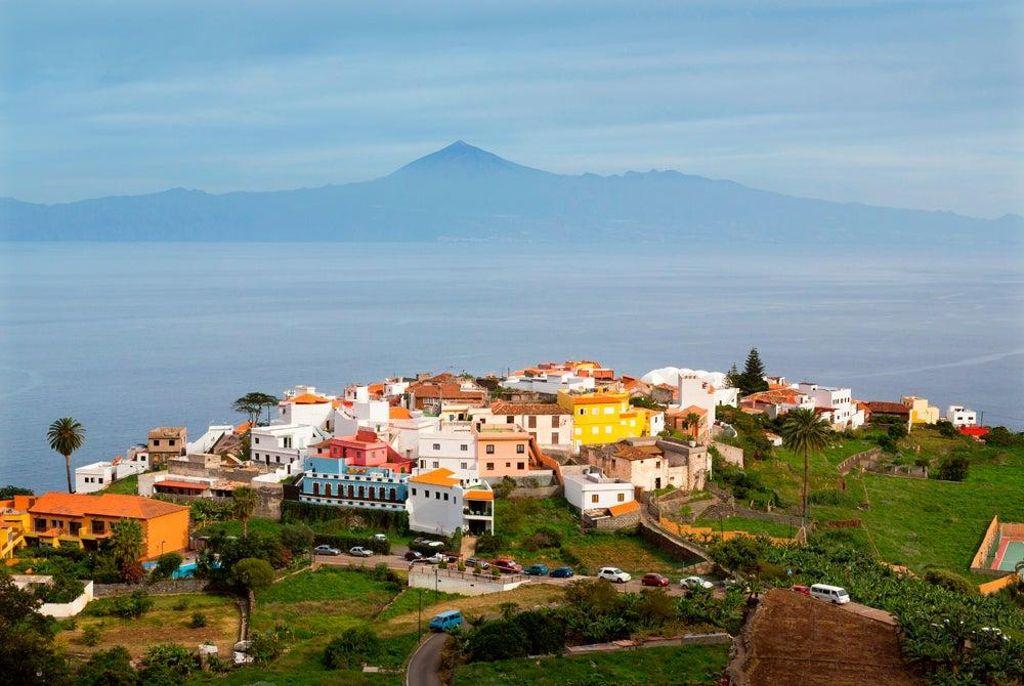
We remain in the Canary Islands and now arrive at Agulo, the village known as the chocolate bonbon of La Gomera. Its cobbled streets and storybook houses truly deserve the title of one of the most beautiful villages in Spain. The Church of San Marcos with its white domes contrasts with the reddish tone of the rooftiles of the houses. From Agulo, one can also see Tenerife and Mount Teide.
3. RONCAL (NAVARRA)

The capital of the valley that bears its name, the town of Roncal is located on both sides of the Esca River, in the Navarre Pyrenees. It also features cobbled streets, where one can admire stately buildings such as Casa Sanz, Casa Gambra, or Casa López. Known, among other things, for its famous Roncal cheese made from raw Latxa sheep's milk, among its notable residents was the tenor Julián Gayarre, whose mausoleum, created by Benlliure, can be visited.
4. BULNES (ASTURIAS)

Located in the Asturian council of Cabrales, Bulnes is one of the most remote villages in Spain but also one of the most emblematic of the Picos de Europa. It can only be reached by funicular or by walking along a narrow and steep path, making it quite an adventure. Additionally, from it, one can access Picu Urriellu, the famous Naranjo de Bulnes, a pilgrimage site for Spanish climbers. Among its heritage assets are the Castle Tower and the Church of San Martín of Bulnes, and among its gastronomic treasures is its Cabrales cheese.
5. CUDILLERO (ASTURIAS)

The Plaza de la Marina is one of the most iconic images of this fishing village in Asturias. Its colorful houses hanging from the mountainside continue to fascinate locals and visitors alike, and from Cudillero, one can access spectacular beaches, valleys, rivers, and cliffs. The entire area is designated as a Historic Artistic Complex.
6. GENALGUACIL (MÁLAGA)
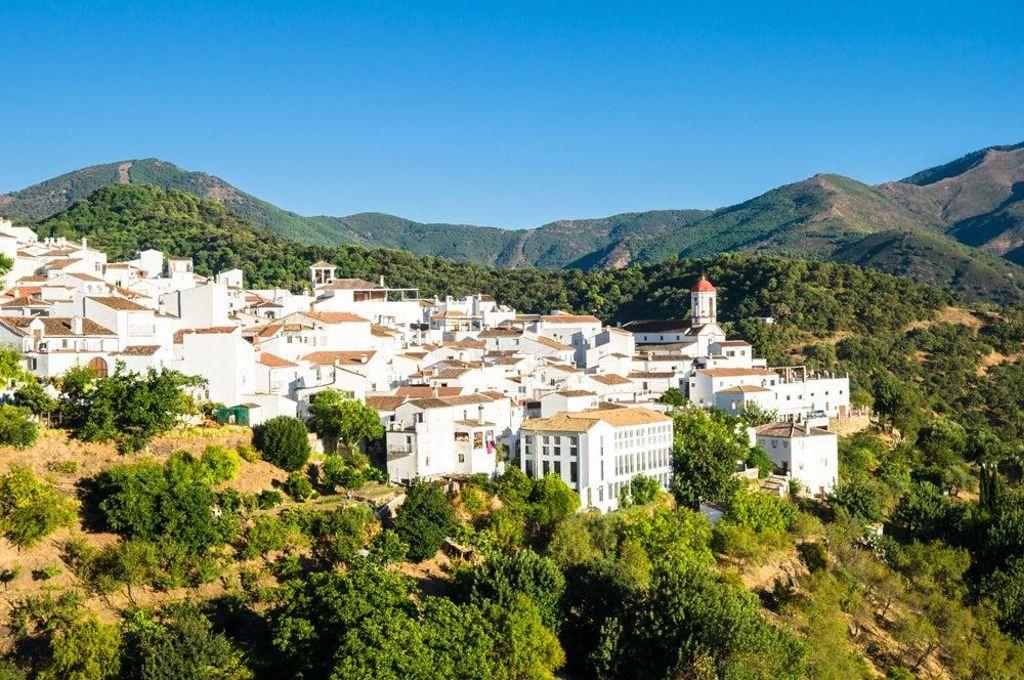
Its Arab heritage is still present in its name, as Genna-Ahuacir means Gardens of the Vizier. Located in the heart of the Genal Valley, in the Serranía de Ronda, Genalguacil is a sloping village with cobblestone streets and white houses adorned with flowers, surrounded by a mountainous landscape of chestnuts, pines, cork oaks, and pinsapos.
7. NUEVO BAZTÁN (MADRID)

Very close to Madrid, less than an hour from the capital, Nuevo Baztán was born in the early 18th century as a complex of luxury goods factories around the Goyeneche Palace-Church, its founder. Additionally, it provides the opportunity to see a unique example of an Enlightenment town. The Church of San Francisco Javier, shown in the image, is adjacent to the Palace, and both were designed by Churriguera.
8. VALVERDE DE LA VERA (CÁCERES)

Located in the comarca of La Vera, this cross-shaped town is organized around a main road with four crossroads: the Plaza de España, the Fountain of Four Caños, the church square, and the Plaza del Rollo. Throughout its streets, various channels or ditches, called regateras, channel rainwater. Its architecture is mainly based on half-timbering. The houses are two and three levels, the first built of stone and the others with wooden and brick or adobe framing. Its 13th-century castle, the most important military construction in the comarca, also stands out.
9. MOLINASECA (LEÓN)

Located just a few kilometers from Ponferrada, this medieval village in the Bierzo region is also a stop for pilgrims heading to Santiago. In fact, its Roman Bridge is named the Bridge of the Pilgrims. It was declared an Artistic Historic Complex in 1975 due to its rich popular architecture, featuring corridors, wooden cantilevered galleries, exterior stairs leading to the homes, and slate roofs. It is essential to visit the sanctuary of Nuestra Señora de las Angustias, the town's patron saint, and the parish church of San Nicolás de Bari.
10. BAÑOS DE LA ENCINA (JAÉN)

Its center was declared an Artistic Historical Complex in 1969, as Baños de la Encina, set in the Sierra Morena, has accumulated a rich artistic heritage: from its caliphate castle to its 18th-century mills. In fact, its castle, commissioned by al-Hakam in the year 968, was the subject of continuous battles between Muslims and Christians.
11. BEGET (GIRONA)
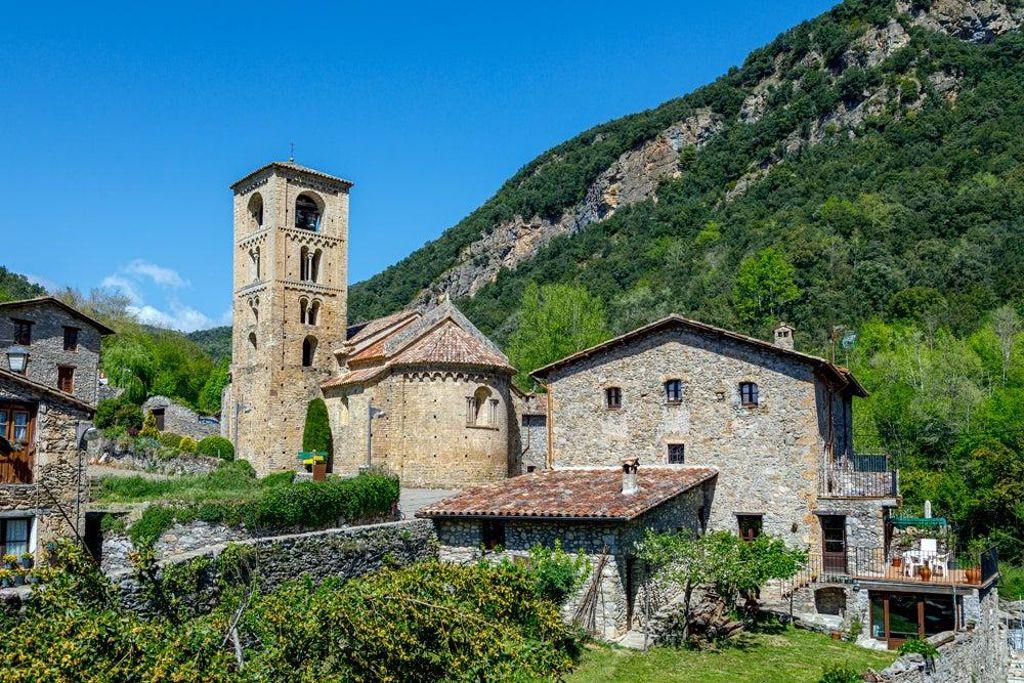
It has very few inhabitants (just over 20), but a great heritage. With origins dating back to the Middle Ages, this village in Alta Garrotxa grew around the Church of Sant Cristòfol. It features two medieval bridges that cross the Llierca River, a Clock Tower, and serves as the starting point for many routes for hikers and mountain bikers. In summer, it is worth visiting the pools of Beget, three large basins located on the outskirts of the village, towards Oix, in the Salarsa stream.