
Global Seed Vault: The Bunker That Holds All the Seeds of the World
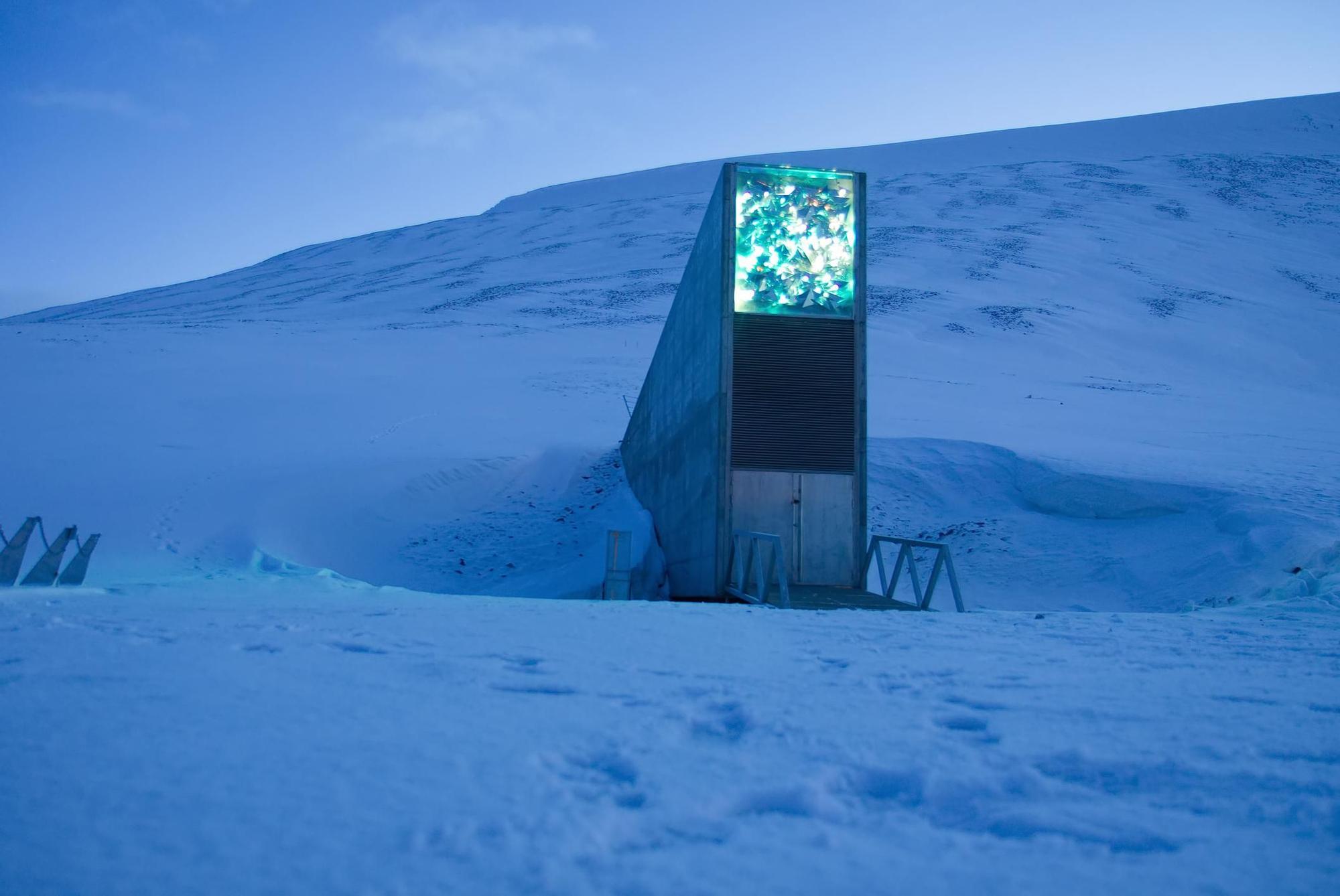

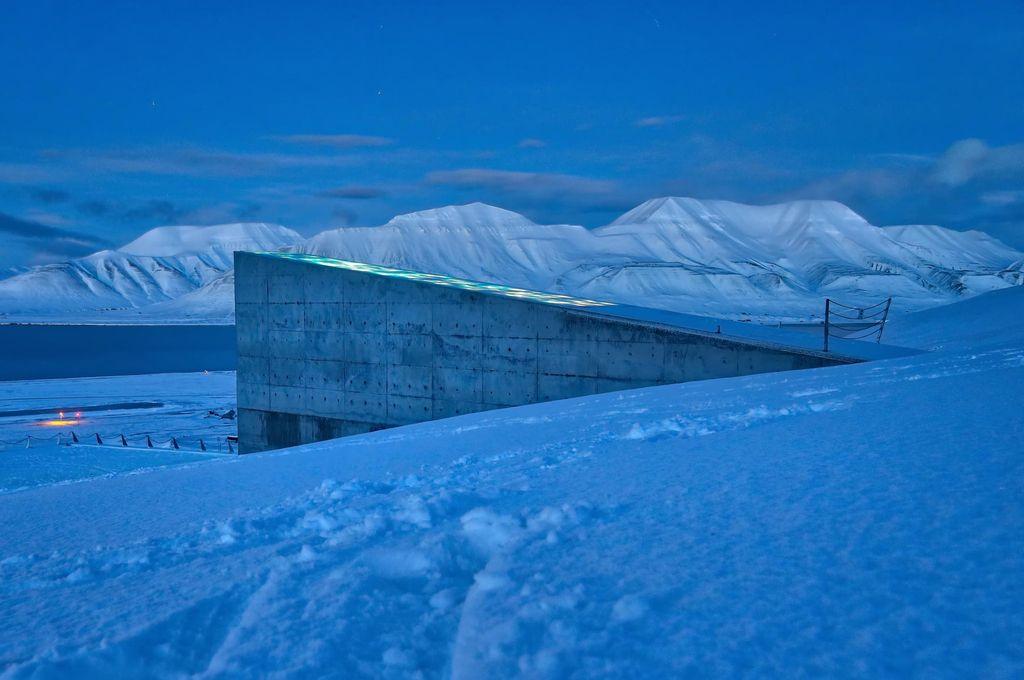
The Global Seed Vault is one of the most important weapons in existence today; inside its cold chambers, over 1,125,000 seeds from about 5,500 species and 89 gene banks are preserved. The goal of this place is to safeguard the base of our food supply against a possible apocalyptic future, whether due to war, a meteor impact, or climate change reaching its breaking point.
We travel to the cold lands of Norway to enter this bunker, specifically to the Svalbard archipelago, which houses this impressive facility that has been operational for nearly 15 years. It was built with a clear idea: to prevent external changes from affecting the interior.
The facilities are perfect, maintaining cold in case electricity is lost; a mountain in the Arctic was chosen, more than 100 meters above sea level, to prevent rising waters from damaging this essential site. Additionally, it is far from the most earthquake-prone areas of the planet, and very few people have access.
So well is the Vault cared for that its doors open only a few times a year, preventing the frozen seeds from coming into contact with the outside world. A possible global collapse would end everything, except for the Global Seed Bank.
All countries collaborate on this effort to conserve agricultural biodiversity, as there have been wars and natural disasters throughout history that have caused significant environmental losses. For this reason, it is essential that annual contributions of all types of seeds and genes continue; in 2022 alone, more than 22,000 new samples were received.
Although gene banks are still very scarce, countries like New Zealand, Uganda, and Germany have started to renew these banks. Proper conservation of the DNA of important seeds, such as wheat, a staple of the world's food supply, is crucial.
The vast number of collections held by the vault helps fulfill its second objective, genetic improvement. This secondary function aims to assist in the development of new crop varieties and help prevent food shortages.
While we cannot visit this point in Norwegian geography, we will be able to observe the evolution of this bunker, considered by experts to be the future of biodiversity conservation.