
Discovering the World's Great Lakes: They Seem Like Oceans
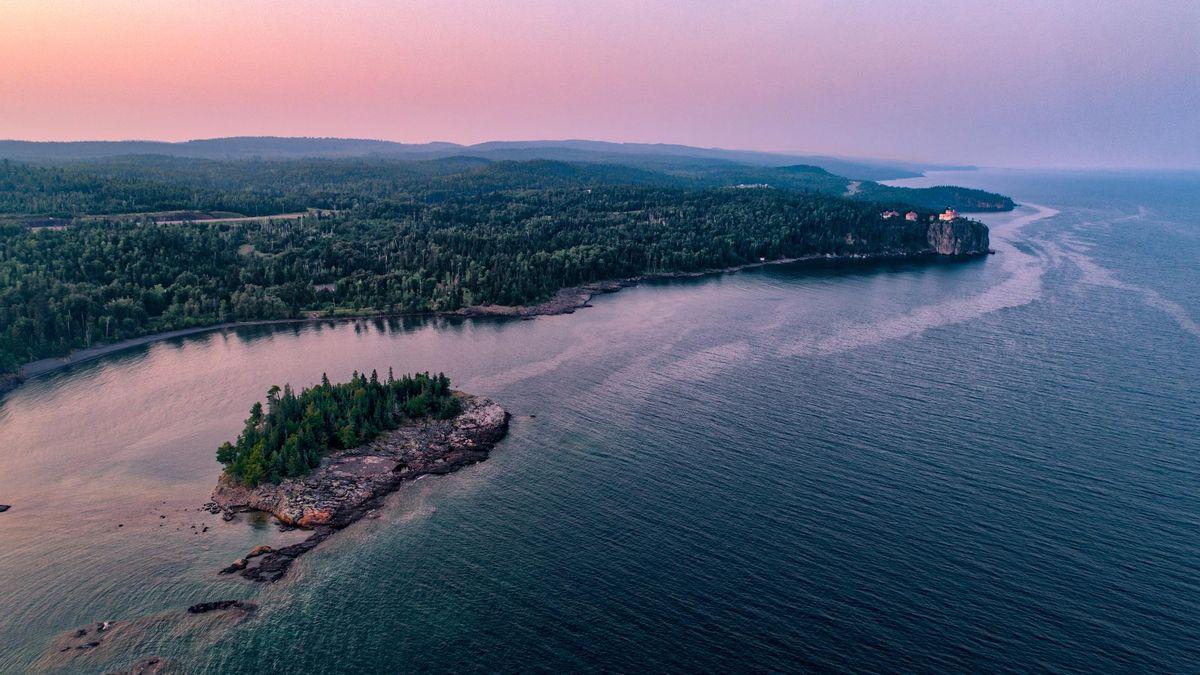
A lake is defined as a "large permanent body of water situated in depressions of the terrain." Beyond this academic definition, a lake can be part of some of the most beautiful landscapes in the world. They come in all sizes, both freshwater and saltwater, and are found in every location, regardless of temperature. Five of the largest lakes on Earth are located inNorth America, covering a total of 246,463 square kilometers.
However, smaller lakes are far more abundant than larger ones: a third of all stagnant water on the planet is represented by lakes and ponds of ten hectares or less (below 0.1 square kilometers). In contrast, the largest lakes represent approximately 29% of the global area of all stagnant water.
The Largest Lakes in the World

Caspian Sea - 371,000 square kilometers
Its name may be misleading, but it is not a sea; it is the largest lake in the world. It is not considered a sea because it can only be accessed via the Volga River and is only fed by freshwater. It spans the coasts of Azerbaijan, Iran, Kazakhstan, Russia, and Turkmenistan.
Its area is equivalent to three-quarters of the size of Spain and reaches a depth of 1,025 meters. Additionally, it has a wide variety of marine species, including the Caspian seal, one of the few species that live in inland waters.

Lake Superior - 82,414 square kilometers
Located between the United States and Canada, this lake lies in the area known as the Great Lakes. More than 200 rivers (St. Lawrence, North, Saint Louis...) flow into it and it hosts a wide variety of fish, such as trout, bass, yellow perch, pike, carp, and salmon.
It is a perfect spot for sport fishing, especially along the Ontario shore. Several islands float on the lake, the largest being Royale in Michigan State, though Madeline in Wisconsin and Michipicoten in Ontario are also notable.
Lake Victoria - 69,485 square kilometers
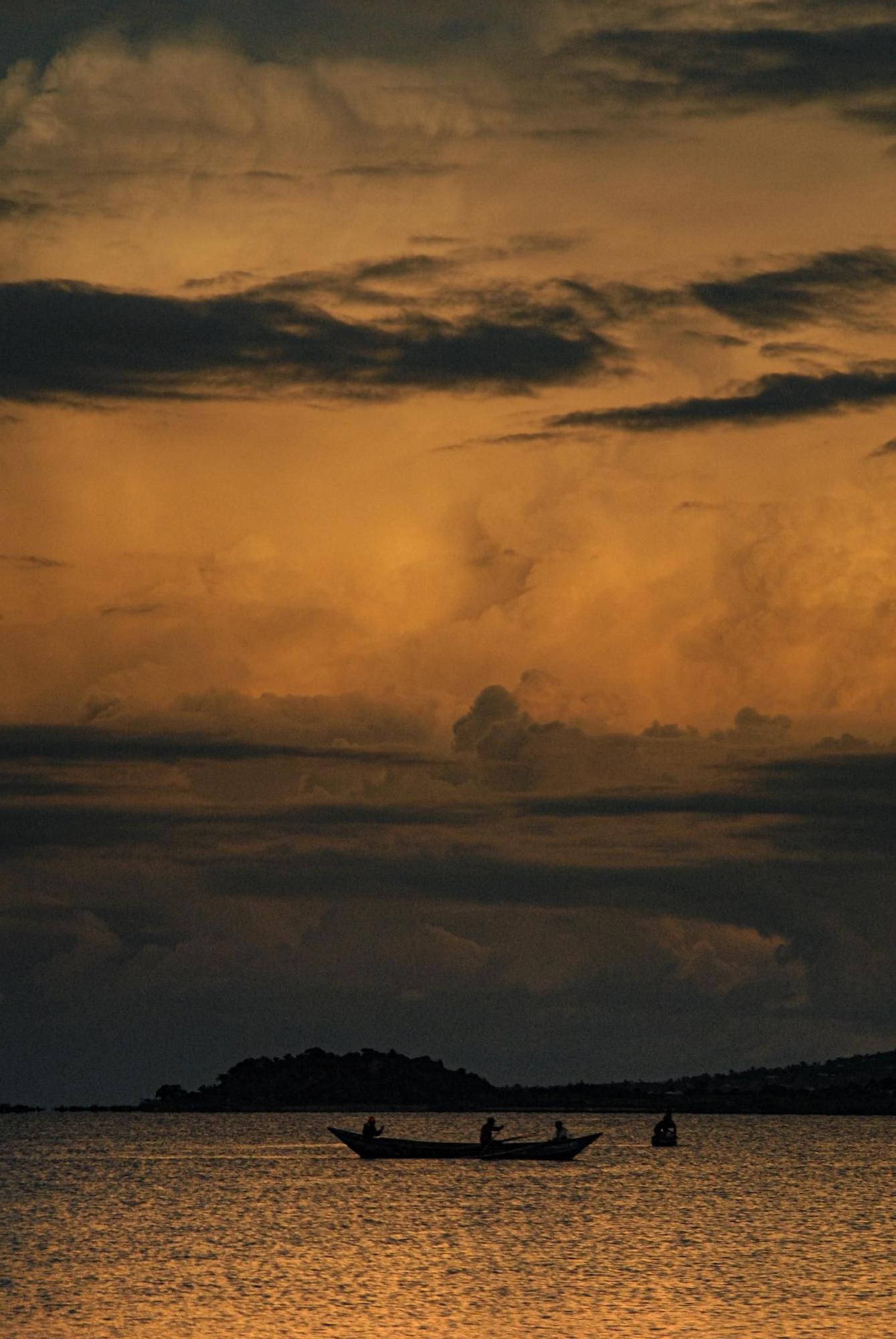
It is the largest lake on the African continent and the largest tropical lake in the world, spanning Uganda, Kenya, and Tanzania, although its depth is quite shallow: at its deepest point, it is 83 meters deep. Its main water source is the Nile River, yet its biggest challenge is dealing with significant pollution caused by human activity.

Lake Huron - 59,596 square kilometers
Another of the five Great Lakes, this one has a depth of 229 meters. It houses Manitoulin Island, the largest island in the world within a lake. In fact, it is larger than the island of Tenerife.

Lake Michigan - 57,750 square kilometers
This is the only one of the Great Lakes located entirely within U.S. territory. Therefore, it is the largest in the country, running along the shores of Chicago and Milwaukee. It has several beaches and legends tell of aircraft and ships mysteriously disappearing here, along with sightings of UFOs.

Lake Tanganyika - 32,893 square kilometers
This is the sixth largest lake but the longest on the planet, measuring 673 kilometers in length. It is located in the Great Rift Valley and crosses the territories of Burundi, Zambia, the Democratic Republic of Congo, and Tanzania. With an average temperature of 25 degrees, it is a perfect area for swimming at any time.

Lake Baikal - 31,500 square kilometers
At 1,637 meters deep, it is the deepest lake in the world. Located in Russia, it boasts a rich biodiversity in its waters, as well as a clarity that allows for visibility into part of its depths. It is home to more than 1,085 species of plants and 1,550 species of animals, such as the Baikal seal and a shrimp that cleans the water.

Great Bear Lake - 31,080 square kilometers
It gets its name from the number of bears that approach its shores in Canada to drink and eat. Additionally, when viewed from above, it could appear to be shaped like the head of this animal. It is one of the most transparent lakes and remains frozen from November to July, as it is part of the Arctic Circle.

Lake Malawi - 29,600 square kilometers
This is one of the lakes with the highest number of species, especially fish, which benefits the economies of Malawi, Tanzania, and Mozambique. Diving is permitted, making it one of its main attractions. It is also known as Nyasa or Niassa and has two islands within it. It has been protected within the Lake Malawi National Park since its establishment.

Great Slave Lake - 28,930 square kilometers
It is the deepest lake in North America, with a maximum depth of 614 meters. It is home to more than half of the Northwest Territories' population, including its capital, Yellowknife. It is a popular fishing spot, attracting over 5,000 anglers each year. Additionally, auroras borealis grace the sky above the lake, providing stunning views.
Each lake offers a distinct landscape, giving the true sensation of being in the presence of a much larger body of water such as a sea or ocean. However, they are lakes, and while they may initially seem similar to large saltwater bodies, they are, in reality, very different in terms of environment and biodiversity.