
How many steps are there in some of the tallest monuments in the world?

Making the most of destinations has almost become a necessity for many travelers who, in order to maximize their time, prepare itineraries that are practically from morning till night, moving quickly, walking tirelessly, and eating in a hurry.
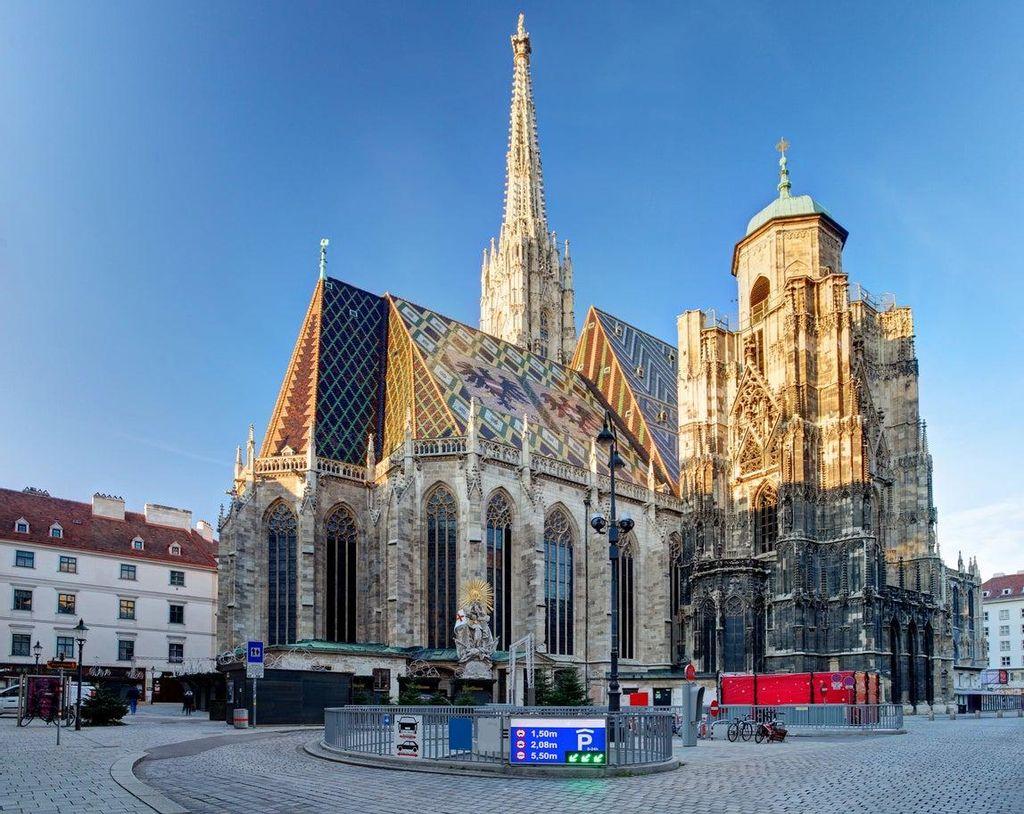
These routines mean that going on vacation doesn't necessarily imply giving up on exercise since, unless a beach destination is chosen, we will be burning calories almost without realizing it, especially if we include monuments in our routes where the only way to reach the top is by climbing stairs, such as the Duomo in Florence or St. Stephen's Cathedral in Vienna.
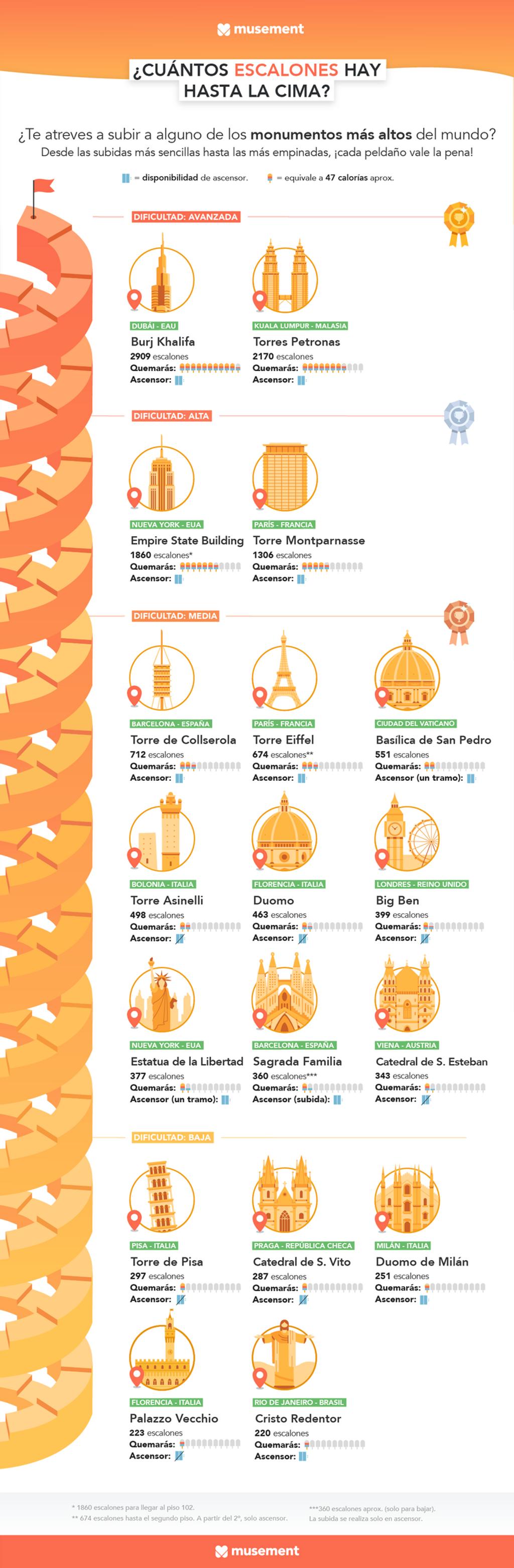
Thus, although we cannot currently calculate how many calories we burn while traveling, we can find out, thanks to the following infographic from Musement, an activity booking platform, how many steps we need to climb to reach the top of some of the most important monuments in the world to enjoy the incredible views they offer and the approximate calories we will burn at each one.
Advanced difficulty.

The Burj Khalifa (Dubai) and the Petronas Towers (Malaysia), two of the tallest buildings in the world, top the list compiled by Musement with the most steps. The former has 2,909 stairs, while the latter has 2,170. Those who dare to climb them can burn between 300 and 500 calories on average.
High difficulty.


The Empire State Building in New York has 1,860 steps, leading up to the 102nd floor. Every year, the stairs of this building host the Empire State Building Run-Up, a race where participants climb 86 floors (1,576 steps) in 10 minutes. Montparnasse Tower in Paris is another building with quite a few steps-1,306 to be exact-and climbing them can burn about 200 calories.
Medium difficulty.
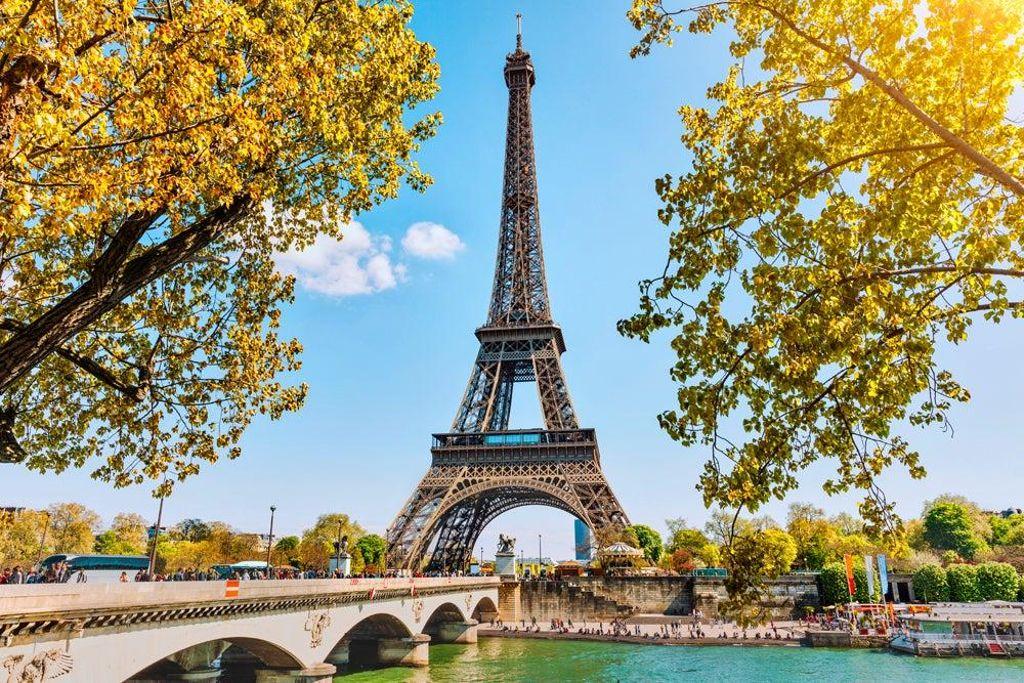

Travelers visiting the Collserola Tower in Barcelona can choose to climb its 712 steps and burn about 200 calories, or take the elevator. The same is true for the Eiffel Tower (Paris), which has 674 steps to the second floor, and St. Peter's Basilica (Vatican), which has 551 steps and an elevator to the first level. However, if we visit the Asinelli Tower in Bologna, the Duomo in Florence, and Big Ben in London, we will have to make the effort to climb the 498, 463, and 399 steps they each have, respectively, as they do not have elevators.

To reach the highest point of the Statue of Liberty in New York, one of the most famous and visited monuments in the world, we will have to climb 377 steps. To descend from the towers of the Sagrada Familia in Barcelona, it's 360 steps. In both cases, we can use elevators to assist with the climb. Not so in St. Stephen's Cathedral in Vienna, where we must climb its 343 steps if we want to reach the top of its south tower and enjoy stunning views of the city.
Low difficulty.


The Leaning Tower of Pisa in Italy receives thousands of visitors every year who, if they want to reach the top located eight floors up, must climb 297 steps on foot. The world's most famous leaning tower does not have an elevator, nor does St. Vitus Cathedral in Prague, where we must climb 287 steps, or Palazzo Vecchio in Florence, which has 223 steps. In contrast, both the Duomo in Milan and Christ the Redeemer in Rio de Janeiro have elevators, although those wishing to make the most of their visit and get some exercise can climb the 251 steps of the former or the 220 steps that lead to the top of the latter.