
If you have one of these surnames, you descend from the Romans

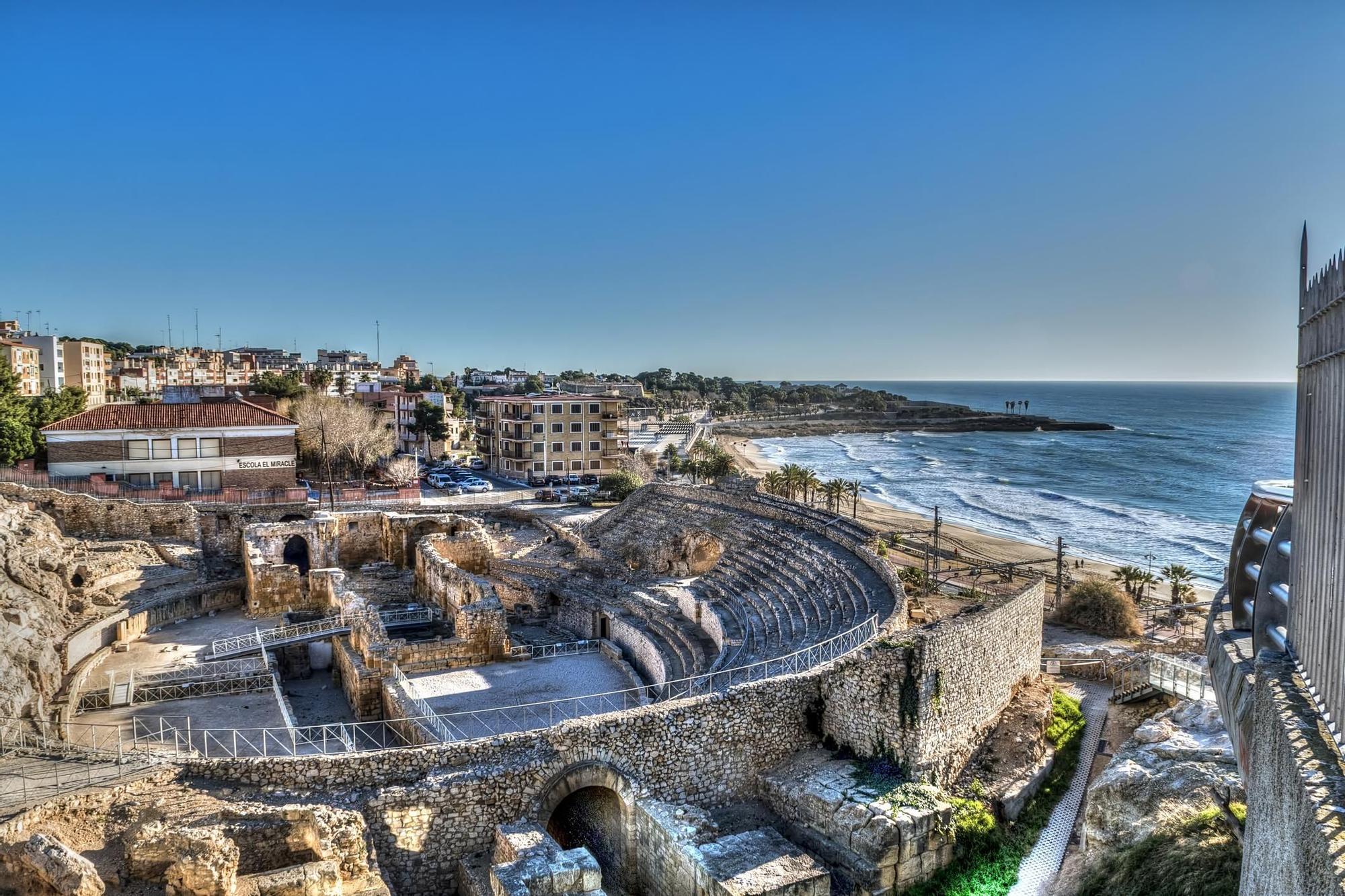
Surnames are much more than a family identifier: they are a bridge to our past that connects us with the history of civilization. In Spain, where the Roman influence left a significant mark, many current surnames have roots that trace back to the Roman Empire. These names, adapted from Latin or derived from Roman gentilicia, are witnesses to a legacy that has lasted for over 2,000 years. If yours is on this list, you could be linked to a powerful empire; so the next time you visit Roman ruins, you may feel a special energy surrounding you.
During their rule, the Romans introduced their language, their customs, and even their legal systems in the Iberian Peninsula, which persist to this day. Although many Roman names and gentilicia have transformed over time, their essence persists in surnames carried by millions today. Some are related to ancient noble Roman families, while others derive from Latin proper names.
Common Surnames with Roman Origins

- García: Of pre-Roman origin, but adapted during Romanization, derived from the term meaning "bear."
- Fernández: From "Ferdinandus," associated with bravery and audacity.
- López: Comes from "Lupus," which means "wolf."
- Martínez: Derived from "Martinus," related to Mars, the Roman god of war.
- Sánchez: From "Sanctius," meaning "holy."
Other Surnames with Roman Ancestry
In addition to popular patronymic surnames, there are others less common with a direct Roman heritage:
- Acosta and Costa: Associated with Roman families in Hispania and with Latin geographical terms.
- Romero: Derived from the Latin "romaeus," referring to pilgrims traveling to Rome.
- Expósito: Means "exposed" in Latin, commonly applied to abandoned children in ancient times.
- Villa and Fontana: Originates from Roman terms linked to localities or springs.
Surnames with Geographical or Cultural References
- Marco: Related to the Roman praenomen "Marcus."
- Romano: Directly means "from Rome."
- Romeo: Associated with devotion and pilgrimage to Rome.
What Determines a Roman Origin?

To identify surnames of Roman roots, factors such as their etymology, Latin endings (like "-ius" or "-us"), and prevalence in regions with a strong Roman heritage can be considered. The Romans introduced a naming system that included a personal name (praenomen), a family name (nomen), and a distinctive or nickname (cognomen), often related to personal characteristics or place of origin. Do you think your name is of Roman origin? If not, but you love the Roman world, you can visit dozens of sites throughout the country and imagine living there as a true citizen of the Roman Empire.