

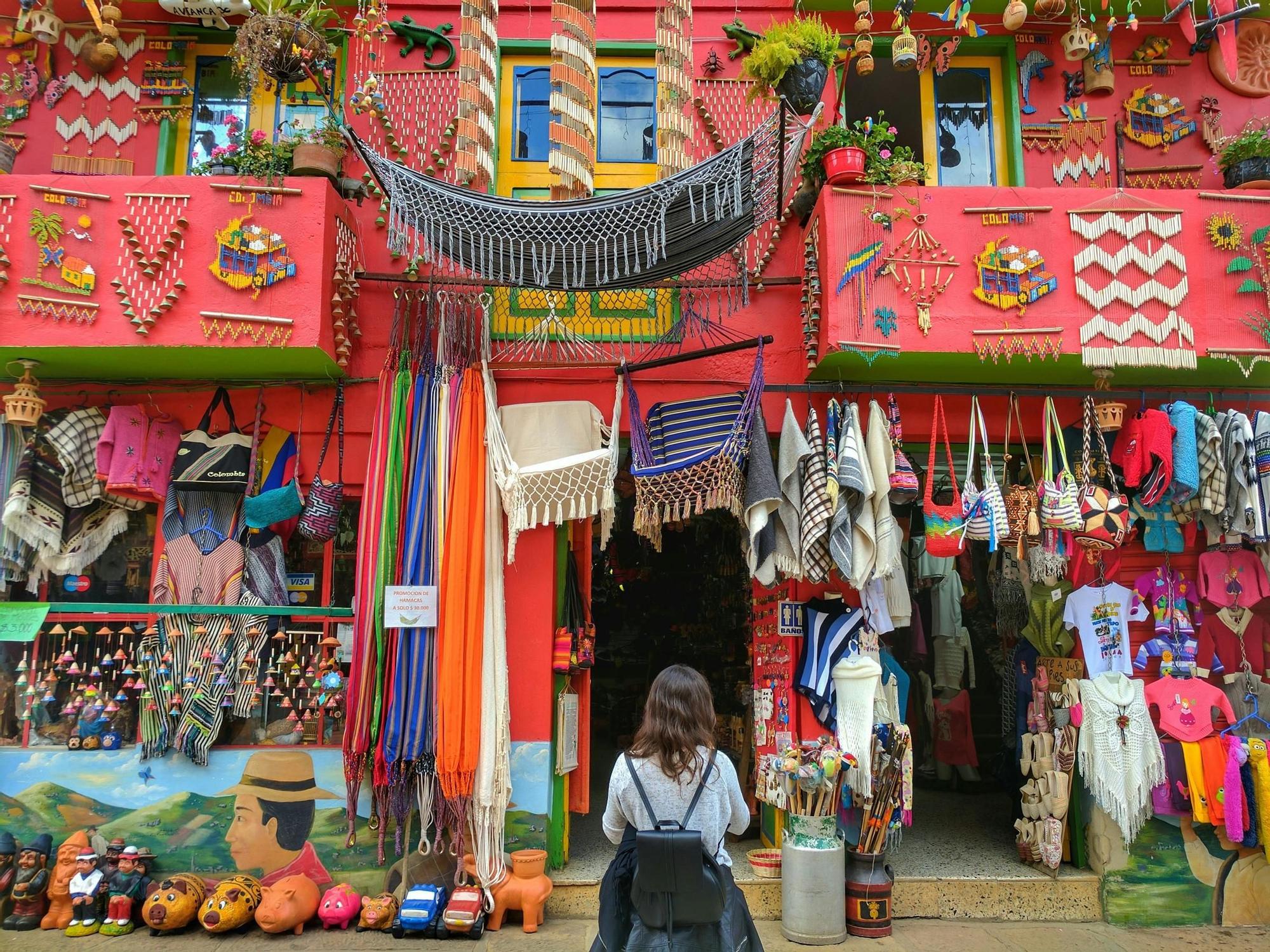

There are borders that are not visible, but they are heard. They are not made of wires or checkpoints, but of syllables. Of ways of naming. Sometimes it only takes crossing a hill, a ditch, or a bridge that is not even marked on the map for the language to twist just a bit. It doesn't change languages, but it does change rhythm, accent, or word. And that is enough to feel like you're in another place.
Those invisible lines that divide what sounds different are called 'isoglosses' by linguists. They not only separate ways of pronouncing, but also mark where a word begins to be used with another name, or where an expression changes structure. It is a map that is not drawn with compasses, but with the ear. And every curve of that map tells a story of migrations, isolations, and resistances.
Where 'vos' replaces 'tú'. Where 'll' sounds like 'sh'. Where bread is bolillo, marraqueta, or French bread, even though it takes the same shape. They are minimal variations, but definitive. Like the accent of someone who arrives late to a conversation and cannot help but show that they come from afar.
In Mexico, the same object can be molcajete or mortar; and if one asks on the street, they probably won't call it by either of those names but simply 'where it is ground.' In Colombia, between the highlands and the coast, you can create a map just based on how people greet each other. The '¿qué hubo?' becomes '¿qué más?', then 'hello, veci', until in La Guajira one realizes that the language has been filled with salt and wind. As if the Caribbean spoke with its own grammar of heat.
Those differences, which seem casual, respond to the terrain. As if the language knew of mountains, rivers, and difficult paths. As if it said: here they speak this way because here they live this way. 'Every word is a territory,' wrote Clarice Lispector. And every way of pronouncing it, a way of inhabiting it.
The attentive traveler does not need a GPS to notice that they have crossed an isogloss. It's enough to listen to how coffee is ordered, how a father is named, or how a joke is told. There are no flags in those crossings, but there are pauses. There are accents that appear like a shy greeting. There are words that tread like puddles.
And then it is understood that there is not just one Spanish, nor one single way of being in the language. That we speak a tongue made of small migrations, diversions, gentle mutations. That this shared language - as Bernard Shaw said - 'is what separates us.' And that, to truly navigate it, something more than a dictionary is needed: it requires walking through it.