
Best Things to Do:
The Owners of Machu Picchu: A Controversial History


Roxana Abrill claimed in 2003 that the impressive archaeological complex of Machu Picchu and all its lands belonged to her family. She was so confident that she dared to sue the Peruvian state, asserting ownership and demanding the land be returned to her.
She was not the only one to claim ownership of these ruins, which were voted one of the New7Wonders of the World in 2007 and designated a UNESCO World Heritage Site since 1983. In 2005, Blanca Zavaleta and her brothers also asserted they owned the lands surrounding Machu Picchu and the Inca trails around it.
These controversial statements became more significant given the national importance of the issue, which was resolved in 2019 after more than a decade of litigation. The Superior Court of Cusco declared the Abrill family's lawsuit unfounded, as they demanded the state pay $100 million for the use of the 13,000 hectares of land exploited for tourism.
Peru's Minister of Culture, Luis Jaime Castillo, remarked after the ruling that "archaeological cultural heritage is the property of the state, and sometimes that property is contested." For him, the fundamental point was to uphold the inalienable right of all Peruvians to defend their cultural heritage.
Although it is true that both the Abrill family and the Zavaleta family presented documents that, indeed, made them landholders of these areas. This is their story.
The Story of the "Owners" of Machu Picchu
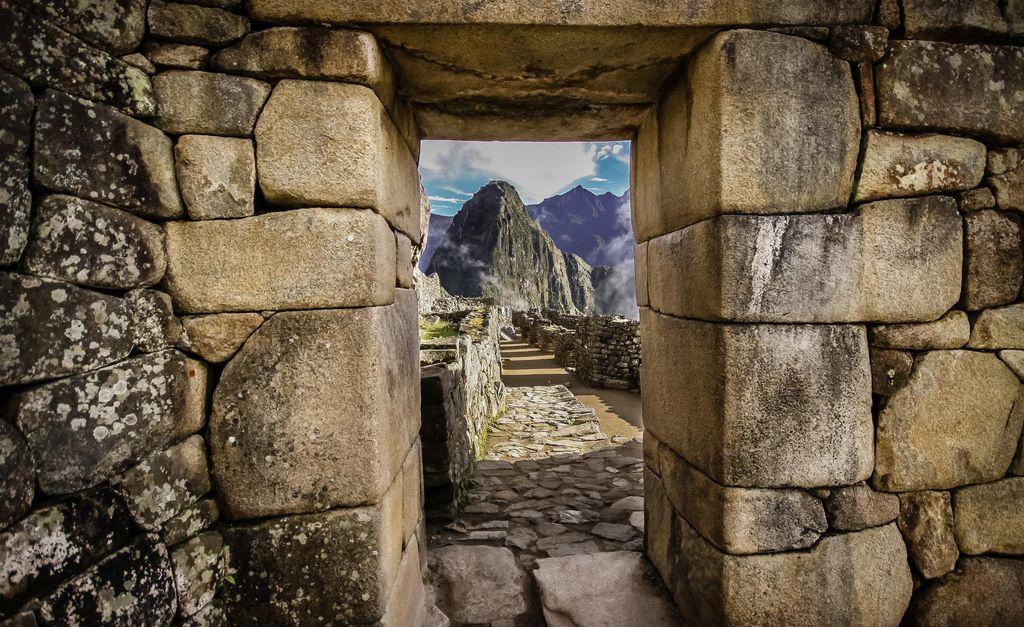

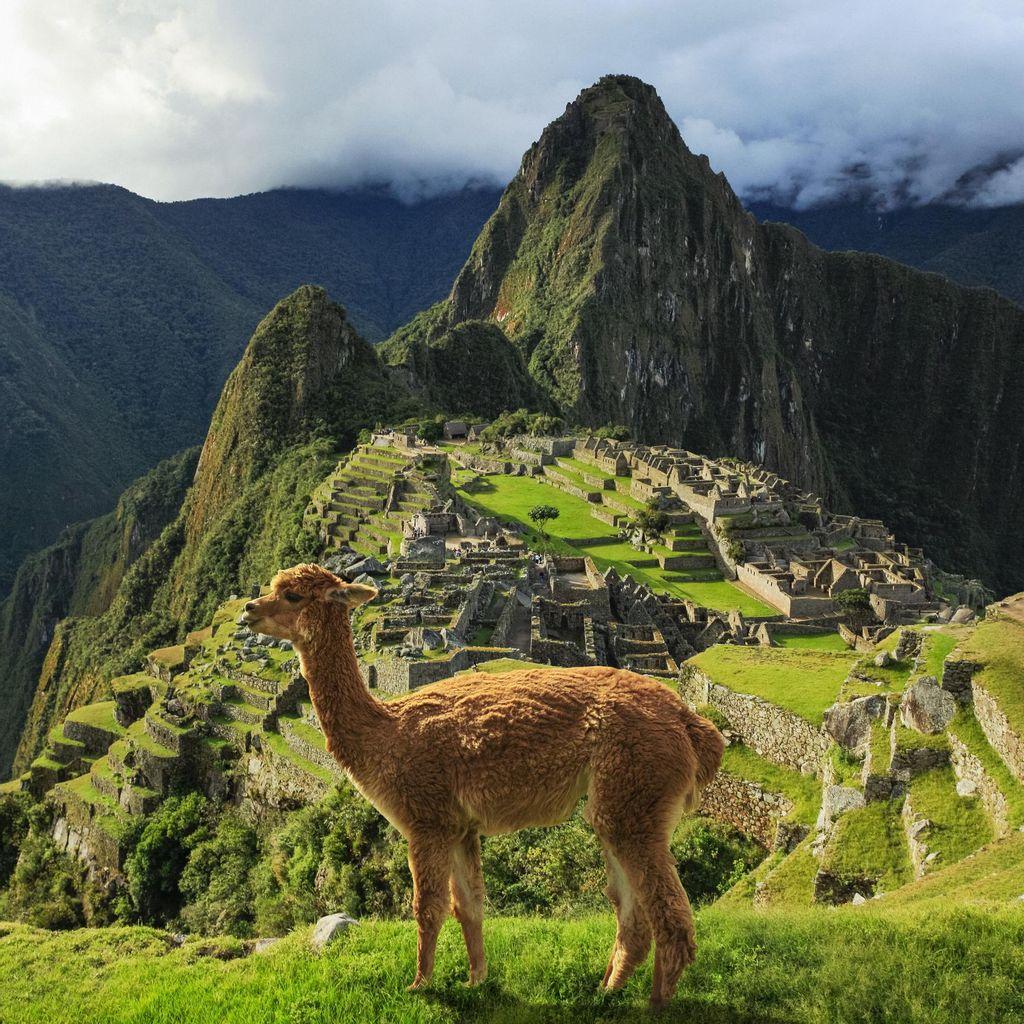
Legal troubles surrounding the Inca citadel began in 1944 when the two families divided the property despite the existence of a law stating that the state owned the archaeological remains.
The division was clear: the Abrills kept the ruins, and the Zavaletas kept the network of Inca trails. This division has led to the real controversy because it was approved by a notary, a document that has been the main evidence in the 15 years of legal battles between both families. The state was eventually able to prove that the lands owned by these families, indeed, belonged to them, were expropriated during the Agrarian Reform of the 1960s and 70s.
To understand the outcome of the lawsuit, one must know about Mariano Ignacio Ferro, who between 1904 and 1910 purchased a 22,000-hectare property from a family with the surname Nadal, which included the citadel.
This landowner left his property to his daughter Tomasa, who married lawyer José Emilio Abrill. Due to Machu Picchu's growing popularity, Abrill began lengthy negotiations for the state to expropriate the land in exchange for economic compensation. However, governments were unable to calculate the price they should pay the family.
That is why in the 1940s Abrill began selling parts of his property. This is where the Zavaleta family comes into play, having acquired part of this territory in exchange for a lucrative financial compensation while awaiting the state to finalize the purchase. But the purchase was never formalized.
The state acted by law to preserve lands that belong to all Peruvian citizens, establishing that "all pre-Hispanic monuments existing within the national territory became the property of the state." The Abrill and Zavaleta families continued to argue that this law did not apply to their situation, as their family ownership titles dated back to between 1904 and 1910.
You know the outcome: the Peruvian state, looking to preserve its beloved Machu Picchu, decided through the Superior Court of Justice that those lands belonged to every single citizen of Peru. That is why Machu Picchu now has an owner: the heart of all Peruvians.