
- 1. Malasaña, the most iconic neighborhood in Madrid
- 2. The origin of its name: a story of social struggle
- 3. The Madrileña Movida was born here
- 4. A neighborhood with an eco-conscious spirit
- 5. A place where protest is a presence
- 6. Curiosities of Dos de Mayo Square
- 7. Bars and cafés as centers of creation
- 8. Street art in Malasaña
Malasaña, the most iconic neighborhood in Madrid
From Madrid to the sky is a saying that all travelers who venture to the capital witness as soon as they set foot in the city. From the spot on Atocha Street where Don Quixote was printed to the Prado, one of the most prestigious art galleries in the world, passing through our very own Hollywood-style Walk of Fame.
To truly discover Madrid, it is worth getting lost in its neighborhoods. For instance, we can travel south to explore Carabanchel, the working-class neighborhood of Madrid that is now enjoying a good reputation or the Literary Quarter, considered one of the 15 most beautiful in Spain.
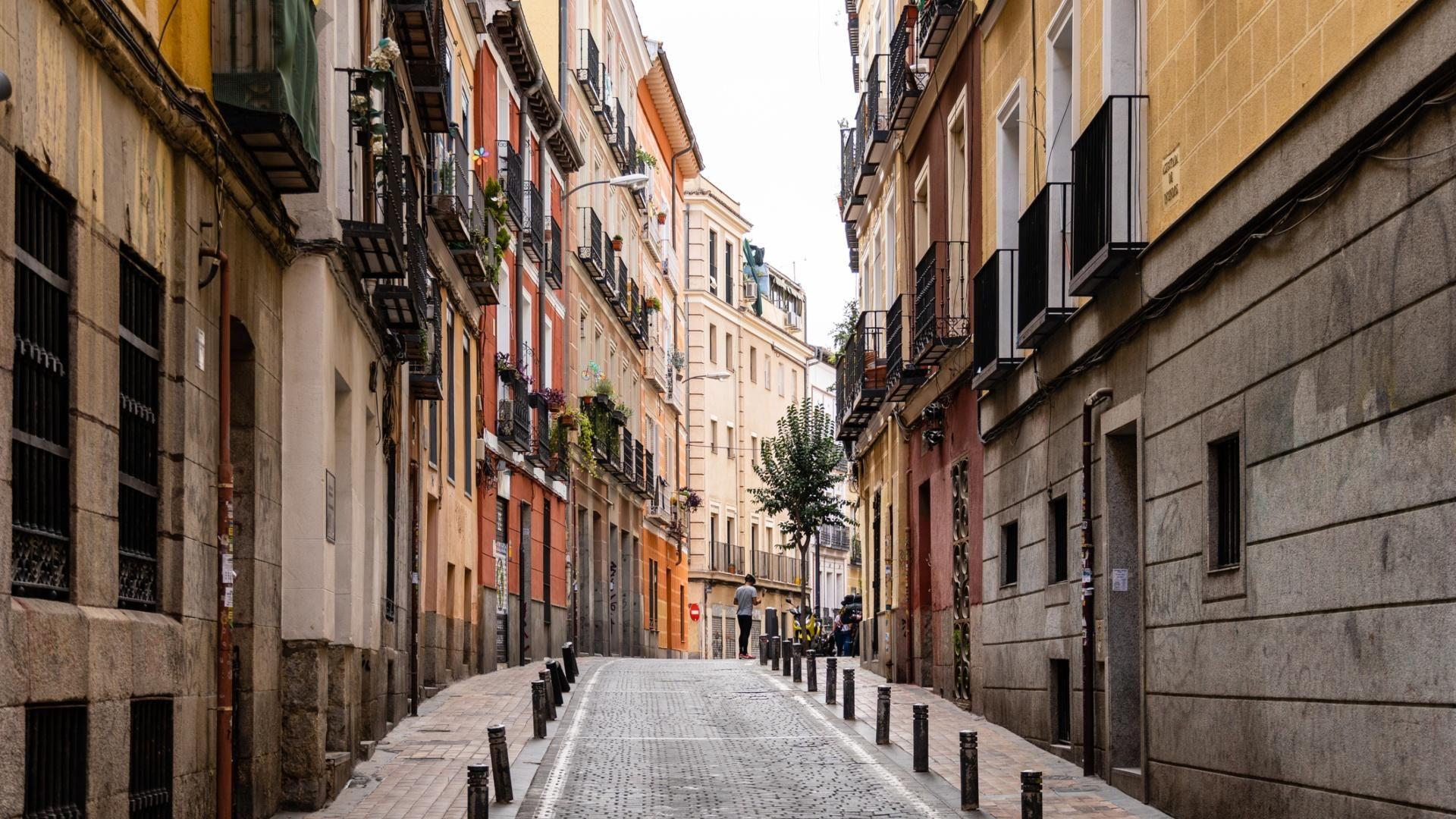
Today, however, we move to just a few steps from the Puerta del Sol to discover one of the most iconic enclaves of the capital, the neighborhood of Malasaña. Famous for its nightlife, alternative atmosphere, and its ties to counterculture, it has much more to offer than meets the eye. Before visiting, we suggest uncovering 7 interesting facts about a neighborhood that never stops advocating for its identity and roots.
The origin of its name: a story of social struggle

Malasaña takes its name from Manuela Malasaña, the young woman who became a symbol of popular resistance during the War of Independence in 1808. Malasaña was arrested and executed by French soldiers for defending her neighborhood, and today her name serves as a constant reminder of the fight for freedom and social justice.
The Madrileña Movida was born here

When we talk about alternative culture, we cannot overlook the famous Movida Madrileña, the movement that flourished in Madrid during the 1980s. Malasaña was the epicenter of this revolution, with bars like Café de la Luna and El Penta hosting artists such as Alaska, Nacha Pop, and Héroes del Silencio. The neighborhood was undoubtedly the cradle of music and arts for an entire generation.
A neighborhood with an eco-conscious spirit
Malasaña is a place where environmental awareness is very present. Many shops and restaurants promote eco-friendly and sustainable practices, offering everything from organic products to the reuse of materials. In recent years, the neighborhood has become filled with second-hand stores and artisan product markets, demonstrating that sustainability is part of its DNA.
A place where protest is a presence
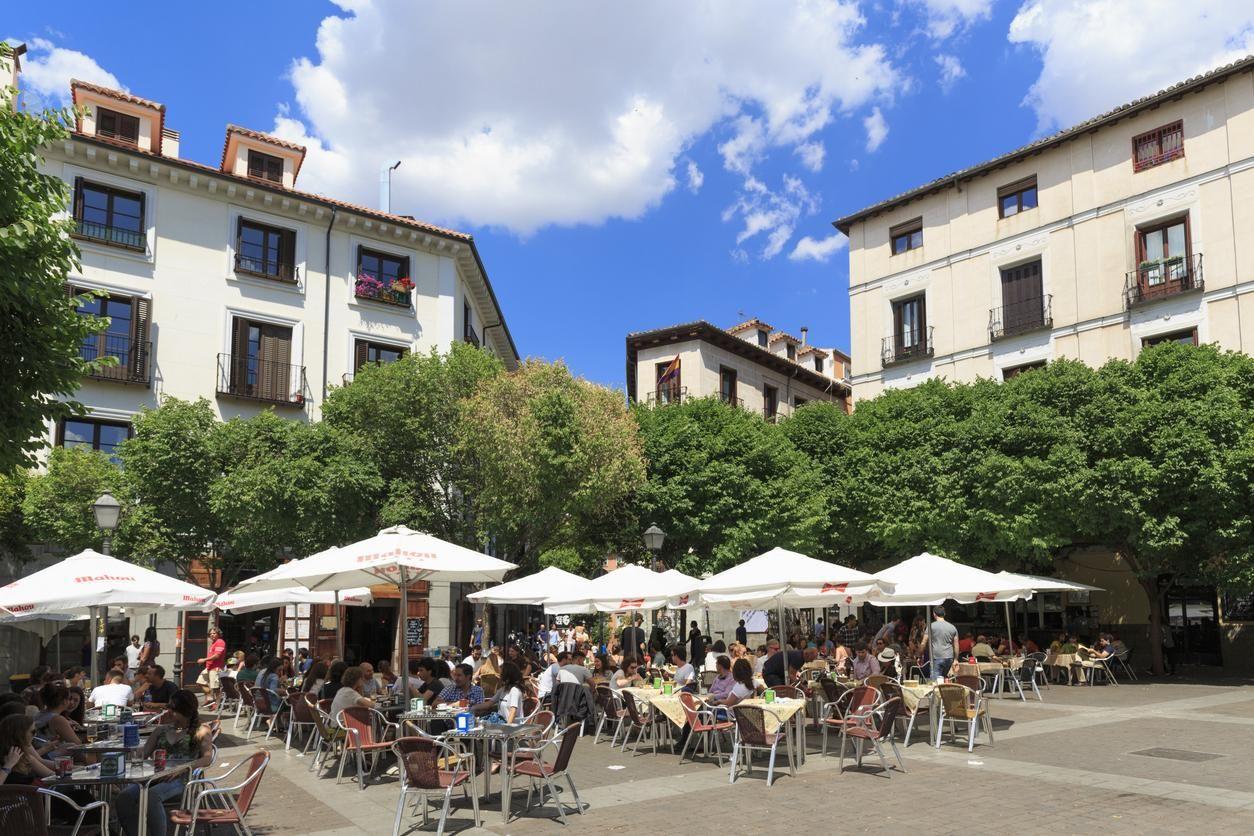
From civil rights protests to more recent demands for gender equality and social justice, Malasaña has been a place of constant struggle. Dos de Mayo Square is a regular venue for protests and assemblies, echoing its history of resistance and rebellion.
Curiosities of Dos de Mayo Square

Located over the former artillery park of Monteleón, its main gate and the statue of Daoiz and Velarde catch our attention. This monument was built in Rome in 1822 but wasn't moved to Madrid until 1831. It was displayed in the Prado Museum for 15 years and passed through various locations in Madrid until it arrived at this square in 1932.
Bars and cafés as centers of creation

Malasaña has been a refuge for artists and thinkers for decades, and its bars and cafés continue to be spaces for cultural exchange. They are not just places to grab a drink, but true temples of creation where music, cinema, and art come together in every corner. Writers like Emilia Pardo Bazán and Rosalía de Castro, politician Clara Campoamor, and journalist Carmen de Burgos lived in a neighborhood that, according to some statistics, has 36,000 balconies.
Street art in Malasaña
Malasaña is also an open-air museum. The walls of the neighborhood are decorated with murals, graffiti, and street art that not only tell the stories of the neighborhood but also advocate for social and political issues. Local and international artists gather in its streets to showcase their creations, making every stroll a unique experience for contemporary art lovers.
In short, Malasaña is much more than a trendy neighborhood in the center of Madrid. It is a place filled with history, struggle, and, above all, advocacy. Over the years, it has managed to keep its rebellious essence alive, which can be discovered both in its streets (bustling with life at all hours) and in its more than 500 bars.