
Mercury Fountain in Barcelona
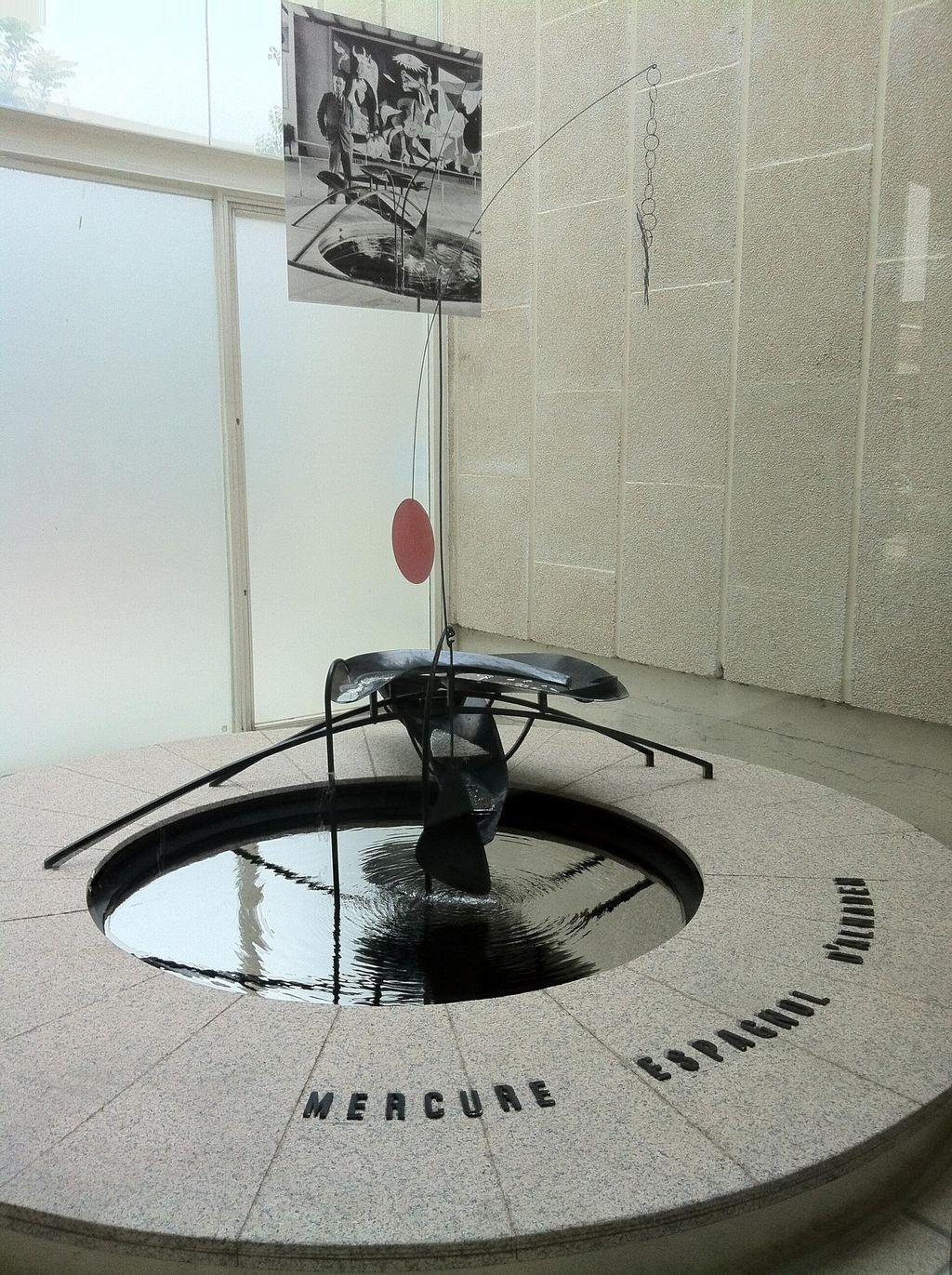
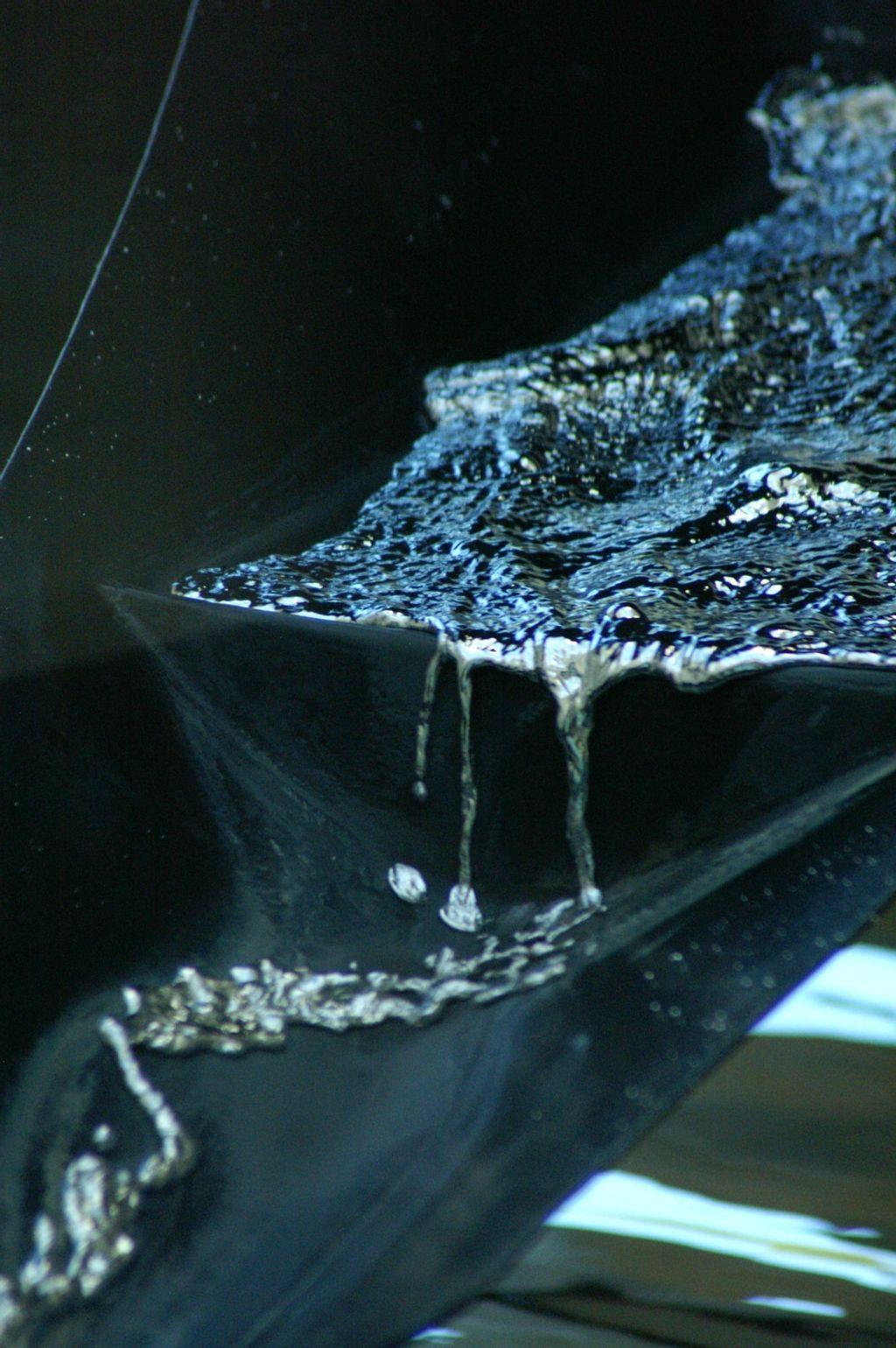

Big cities are often filled with decorative fountains in parks, gardens, plazas, and roundabouts. Some are more modest, while others feature grand designs. However, some fountains do not circulate water at all. In the city of Barcelona, there is one fountain that uniquely flows with mercury, which at room temperature is a liquid metal, making it one-of-a-kind in the world.
The fountain was created by sculptor Alexander Calder in 1937 as a tribute to the miners of Almadén, thanks to a commission from the Second Spanish Republic. These mines are located in Ciudad Real and have been the largest source of mercury in the world for over two thousand years. It is estimated that nearly one-third of all the mercury used throughout human history has come from these mines.
However, because mercury is a toxic substance, many miners died attempting to extract this metal. This is why the Spanish government of the Second Republic asked the sculptor to capture this tragic event in a work of art to serve as a tribute. Calder presented his work at the International Exhibition in Paris, which was notable for its shape and the peace conveyed by the liquid that emanated from it.
Although the fountain is displayed at the Joan Miró Foundation in Barcelona, it is not accessible to the public. The fact that mercury is toxic both upon contact and when inhaling any vapors it emits necessitates that the sculpture be protected by a transparent glass enclosure, ensuring that viewing it is completely safe. Additionally, a 1:3 scale model of this abstract sculpture, also created by Calder in 1943, is exhibited at the Reina Sofía Art Center.
The name of the work is easy to remember, 'Mercury Fountain', and it consists of both a mobile and a fixed part, where the name 'Almaden' can be read, referring to the mine. It is made of aluminum and painted iron, through which the mercury from the mines flows; these mines closed in 2002. The choice of these materials is due to their resistance to mercury, which does not corrode them. Subsequently, the mines have become a tourist site with guided tours that allow visitors to learn about their history and the tragic fate of many of their workers.