
The Mystery of the Nazca Lines

Located in the coastal desert of southern Peru, these enormous figures etched into the ground remain a mystery for visitors, scholars, and researchers. With over 800 large-scale figures dated, also known as the "Nazca Pampa Geoglyphs," the Nazca lines represent silhouettes of animals, trees, and flowers, and even human figures that can be admired by participants of the upcoming VIAJAR Expedition to Peru. The trip, organized by VIAJAR magazine and Azul Marino Viajes, will feature an exceptional guide, the magazine's director, Josep M. Palau.
The first sighting of the glyphs dates back to 1920, but it is believed that their creators began making them over 2,000 years ago. The Nazcas were a pre-Inca people who inhabited southern Peru between the 1st and 7th centuries BC. The word Nazca means "place of suffering or pain" and was given due to the harsh climate and unfavorable environment of the region. This coastal area is one of the most arid in the world despite having ten rivers flowing from the Andes. Unfortunately, most of these tributaries lack water for most months of the year.

Inca roads, irrigation projects, imagery to be observed or landing strips for extraterrestrial crafts. There are numerous theories attempting to explain the origin of the Nazca Lines. But despite countless studies, it remains a mystery of our history.
After World War II, a German teacher named María Reiche conducted initial research on the geoglyphs. Reiche dedicated her study to analyzing and observing the representations located on the outskirts of Nazca and Palpa. Her hypothesis, which continues to be supported by numerous scholars today, was that they were used as an astronomical calendar, but this was rejected and dismissed by some experts.
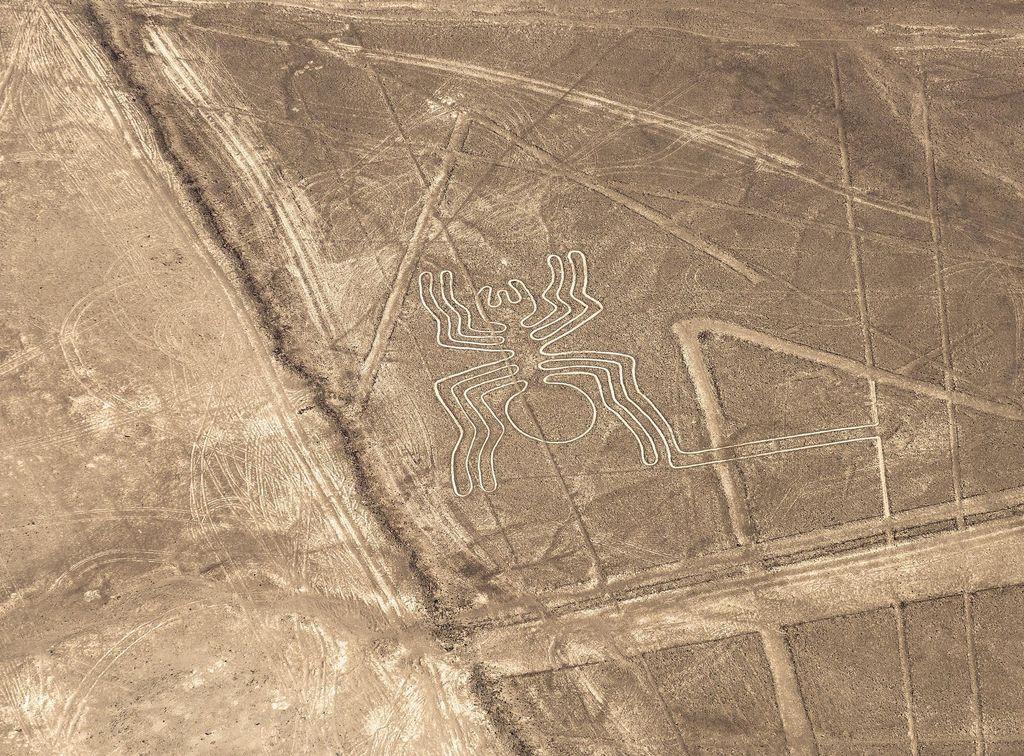
Another hypothesis suggested is that they were elements used for rituals and ceremonies in which the Nazca people walked in procession along the insides of these lines. German and Peruvian scholars claim that these figures grew in size due to a population increase that required more space for their rituals.
Unfortunately, the Nazca Lines are not immune to the passage of time and human development. Inevitably, the construction of infrastructure and roads, tourism, and agriculture and livestock have damaged some of the original geoglyph patterns.
The only certain and confirmed fact about this visual spectacle is that not all the geoglyphs were drawn at the same time or for the same purpose. This prehistoric marvel is a reflection of the beauty of the cultures that have inhabited and currently inhabit our planet and must be respected and preserved with care so that the thousands of people who visit them can continue to do so for many more years.
How to Participate in the VIAJAR Expedition to Peru
Information about flights, accommodations, prices, and the complete program at club-viajar.es/expediciones, by sending an email to expedicionviajar@clubmarcopolo.es or by calling 900 909 698.