
New Site in Atapuerca Over 1.5 Million Years Old
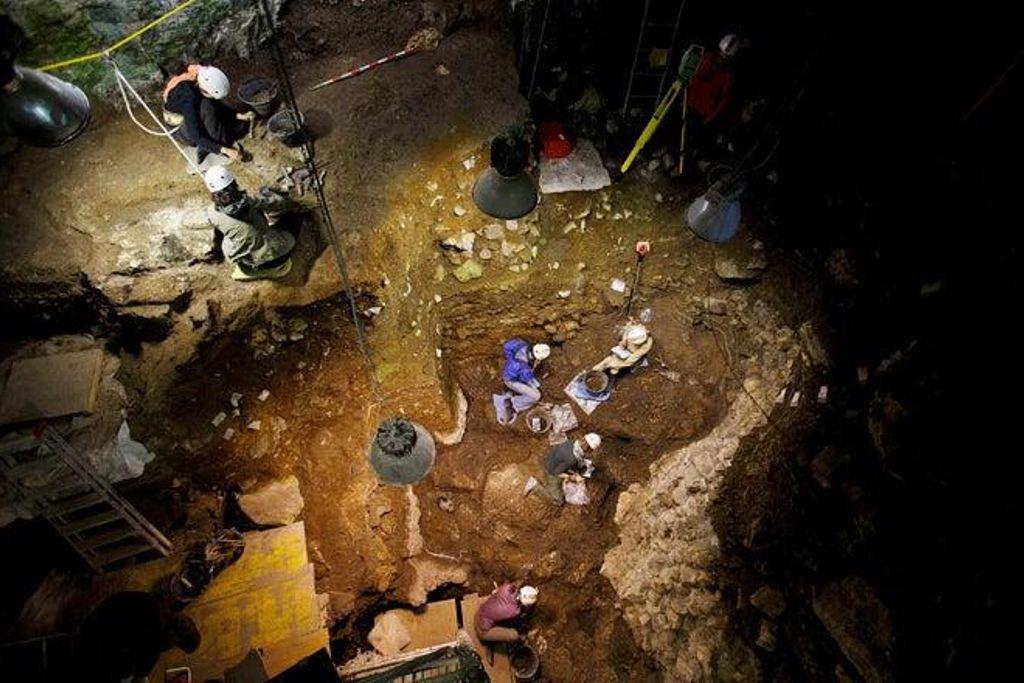
The co-directors of the excavations, Eudald Carbonell and Juan Luis Arsuaga, explained during the presentation of the report on the "Atapuerca 2016" excavation campaign that if the age of these remains is confirmed, they will be the oldest found in Atapuerca, as the most ancient find is 1.3 million years old.
The idea that even older remains might be found in Ghost Cave is based on their explanation during the presentation that "there are several archaeological and paleontological levels. We believe that the river did not reach here, so if the cave was open, it is likely that the oldest remains have been preserved." However, Carbonell noted that this site may have only been affected by the effects of an explosion in the Railway Trench.
Still, Juan Luis Arsuaga believes this discovery is "very promising" because it could "connect" the hominids from Elephant Pit, which are 400,000 years old, with the Gran Dolina Antecessor of 900,000 years, reaching "that new species still unidentified" from the Elephant Pit that is 1.3 million years old where evidence of human presence has been found.
Additionally, the co-directors of the site have requested the Board of Castilla y León to cover the find so that excavations can begin as every year between the second half of June and the end of July 2017. This will be one of the largest excavations in recent years.
During that period, the first surveys will be carried out by a very specialized group who will begin to outline a future strategy and subsequently conduct detailed dating of the different layers of the new site, as what has been done so far is only a calculation compared to the rest of the Atapuerca mountain range.
According to the co-directors, it is a large cave that could exceed 30 meters in width. These findings are particularly significant as they are the only ones corresponding to the Middle Pleistocene found this year in Europe.