
Orion Nebula: The Sistine Chapel of the Sky

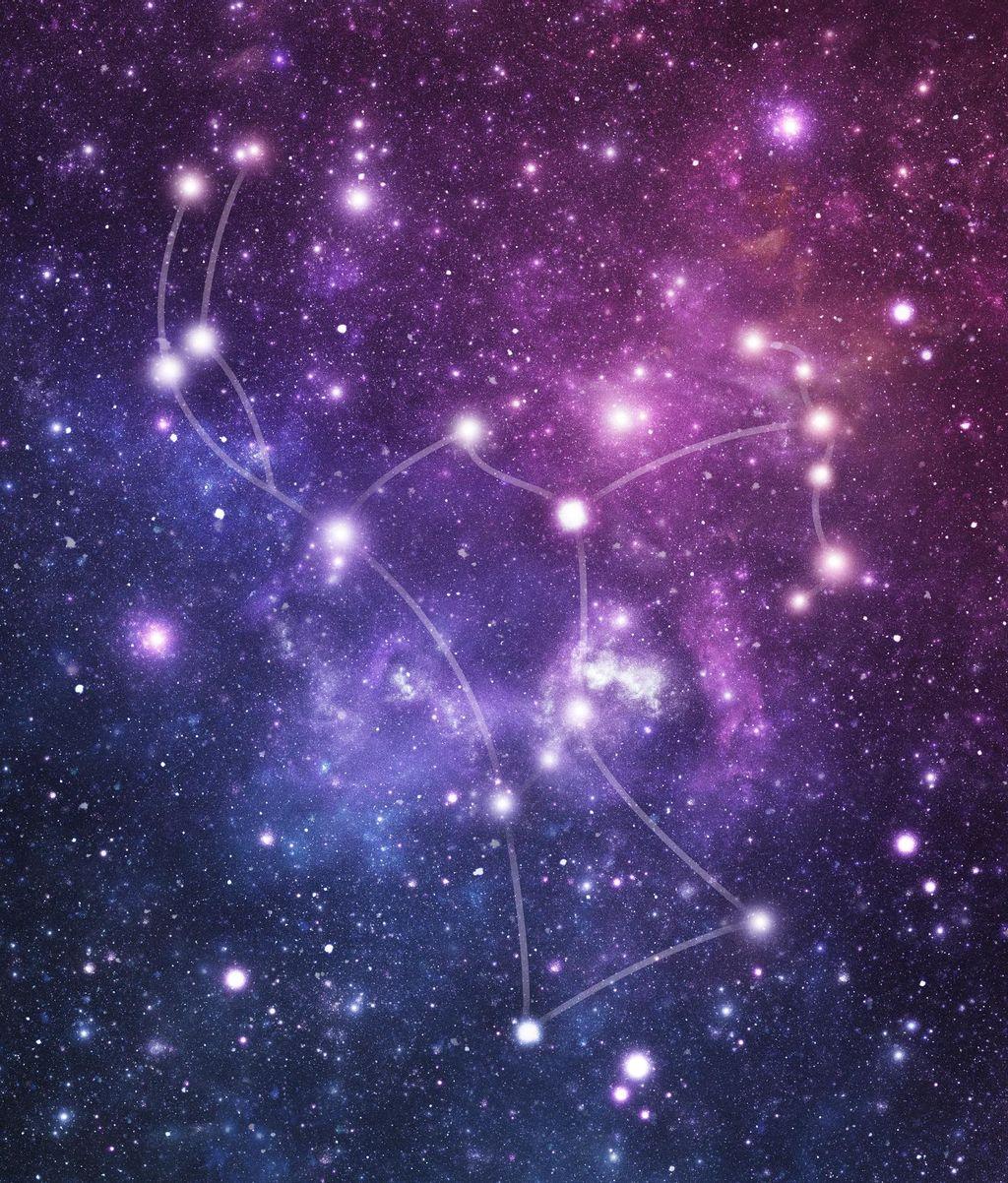
The grandeur of the universe is such that humans are incapable of fully imagining it. Since the dawn of time, all civilizations have told stories attempting to explain the beauty of that collection of celestial bodies and other elements we call the sky. The human mind seeks similarities on Earth, which is why it is compared to art: it is said that if Orion is the Cathedral of the Firmament, the Orion Nebula (Messier 42) is the Sistine Chapel of the sky.
Nebulas are, according to NASA, "like a picture book of star formation that allows astronomers to study all types and sizes of stars in one place." Specifically, the Orion Nebula represents a typical star-forming environment located 1,400 light-years away in the Milky Way and measures 25 light-years across - relatively small in cosmic terms. Although it may seem incomprehensible - and it is - it serves as a perfect laboratory for astronomers due to its proximity.
Why the Sistine Chapel?

At a glance, under a pollution-free sky, one can clearly observe what is known as 'the Three Kings', a trio of celestial bodies lined up over Orion's Belt. Hanging from it is the Orion Nebula, forming a curious 'T'. The clouds of dust that diffuse into the night create whimsical shapes that ignite the imagination. The stars residing there are young in astronomical terms and exhibit colors ranging from reds to ochres. There are many other nebulas, but this one is the most famous.

The beauty of this natural spectacle conceals the violent process through which stars are formed. The Sistine Chapel is regarded as one of the greatest exemplars of artistic beauty, making this nickname the highest compliment any object could receive. Unknowingly, it attracts the gaze of both experts and amateurs on the darkest nights, awed by what the cosmos has to offer, and how small we feel as humans beneath the deepest universe.