
Your passport has a chip with a secret function, and you didn't know it
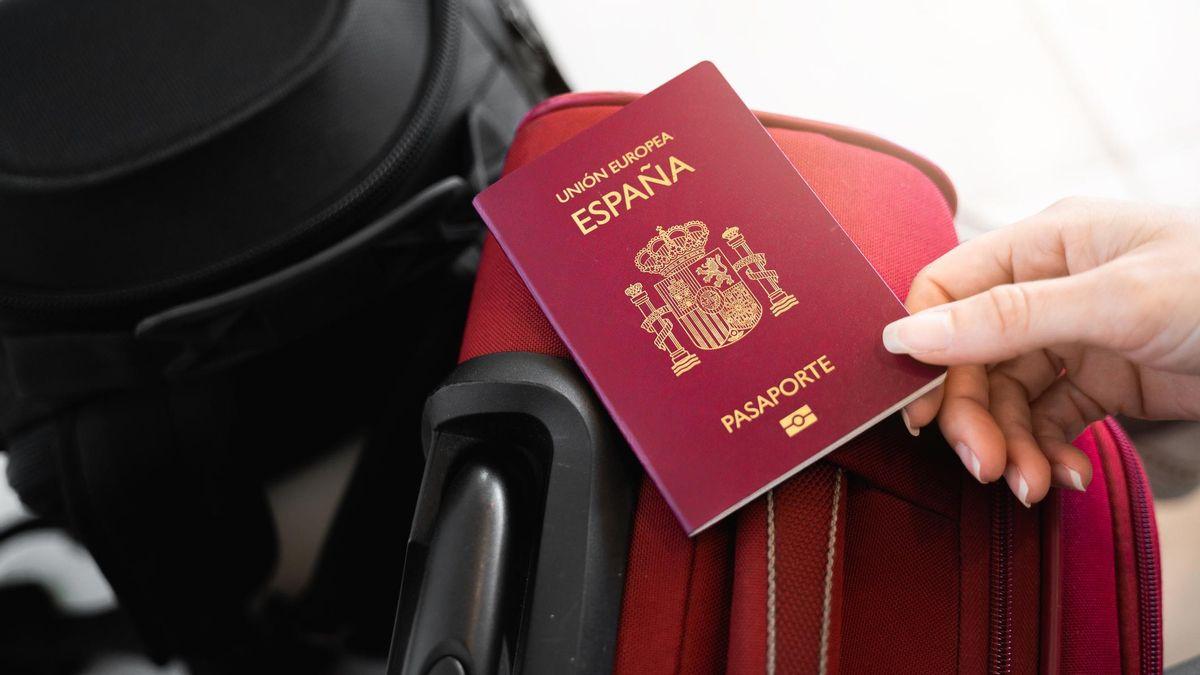

You use it every time you go on a trip, but you've never noticed. And it's no wonder, as it's just a tiny symbol that can be seen at the bottom of the cover of your document to travel abroad. But, far from being just an engraving, this is one of the most advanced security methods in terms of identification.
A type of passport that is already used in almost every country in the world and, in Spain, began to be issued in 2007. It wasn't until 2015 that the one we all take on our travels was officially launched: known as passport 3.0. This new passport model introduced major electronic innovations that have left us astonished (due to our lack of knowledge about its existence, of course).
This new passport, physically, does not have significant differences from its predecessor at first glance: it is rectangular, has a Bordeaux-colored cover, and contains 32 pages ready to be stamped in your next big journey. But the surprising element is the imperceptible embedded RFID chip in the back cover that allows for our identification without the need for contact.
An invisible but very powerful chip

You might already be familiar with it if, in recent years, you've filled out the ESTA form to travel to the United States from your mobile phone. Its app allows you to fill out your basic information in two ways: manually or, if you have a device with NFC technology, by scanning your passport from the back. When you do this, it indicates that three fundamental things are being read: your face, your fingerprints, and your personal data.
Of course, this data is encrypted as it integrates advanced security methods, usually based on a layer of polycarbonate with an embedded electronic circuit. It is within its interior where biometrics are used to authenticate the identity and nationality of its holder, which primarily serves to verify the authenticity of the data contained in the physical passport, making it impossible to forge false identities about you.
What data does the chip in the passport contain about us?
It's not a surprise, but we've all been there; we've skipped over explanations and manuals while requesting our documents without even paying attention to what we're doing. The website of the Police National's Passport and ID indicates clearly on its front page, "All Spanish passports currently being issued are electronic passports, also known as biometric passports."
Or in other words, it has various data about us that you (and we) didn't know could be hidden under a chip. The same website of the Police National details the data that it keeps about us:
- A high-quality digital image.
- Biometric data (or, in other words, a scan of our face and features to be identified)
- Biographical data: information about our ancestors, age, sex...
- Fingerprint data from both index fingers: one of the major security measures for traveling abroad.
If you are as surprised as we are that a mini-chip embedded in our passport can contain so much data about us, think again: this way, you are spared from having anyone on the planet impersonating you in the future.
And, if you are still worried, we can reassure you that the physical passport, without the chip, also meets very high security standards: a paper with new patterns and measures, new watermarks, updated specific holographic components, visible and invisible security measures that react to ultraviolet and infrared lights, or a point of contact linked to the ID, which serves in case of an emergency outside of the United States.