

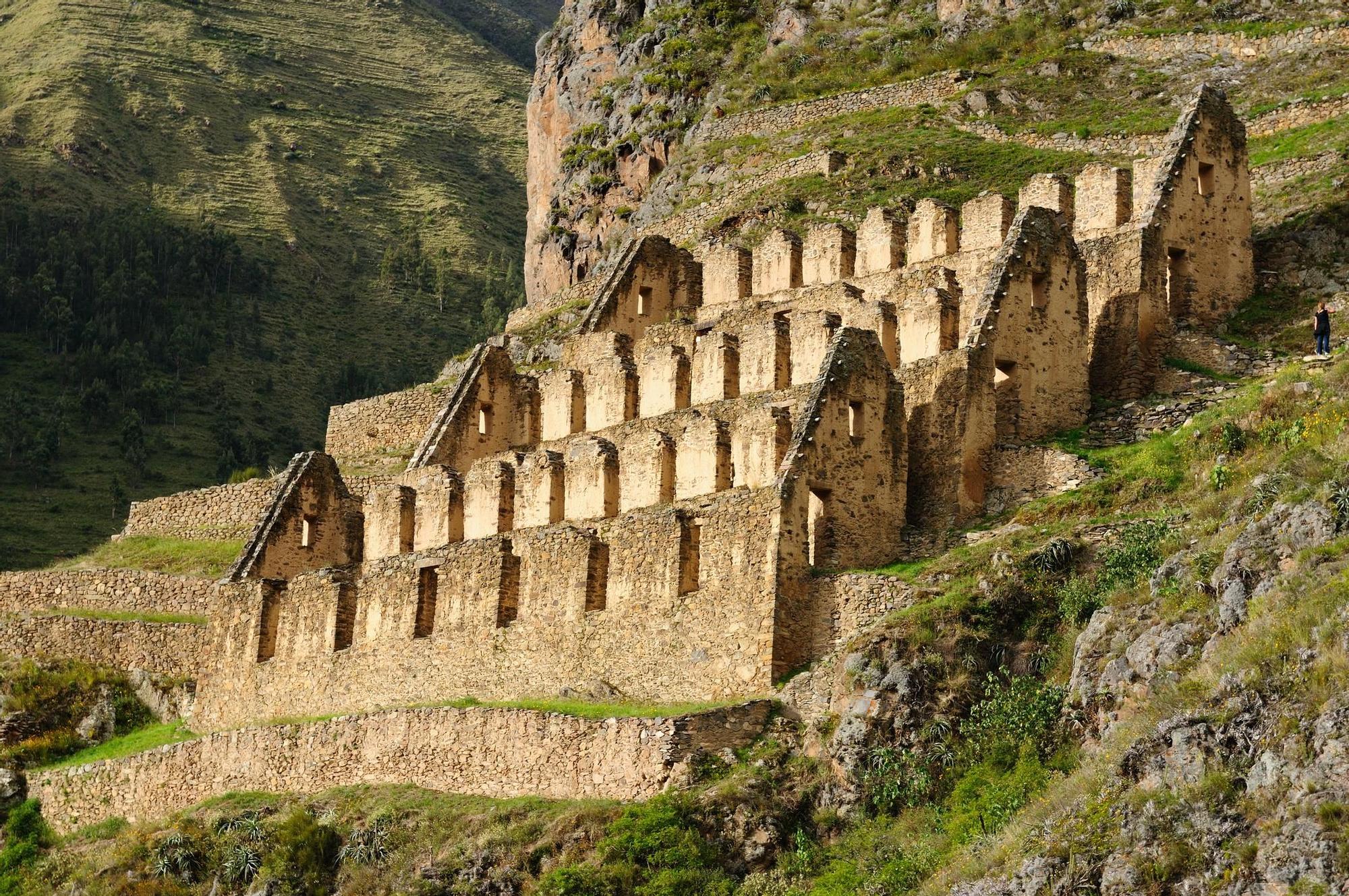
Peru, the heart of the Inca Empire, has been the cradle of many absolutely impressive cultures. The first inhabitants of the region date back 20,000 years, although the oldest remains are from 7,000 years ago, and the earliest cave paintings are about 7,600 years old in Toquepala. The enormous enthusiasm of the ancient Peruvians for large constructions has made the country a very prolific place regarding archaeological sites. The most famous is Machu Picchu, but other notable sites include the Huaca of the Sun and the Moon, Ollantaytambo, Moray, or Q'eswachaka, the last Inca bridge remaining on Earth.
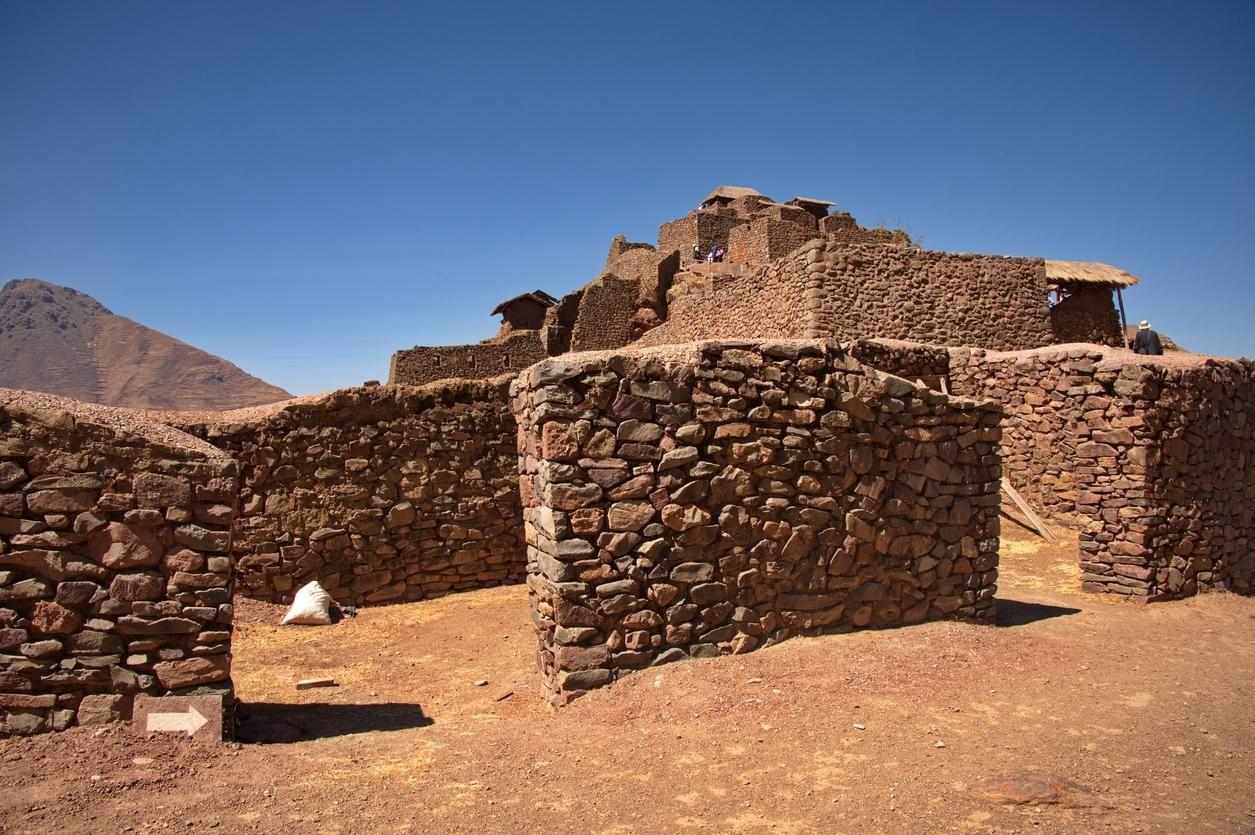
Archaeologists never rest in Peru and have now found, to the northwest, the lost ruins of a ceremonial temple from about 4,000 to 5,000 years ago. The team discovered some walls and then unearthed other remains indicating that this structure indeed had been a temple. Finally, skeletal remains belonging to three humans were found. Luis Armando Muro Ynoñán, director of the Archaeological Project Cultural Landscapes of Úcupe - Zaña Valley, commented in a statement that they found a central staircase that led to a "kind of stage" that likely hosted ritual performances.
In the ruins located in the heart of Peru, images of cats, the claws of a reptile, and a human body with the head of a bird can be seen, preserved in "fine plaster." Additionally, near the bodies, they found something wrapped in linen that may have served as an offering to the gods. "This discovery speaks to the early origins of religion in Peru," Muro Ynoñán assured in another statement to the Field Museum in Chicago. He added that they still know "very little" about "how and under what circumstances complex belief systems arose in the Andes, and now we have evidence of some of the earliest religious spaces" in the world.
Closer to Peruvian Culture
The researcher described the findings as "astounding" and believes that it likely contains more information about the inhabitants who preceded the current ones in the region. "Everything we know about them comes from what they created: their houses, temples, and funerary artifacts," he stated. It is also "very surprising" that these structures were found "so close to the modern surface." Muro Ynoñán suggests that perhaps "a large temple was built on the mountainside and we have found a section of it." In that same place, another more recent temple was found, dating from between 600 and 700 A.D., which could belong to the Moche culture.
Next to the buttresses and bases of a large stepped platform, there were also human remains, this time of a child between five and six years old. "Religion was an important aspect of the rise of political authority," the researcher warned. "The people here created complex religious systems and perceptions about their cosmos," he concluded. This finding could thus represent a significant advance in what is currently known about religion and beliefs in ancient Peru, thanks to research funded by the Catholic University of Peru and the University of California Los Angeles (UCLA).