
Pristine Beauty: The 5 Most Impressive Places in the World
Human beings have dedicated almost their entire existence to discovering every corner of the planet we inhabit. This would not be a problem if the act of finding a new enclave did not create countless issues that harm the ecosystem and ultimately destroy natural landscapes. Fortunately, there are still destinations that have not been conquered by humans, where flora and fauna live in peace and tranquility.
On our planet, there still exist remote places that for various reasons have not suffered damage from human hands, but there are also some that were once inhabited or accessible until they were prohibited to preserve their nature, beauty, and life.
Tepuy, Venezuela

These spectacular mountains and rocky peaks in Venezuela are some of the few natural enclaves left untouched by human hands around the world. Their thousands of years of history rise 1,000 meters above a vast jungle, and their difficult access is the main reason why no one has ever reached them. Some of these vertical walls have seen people come close, but fortunately, they have not suffered any damage from human presence.
In this magical destination, there is an endless variety of flora and fauna that can thrive without human interference, allowing for unique species to be found worldwide. Its inaccessibility has created myths and legends about the tepuyes, and we hope they remain intact, like their landscape, for many more years.
Ilha da Queimada Grande, Brazil

Isla da Queimada Grande, better known as Snake Island, is a 430,000 square meter island located off the coast of São Paulo, Brazil. It is known for being one of the most dangerous places in the world where humans have yet to alter its ecosystem.
Here lives the known snake of Queimada Island, scientifically named Bothrops insularis, one of the most venomous snakes in the world. Entry to the island is entirely prohibited for anyone. However, as with everything, there are always exceptions. To enter, one must claim to be a scientist and subsequently receive a special permit from the government.
Lascaux, France
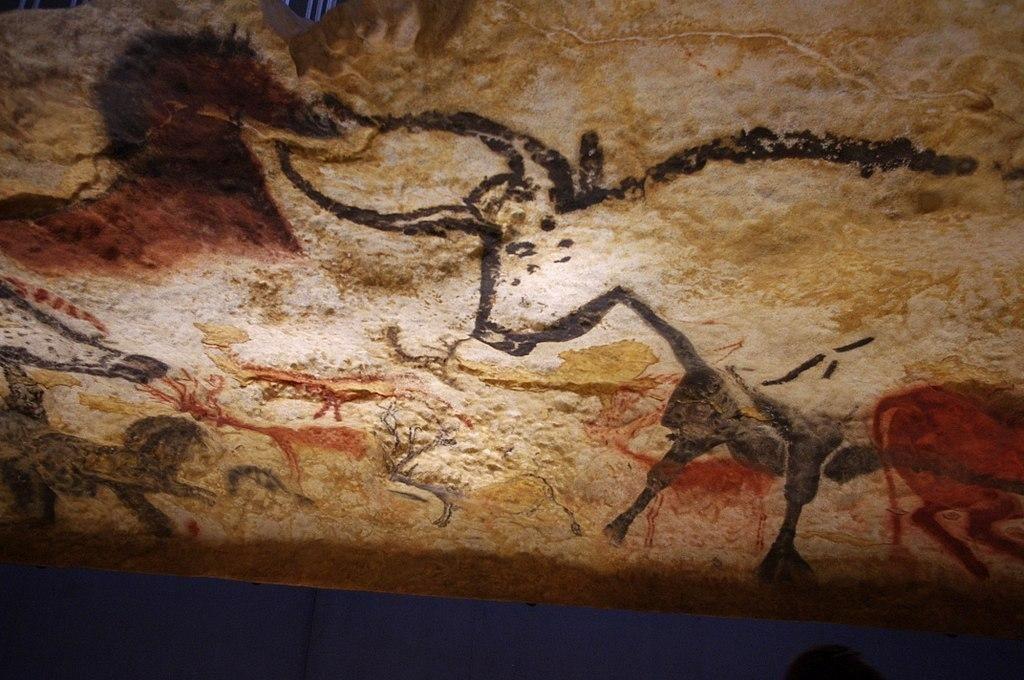
Within the caves lie countless historical secrets that often deteriorate due to tourist visits and research. But this will not happen to Lascaux, a French cave over 15,000 years old that was once open to the public but decided to close in order to preserve its treasures.
Inside this cave are more than 5,000 paintings and 1,000 engravings discovered during World War II, and it was opened to the public so everyone could learn more about ancient history. However, humidity, mold, and excessive visits were damaging the wall interiors, prompting the decision to prohibit visits to keep the essence of this unique destination intact, preventing further human impacts.
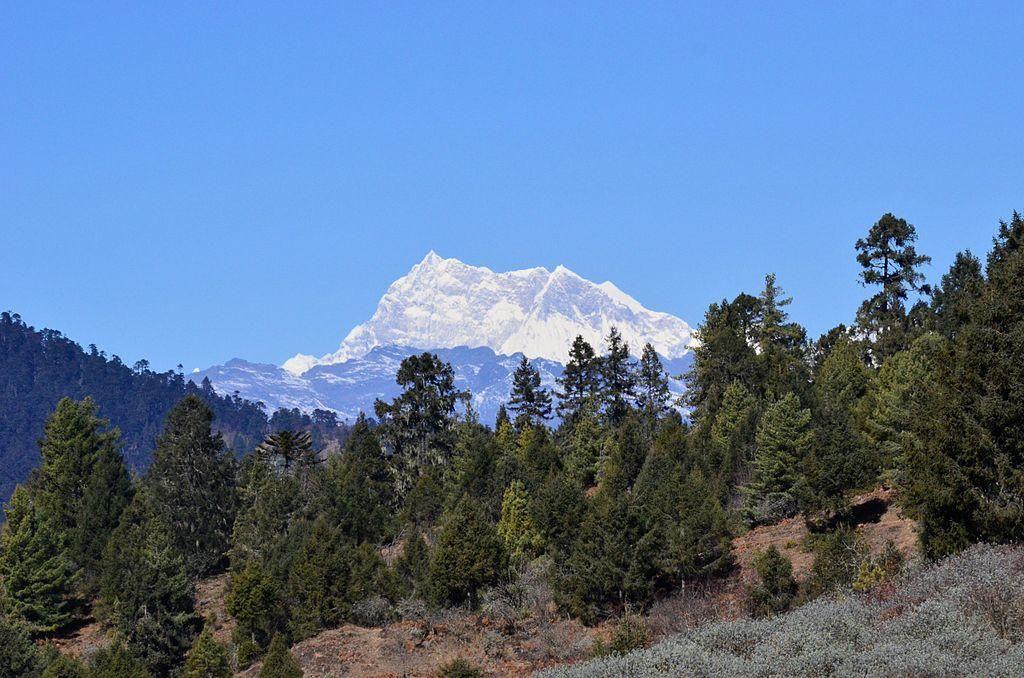
Gangkhar Puensum, Asia

One of the favorite destinations for adventurous discoverers of secret places is the summits of mountains. Humanity has reached practically all the peaks of the tallest mountains in the world, but there are some that remain pristine. Close to Tibet lies Gangkhar Puensum, one of those mountains that humans have not yet climbed.
Many climbers tried to reach the summit, but in 1994, the government prohibited ascents to these mountains, as according to local culture and beliefs, these mountains are inhabited by ghosts and spirits. Thus, it is one of the few tallest mountains in the world that has not yet been conquered and is likely to remain that way for a long time.
Uluru, Australia

One of the most stunning natural wonders of the world is Uluru or Ayers Rock, a giant monolith considered one of the largest on Earth, creating a unique scene at sunset. Previously, this massive rock could be climbed to a final height of 347 meters and endure temperatures of over 45 degrees. But this practice was banned as it is a sacred site for the indigenous people of the area.
Also known as the "Bellybutton of the World," this site banned climbing Uluru in 2017 to respect the traditions and beliefs of the local inhabitants. Thanks to the prohibition of sports or tourism at this destination, its essence has been completely preserved, and it is now considered one of those places deemed forbidden for humans to alter.