
- 1. Introduction
- 2. Introduction
- 3. Golden Frog of Monteverde (Incilius periglenes)
- 4. Western Black Rhinoceros (Diceros bicornis longipes)
- 5. Giant Tortoise of Floreana Island (Chelonoidis niger)
- 6. Yangtze River Dolphin (Lipotes vexillifer)
- 7. Imperial Woodpecker (Campephilus imperialis)
- 8. Christmas Island Bat (Pipistrellus murray)
- 9. Extinct Animals
Introduction
Introduction
In the last 10 years, 160 species of animals and plants have gone extinct according to the International Union for Conservation of Nature. Climate change, hunting, fishing, and environmental exploitation are some of the causes that have led to their disappearance. However, in the collective imagination, there are some species that still seem present to us, but unfortunately, they no longer walk the planet. Here, we will uncover some of them:
Golden Frog of Monteverde (Incilius periglenes)
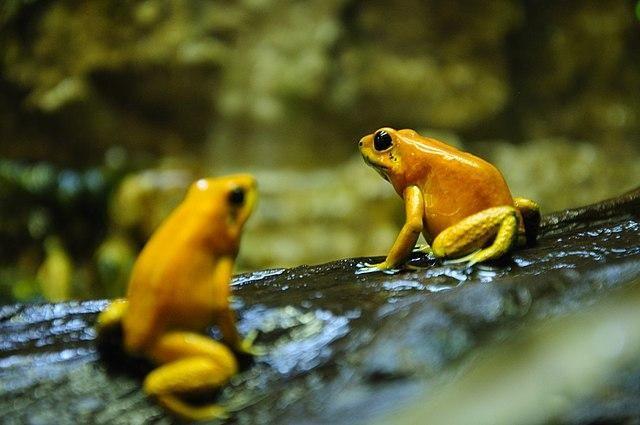
One of the most characteristic animals of Costa Rica is the frog; in fact, if someone close to you has gone there, they surely brought you back a magnet or a keychain in the shape of a frog. The Golden Frog of Monteverde was a small orange species that disappeared 20 years ago. The main causes of its extinction were climate change and chytridiomycosis (a fungus that affects amphibians and has caused the extinction of other species).
Western Black Rhinoceros (Diceros bicornis longipes)

This animal, which used to inhabit West Africa, was declared extinct by the International Union for Conservation of Nature in 2011. The most significant cause of its disappearance was poaching.
Giant Tortoise of Floreana Island (Chelonoidis niger)

In the Galápagos Islands, Ecuador, one of the largest tortoise species in the world could be found, weighing nearly 420 kg. Although it was believed that the Giant Tortoise of Floreana Island had gone extinct in the 20th century, recent discoveries have revealed the existence of turtles with hybrid genes. This means that some turtles contain genes from the Giant Tortoise of Floreana Island, suggesting a possible continuation of their lineage. Overexploitation and invasive species were the main causes of its extinction.
Yangtze River Dolphin (Lipotes vexillifer)

The extinction of this dolphin that lived in the Yangtze River was officially declared in 2006. Habitat loss due to pollution, unregulated hunting, and collisions with vessels were the reasons behind the species' extinction.
Imperial Woodpecker (Campephilus imperialis)

In the highlands of the Sierra Madre Occidental of Mexico, this species that was a symbol of the area inhabited. Although there have been unconfirmed sightings since the species was declared extinct, woodpeckers will always live on in the character "Woody Woodpecker."
Christmas Island Bat (Pipistrellus murray)
Also known as the flying fox, it was the only native mammal species left on the Australian island until its extinction in 2009. The causes of its disappearance are unknown, although it is suspected that the main reasons were habitat alteration and the introduction of invasive species.