
- 1. Six Spanish Inventions That Have Made Travel Easier
- 2. Galleon, Albrecht Dürer, 16th Century
- 3. Caravel, Henry the Navigator, 15th Century
- 4. Autogiro, Juan de la Cierva, 1923
- 5. Submarine, Narcís Monturiol, 1859
- 6. Talgo, Alejandro Goicoechea, 1941
- 7. Cable Car, Leonardo Torres Quevedo, 1887
- 8. A Virtual Museum with Activities
- 9. The New Citroën C4, the Main Attraction
Six Spanish Inventions That Have Made Travel Easier

The virtual doors of the first museum created on a social network have opened. It is an innovative virtual gallery that also responds to the new paradigm imposed by the virus, where well-being and comfort have become more important than ever. Here, you can find up to 50 inventions, all Spanish, known for their design and comfort, which ultimately have made our lives easier.
We have compiled some of the Spanish inventions that have facilitated the world of travel. Will you join us in discovering them?
Galleon, Albrecht Dürer, 16th Century

A galleon is a sailing vessel used since the early 16th century. Galleons were powerful and slow warships that could be used for both trade and war. At the Comfort Museum, we learn that although they were not very fast, their reliability and firepower allowed both the great armies of the Spanish Empire and its merchants to dominate much of the map, in addition to being the most comfortable and spacious vessel at a time when the sea was practically the only possible route for great intercontinental journeys.
Caravel, Henry the Navigator, 15th Century
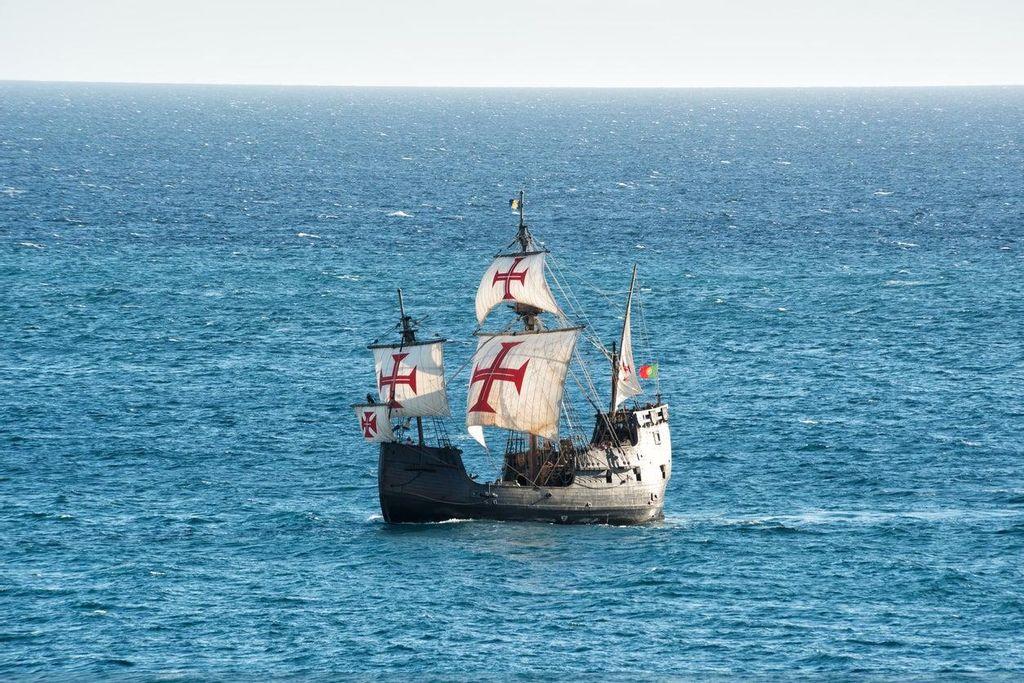
You have probably heard about the vessels used by Columbus on his journey to the Americas, as the narrow and elongated shape of these ships was ideal for enduring long exploratory voyages.
Autogiro, Juan de la Cierva, 1923

Juan de la Cierva, besides being an aeronautical scientist, engineer of canals, roads and bridges, and aviator, was one of the great inventors of our country. We owe the comfort of one of the most practical modes of transport ever invented to him, as he was a precursor of the helicopter.
Submarine, Narcís Monturiol, 1859

In the mid-19th century, it was a Catalan engineer, intellectual, politician, and inventor, Narcís Monturiol, who decided that it was possible to travel beneath the sea. Yes, the first submersible ship is Spanish.
Talgo, Alejandro Goicoechea, 1941

At the Comfort Museum, we learn that Alejandro Goicoechea focused on reducing the weight of trains to gain speed, practicality, and of course, comfort. Spain hit this historic milestone in the mid-20th century, and soon half the world adopted the technology that connected the peninsula.
Cable Car, Leonardo Torres Quevedo, 1887

Initially, Torres Quevedo, known as the Spanish Da Vinci, designed the cable car in 1887 to overcome a height difference of 200 meters. But that clever invention has traveled the world, making feats like crossing Niagara become a comfortable attraction that is still in operation.
A Virtual Museum with Activities

Like any reputable museum, it includes activities such as guided tours and talks on design trends. With these proposals, the museum aims to provide a virtual meeting place where lively debates can take place, and access the opinions of experts like Marisa Santamaría, researcher, educator, and trend communicator.
The trends in motion, 'the movements of trends,' will analyze the new challenges and destinations of design as the main focus of the evolution of human life in today's various ecosystems and environments. To further emphasize its open willingness, the museum has also planned a competition aimed at young designers, who will focus on creating a product that can make everyone's life more comfortable, more details of which will be provided soon.
The New Citroën C4, the Main Attraction
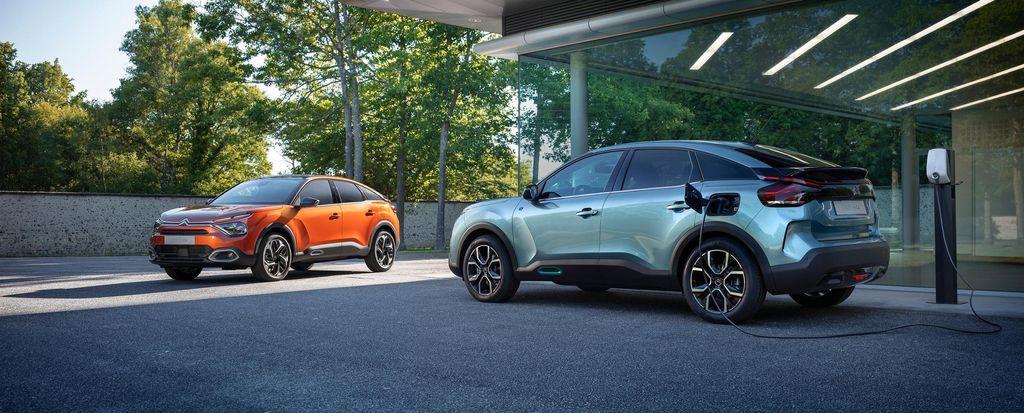
This Comfort Museum has been created to showcase the new Citroën C4, a car manufactured entirely in the Madrid neighborhood of Villaverde. It is one more of the great 'Made in Spain' creations that this unique virtual museum treasures.
The interior design of Citroën models is a significant hallmark, but additionally, this new model not only provides comfort but also dynamism and pleasure when driving the vehicle. In its design, aimed at facilitating life, solutions such as Citroën's exclusive Smart Pad Support, an adjustable holder designed to accommodate all types of tablets and interact with them during the trip; and the electric folding glass roof that floods the interior with light stand out. The New Citroën C4 also has its place in the museum, with its 100% electric version: the New Citroën ë-C4 - 100% electric, which, with a range of 350 km, is adapted to the needs of daily life, also allowing access to restricted circulation areas of cities.