
- 1. The 10 Spanish cities with the best urban public transport system
- 2. 1. Cádiz | Fare per trip: $1.10
- 3. 2. Santa Cruz de Tenerife | Fare per trip: $1.35
- 4. 3. Madrid | Fare per trip: $1.50
- 5. 4. Barcelona | Fare per trip: $2.15
- 6. 5. Pamplona | Fare per trip: $1.35
- 7. 6. Granada | Fare per trip: $1.40
- 8. 7. Málaga | Fare per trip: $1.30
- 9. 8. Salamanca | Fare per trip: $1.00
- 10. 9. Alicante | Fare per trip: $1.45
- 11. 10. Córdoba | Fare per trip: $1.30
The 10 Spanish cities with the best urban public transport system
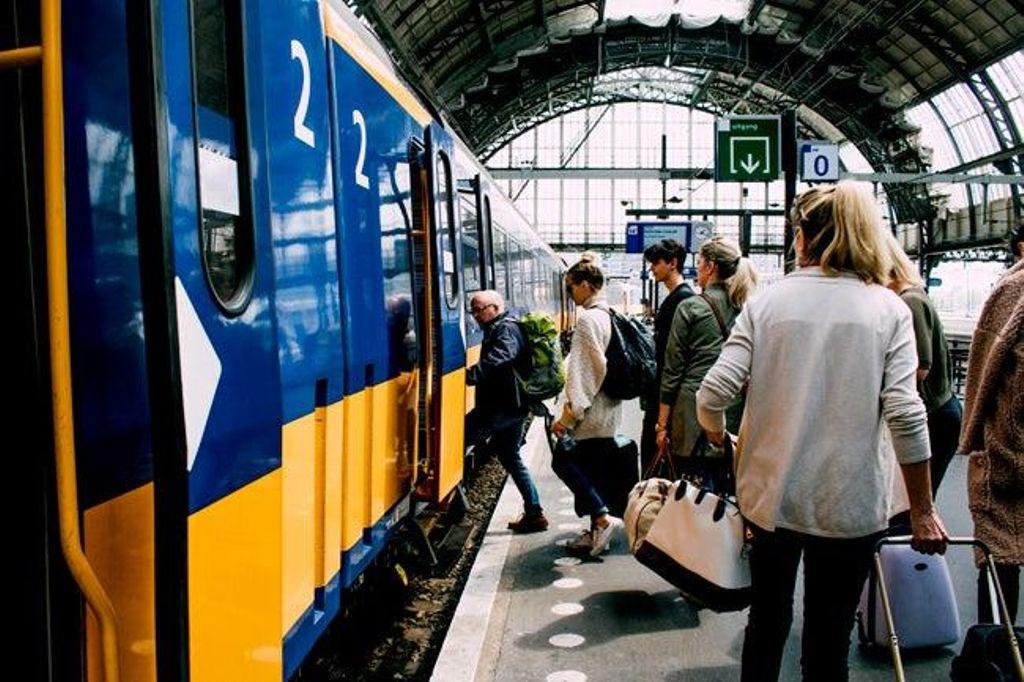
If there is one service that both tourists and locals rely on daily, it is public transport. Whether visiting the most beautiful spots in a city or returning home after an eventful day, we all end up taking the bus, subway, or tram, especially now that autumn is making its presence felt, adding a touch of wind, rain, and cold to your walking journeys. The efficiency of the network can often completely change your experience when visiting a city, either for better or worse, and it is well-known that not all cities have an equally effective system.
We tested the public transport networks of no less than 55 Spanish cities in an extensive and innovative study to create a ranking of the cities with the fastest and most efficient transport systems in Spain based on data, utilizing the technology many of us use for route guidance; Google Maps. After analyzing nearly 5000 peak demand journeys, here are the conclusions.
1. Cádiz | Fare per trip: $1.10

The top spot in the ranking is not taken by either of the two major national metropolises, but by an Andalusian city better known for its climate, coastline, and cuisine than for its transport. However, the data makes it clear; we analyzed a total of 86 peak routes in Cádiz, and moving around this provincial capital takes, on average, 7 minutes and 33 seconds per kilometer, surpassing the speed of Madrid and Barcelona.
The city's geography makes it quite easy, with no major elevations and a shape that facilitates communication between most areas and the center. The percentage of the journey that needs to be done on foot (11.13%) is also, on average, the lowest in the sample. Furthermore, the fare per trip, at $1.10, is among the lowest in the country. In short, the user experience in Cádiz is comparatively the best you can find in Spain.
2. Santa Cruz de Tenerife | Fare per trip: $1.35

The second spot goes to another unexpected city, Tenerife, thanks to the speed of its transport network, which has shown an average duration per kilometer of 7 minutes and 41 seconds for the 167 routes analyzed. This is not surprising, as according to the OpenStreetMap database, it has the highest ratio of kilometers of public transport per inhabitant (7.35 km). Despite its excellent rating, Tenerife's network has an aspect to improve, as it is also the second city in the Top 10 with the highest percentage of walking distance (25.02%). In terms of fare, the trip in Tenerife ($1.35) is slightly below the national average of $1.40.
3. Madrid | Fare per trip: $1.50

The third spot in the ranking goes to the capital, which demonstrates its excellence despite the high demand it faces. After analyzing a total of 163 routes, it has achieved a significantly reduced average travel time of 8 minutes and 24 seconds for the vast number of areas it connects.
The strength of the system, however, is the low percentage of walking distance, at 18.11%, well below the national median of 31%. The fare per trip does not suffer despite the deployment of its infrastructure, as at $1.50, it is slightly above the national average. In short, Madrid can boast an enviable transportation system.
4. Barcelona | Fare per trip: $2.15

Barcelona misses the podium by just 9 tenths, despite offering a system that is slightly faster than Madrid's (average duration: 8 minutes and 12 seconds per kilometer). The reason is its comparatively high percentage of walking distance compared to the capital, at 25.12%, the highest in the Top 10. Another aspect that deteriorates the user experience in the city is the significantly high fare per trip, at $2.15, the highest in our territory. Despite its areas for improvement, the public transport network in Barcelona passes the test and is positioned among the most solid in Spain, which is commendable considering the large number of locals and tourists who use it daily.
5. Pamplona | Fare per trip: $1.35

In fifth place is Pamplona, with an average duration per trip of 8 minutes and 27 seconds per kilometer and a walking distance percentage of 20.31%, significantly below the national median. The capital of Navarra manages to offer a quality service thanks to its 25 daytime bus lines, plus ten nighttime lines. In terms of price, at $1.35 per trip, Pamplona is below the average. Be aware, if you visit the city during the busy Sanfermines, the price rises to $1.60 due to additional lines necessary to meet the increased demand.
6. Granada | Fare per trip: $1.40

Granada can now add to its list of attractions, such as the Alhambra and its magnificent tapas, an efficient transport system, as it takes the sixth place with an average travel time of 8 minutes and 41 seconds per kilometer and a walking distance percentage of just 18.52%. Its figures are quite positive considering that the city's geography doesn't make it easy. The fare remains aligned with the national average and contributes to generating a highly satisfactory user experience.
7. Málaga | Fare per trip: $1.30

The sixth place goes to Málaga, which adds a first-class transport network to its busy international airport. Trips in this coastal city in the south average 9 minutes and 6 seconds per kilometer, requiring a walking distance of 18.82% on average.
One factor greatly contributing to its high efficiency is the extent of its magnificent bus network, the seventh largest in the country with over 1000 kilometers of routes, according to OpenStreetMap data.
8. Salamanca | Fare per trip: $1.00
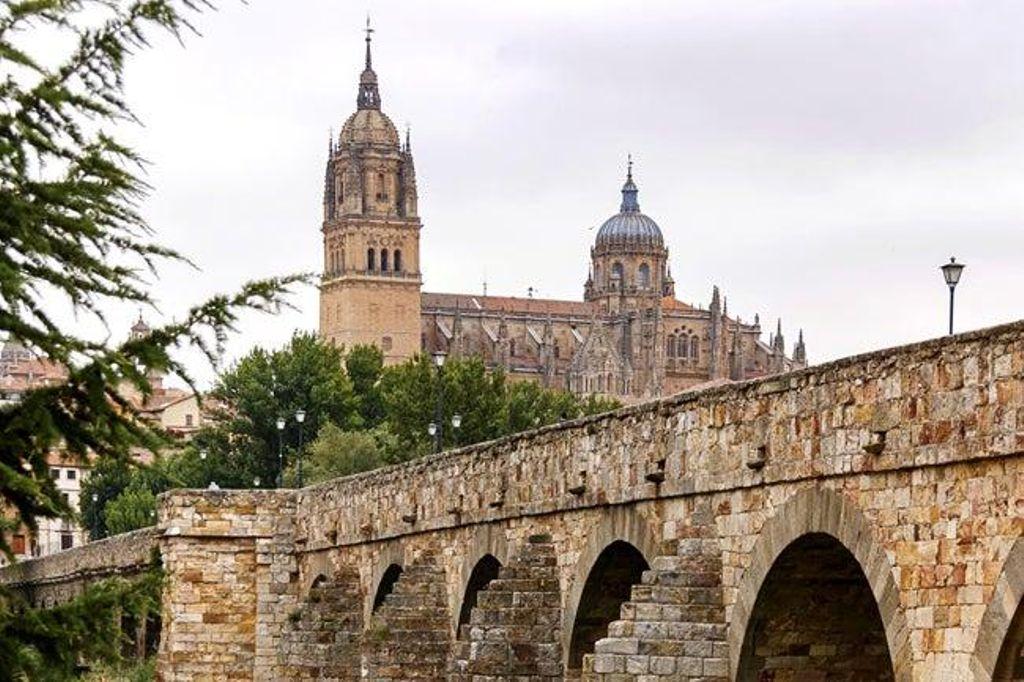
Salamanca can be proud to have one of the most efficient public transport systems in Spain and an extremely low fare per trip. Getting around this beautiful medieval city takes, on average, about 9 minutes and 29 seconds per kilometer. The average walking distance percentage is also below the national average, at 20.32%. Contributing to all this are its 15 urban bus lines, 13 daytime and 2 nighttime, which provided a free service day last month due to European Mobility Week.
9. Alicante | Fare per trip: $1.45

In ninth place is Alicante, with an average travel time of 9 minutes and 38 seconds per kilometer and the second lowest walking distance percentage in the Top 10, only above Cádiz. This Mediterranean city manages to offer a quality service thanks to its combination of urban buses with trams and light metros to provide tailored solutions to each environment. The fare is slightly above average but does not reach that of the capital.
10. Córdoba | Fare per trip: $1.30

We close the ranking with the fourth most efficient urban transport system in Andalusia. In Córdoba, the average travel time on its 15 bus lines is 9 minutes and 32 seconds, making it a slightly faster network than that of Alicante. However, in the caliph city, you must walk 21.52% of the route, which is why it scores below Alicante. It is appreciated to have one of the most efficient systems in the country in a city with significantly high temperatures in the summer months, and even more so at such a low price, the third most economical in the Top 10.