
Best Things to Do:
The City of Adobe Skyscrapers: Welcome to the Manhattan of the Desert
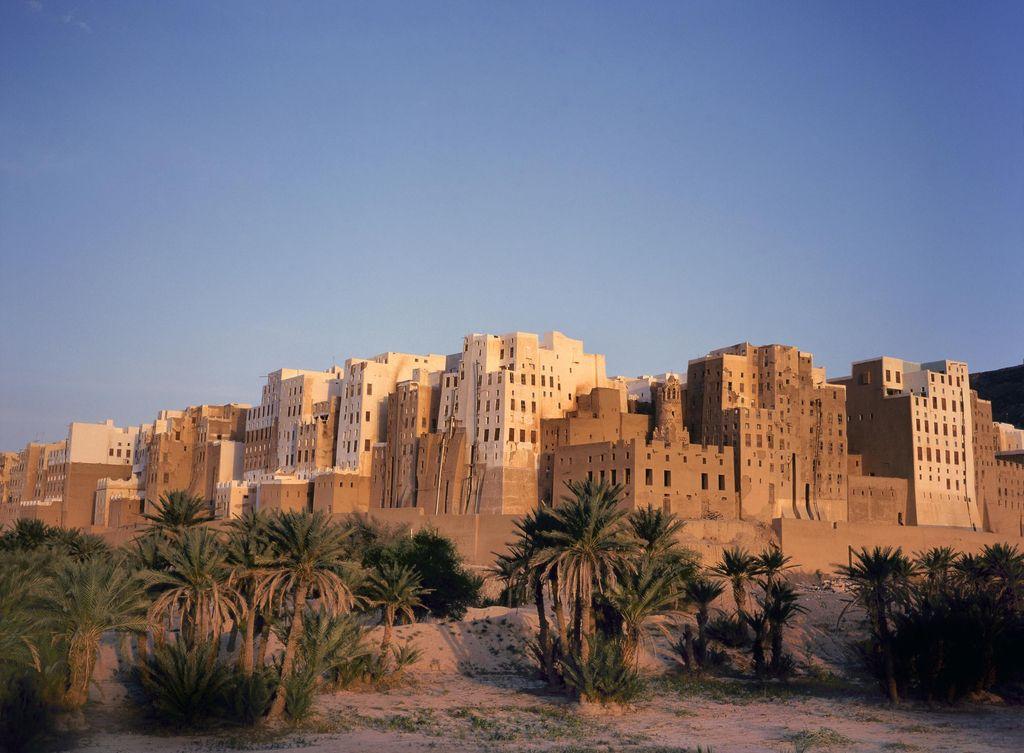
Can you imagine a city where skyscrapers are made of mud? Well, this city exists and it is called Shibam. The town located in Yemen is also known as "The Manhattan of the Desert," as the buildings (which can reach 16 stories high) are constructed from adobe.
The origins of the city date back to the 3rd century A.D., however, there are groups of archaeologists who theorize about an earlier date of establishment. Shibam is located in the Wadi Hadramaut valley, which has been an important trade center in the area for centuries, as the city was part of the incense route. This route connected the Mediterranean with Arabia and southern Asia, passing through cities such as Petra, Alexandria, and Gaza. The territories that formed part of the route grew wealthy from silk, myrrh, spices from India, perfume, and of course, incense.
The City of a Thousand Towers

The buildings in Shibam can have more than eight stories and are made of straw and mud. Despite this, most have stood for more than 500 years and are not supported by internal metal structures.
The nomadic populations living in the Rub al-Jali desert had to find an alternative home in the mid-16th century due to a catastrophe. When a great flood destroyed the settlement, merchants had to come up with a solution to continue living in the area and protect themselves from natural disasters, thus the 500 towers that make up the city of mud buildings were born.
When the city was built, the main purpose of the tall towers was to keep watch for approaching enemies, though it was almost equally important to provide protection to Shibam's inhabitants from floods. It was also significant for accommodating a large number of people in a small space, as the vertical city model allows for maximized usage of space.
Shibam is on the brink of disappearing

The city faces a series of challenges that threaten its existence, and for this reason, UNESCO has designated the Yemeni locality as a World Heritage Site. The main threat to Shibam comes from natural disasters. The extreme desert climate subjects the city to heavy rains and winds at high temperatures that could collapse the adobe structures. Additionally, the armed conflict affecting Yemen since 2014 puts the city at risk.
UNESCO describes Shibam as one of the "best examples of urban planning based on the principle of vertical construction," and in collaboration with other international and local organizations, efforts are being made to maintain the buildings using indigenous materials. The future of Shibam also depends on the third sector, and the city is promoting alternatives for sustainable tourism so that locals can benefit from visitors. Those who have visited Shibam claim they are fascinated by the harmony that exists between nature and a society that has adapted to its environment without corrupting it.