
- 1. The 10 Most Active Volcanoes in the World
- 2. 1. Kīlauea, the most active volcano in Hawaii
- 3. 2. Etna, one of the most famous volcanoes in the world
- 4. 3. Nyiragongo, a massive volcano nearly 3,500 meters tall
- 5. 4. Stromboli, a pure spectacle for the senses
- 6. 5. Volcán de Fuego and its links to the Spanish conquest
- 7. 6. Geldingardalur and the continuous volcanic activity of Iceland
- 8. 7. Mount Yasur, the most accessible active volcano in the world
- 9. 8. Cumbre Vieja Natural Park and the eruption of La Palma
- 10. 9. Colima Volcano, one of the most active in Mexico
- 11. 10. Sakurajima, a true symbol of Japan
The 10 Most Active Volcanoes in the World

Few natural elements are as threatening as volcanoes. Dormant, they seem calm and coexist in perfect harmony with humans, until the force of nature decides to erupt violently from their depths, in a spectacle that terrifies, destroys, and fascinates in equal measure. It is no wonder that many destinations capitalize on their volcanic activity as one of their tourist attractions (for example, Iceland or the Italian region of Sicily). Thanks to Civitatis, we explore the ten most active volcanoes on the globe...
1. Kīlauea, the most active volcano in Hawaii
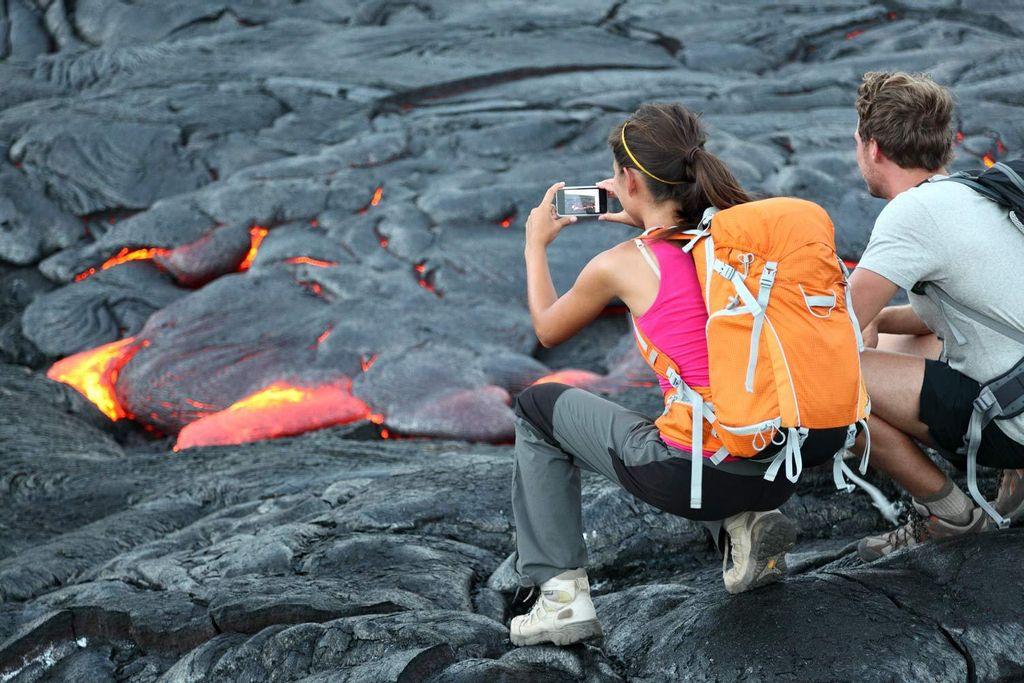
Located in Hawaii Volcanoes National Park, Kīlauea has become one of the most active volcanoes in the world. Standing at an elevation of 1,247 meters, this formation has erupted countless times since historical records began in the late 18th century.
The area is protected as a UNESCO World Heritage Site and, due to the relatively gentle nature of Hawaiian volcanoes, it has become a major tourist attraction.
2. Etna, one of the most famous volcanoes in the world
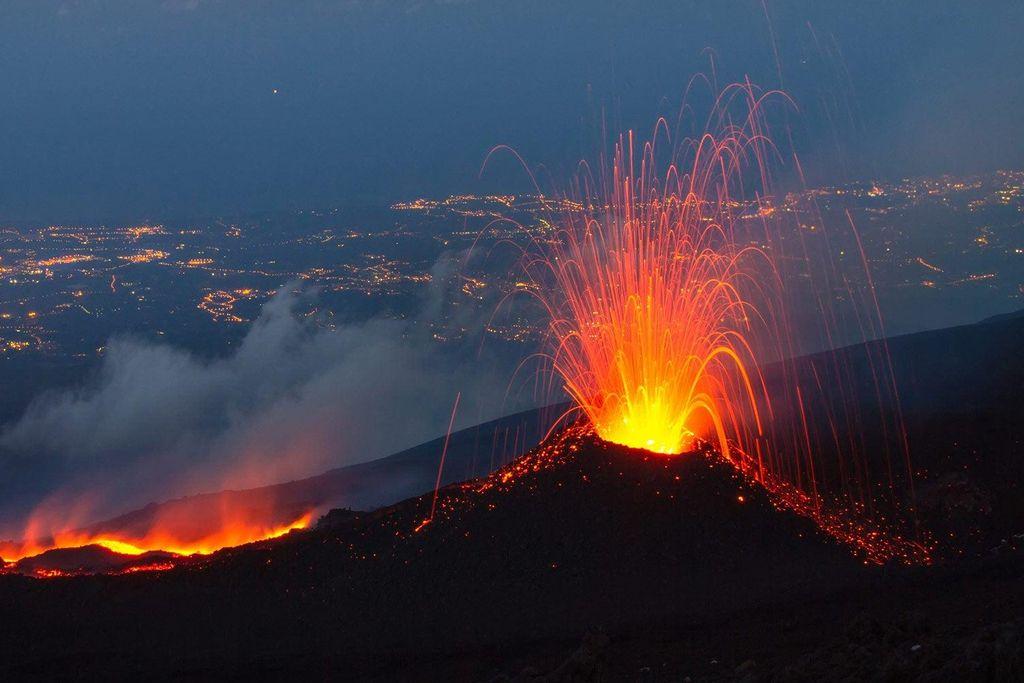
1971, 1981, 1991, 2002, 2004, 2007, 2012, 2018, 2020, 2021... These are the dates of several of the most recent eruptions of Etna. Some of these episodes have been more violent, while others have limited themselves to the expulsion of clouds of gases. One way or another, the east of Sicily hosts one of the most active volcanoes in the world.
3. Nyiragongo, a massive volcano nearly 3,500 meters tall
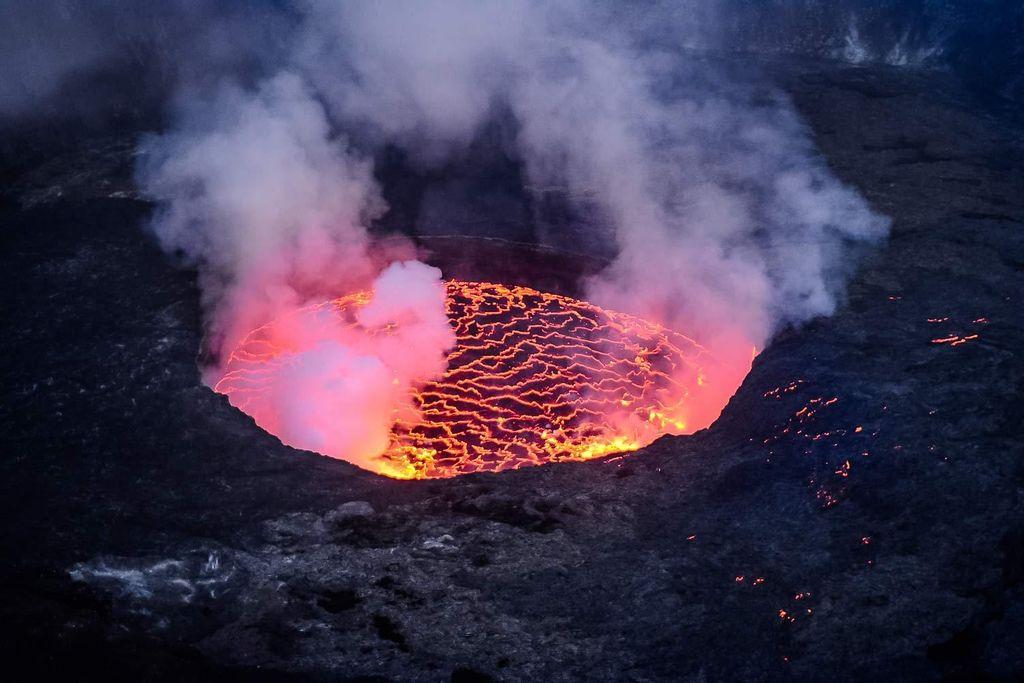
The Democratic Republic of the Congo is home to another of the most active volcanoes in the world. Standing at 3,470 meters, it is part of Virunga National Park. This African formation is notable for its lava lake, a massive magma basin that nears 230 meters in diameter.
Although continuous wars in this area have hindered volcanologists' work, it is believed that its level of danger is increasing and will reach its peak between 2024 and 2027.
4. Stromboli, a pure spectacle for the senses

Stromboli is a small volcanic island located in southern Italy. Here lies an active volcano that has become a major tourist attraction of the Tyrrhenian Sea. From nearby cities like Lipari, Messina, or Milazzo, it is possible to take a boat to explore the waters around this island. The greatest surprise awaits at night, when one can see the lava flowing from the volcano down the slope known as Sciara del Fuoco.
5. Volcán de Fuego and its links to the Spanish conquest
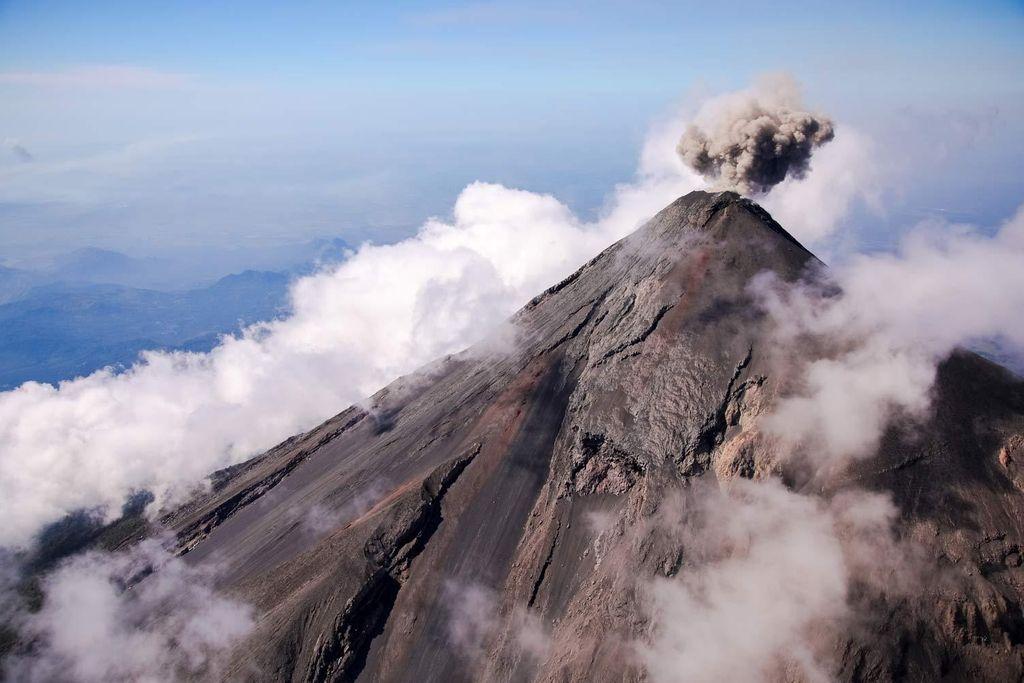
One of the most active volcanoes in the world rises in southern Guatemala. Its eruptions have been violent and continuous, being quite noticeable. In fact, based on some texts from the 16th century, it is believed that the Spanish conquistador Pedro de Alvarado witnessed one of these eruptions back in 1524. Historical records indicate that this formation has erupted as many as 20 times since then.
6. Geldingardalur and the continuous volcanic activity of Iceland
Iceland is one of the first countries that comes to mind for many when thinking of volcanic lands. Who doesn't recall the eruption of Eyjafjallajökull in 2010? Its emissions of smoke and ash led to the shutdown of airspace in much of Northern Europe. However, there are many other examples of aggressive eruptions.
Geldingardalur stands out for its effusive but non-violent nature. Moreover, it is a place of special interest for volcanology as its eruption in 2021 was the first magma emission in the Reykjanes peninsula in almost 800 years. Possibly the beginning of a new era in this area of the country.
7. Mount Yasur, the most accessible active volcano in the world

Vanuatu, part of Oceania, is a country made up of numerous islands. On Tanna, Mount Yasur holds the title of being the most accessible active volcano in the world. Why? On one hand, its size, as it is only 361 meters high. On the other hand, the extensive level of study about the area.
The local government has created a series of alert levels to inform tourists of the best times to visit this volcano and witness the magma safely erupting from the earth.
8. Cumbre Vieja Natural Park and the eruption of La Palma
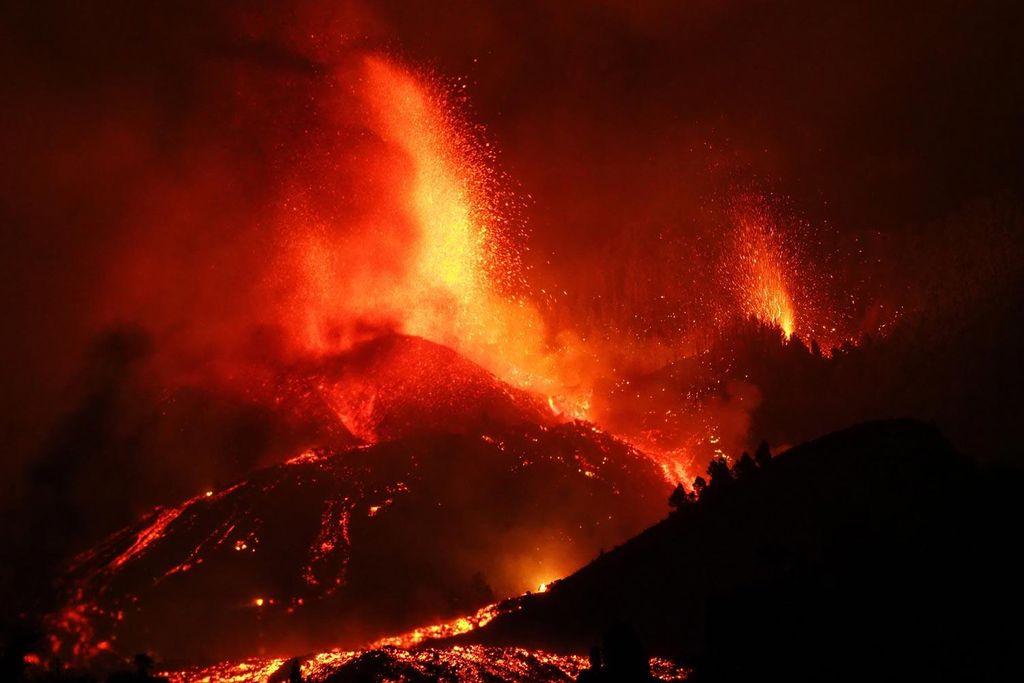
The Canary Islands were formed millions of years ago due to various volcanic phenomena, with the eastern islands being the oldest and the western ones the most recently formed. For this reason, La Palma, particularly the area of Cumbre Vieja Natural Park, is one of the places of greatest volcanic activity in Spain.
The eruption that occurred recently happened half a century after the eruption of Teneguía, which also took place in the Cumbre Vieja range. This demonstrates that the island of La Palma is very active beneath its surface. The malpaíses (as the solidified lava flows are known) that result from these eruptions are among the most typical landscapes of the archipelago.
9. Colima Volcano, one of the most active in Mexico
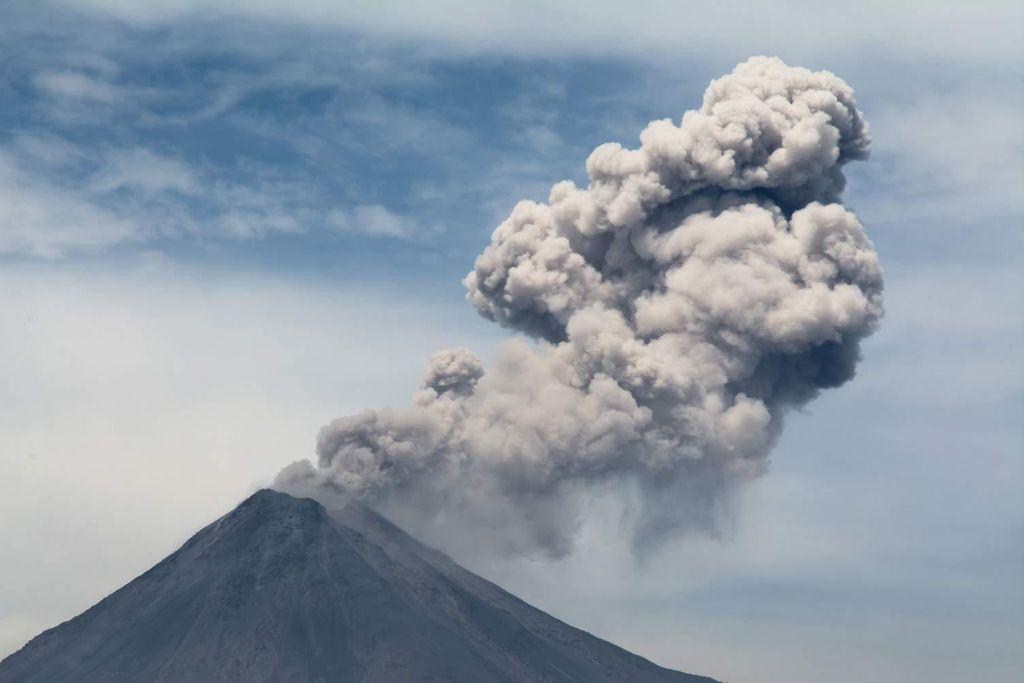
Mexico is also home to volcanoes. Colima Volcano, which approaches 4,000 meters in elevation, is a clear example of this. In addition to its lava expulsions that have occurred in various recent periods, its continuous activity is evidenced by its numerous emissions of smoke and ash. Along with Popocatépetl, it is categorized as one of the most dangerous volcanoes in Latin America.
10. Sakurajima, a true symbol of Japan

Sakurajima, located in front of the city of Kagoshima, is another of the most active volcanoes in the world. There have been not hundreds, but thousands of eruptions in this corner of Japan over the last few decades. Although during the periods of greatest activity the area is closed off to tourists and locals to prevent incidents, during 'volcanic tranquility' it is possible to visit this area and enjoy its hiking trails.
As a curiosity, it is worth mentioning that until 1914, this volcano was on an isolated island. The eruption that occurred in that year caused these lands to join Kyushu, creating the current Osumi Peninsula.