
I've Been Summering in Mallorca for 20 Years, and From This Day On, It's Impossible to Swim Without Getting Stung by a Jellyfish

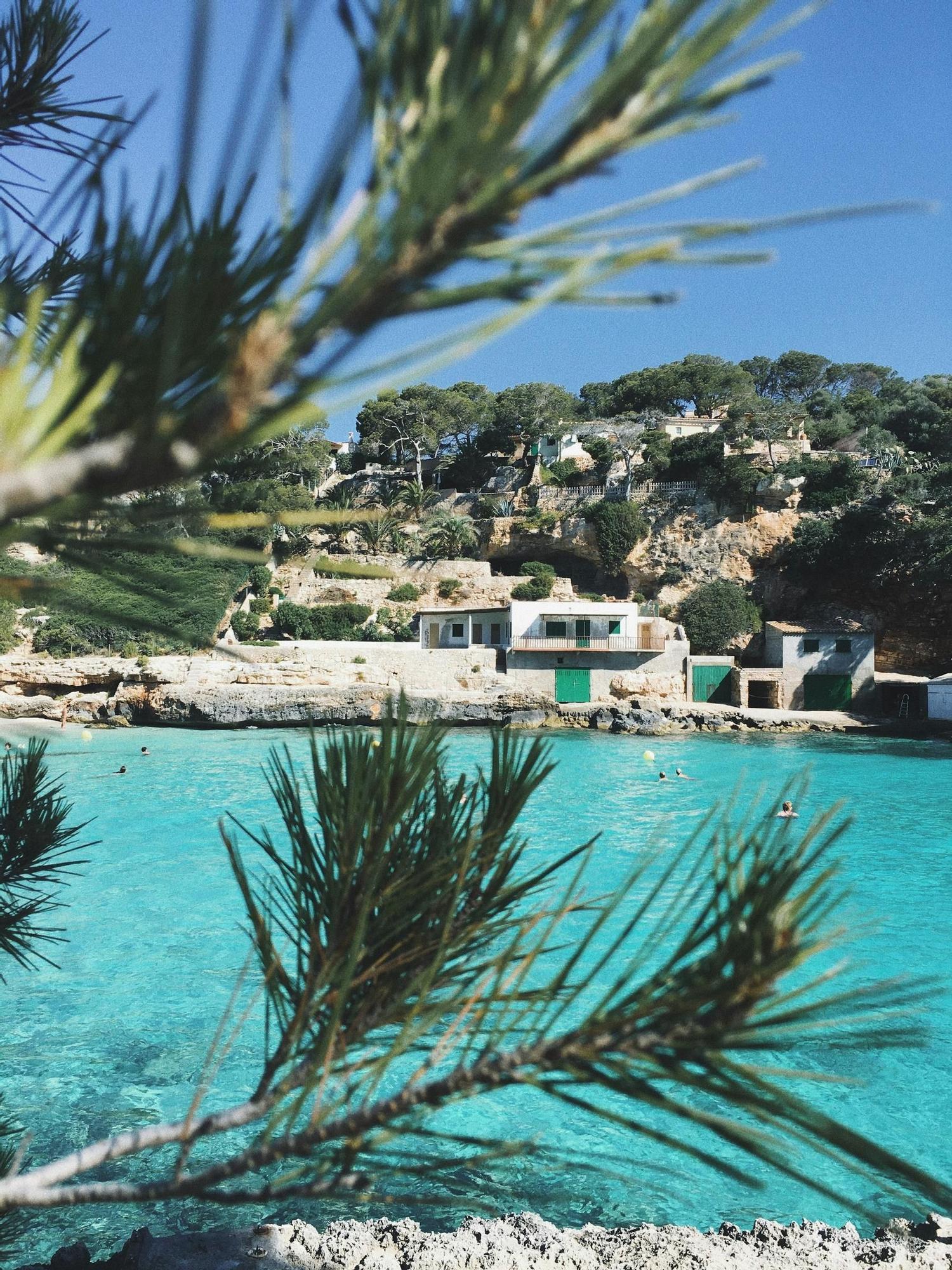
In 2003, we took our first trip on a ferry to Palma de Mallorca. After a lifetime of summer vacations at a family house in northern Spain, the opportunity arose to spend the month of August in the Balearic Islands, and we decided to give it a try. Those weeks in a tiny village, nestled between the Sierra de la Tramuntana and the sea, convinced us to make it our default vacation destination.
Since then, there hasn't been a year we've skipped. There have been years when that village has been the backdrop for millions of adventures that only happen when a group of summer friends comes together; others when we had the privilege of spending the month aboard a boat because our father's sailor friend was on the island; and others, the most, when traveling to Sóller has meant spending a few slow weeks with mountain views.
Although the summers celebrated in Mallorca have been quite varied, there has been one constant that has not changed in the more than 20 years we have been visiting the island: from a very specific day, the shores fill with jellyfish. In my experience, that day is August 15.
Why Do Jellyfish Appear in Mallorca After This Date?
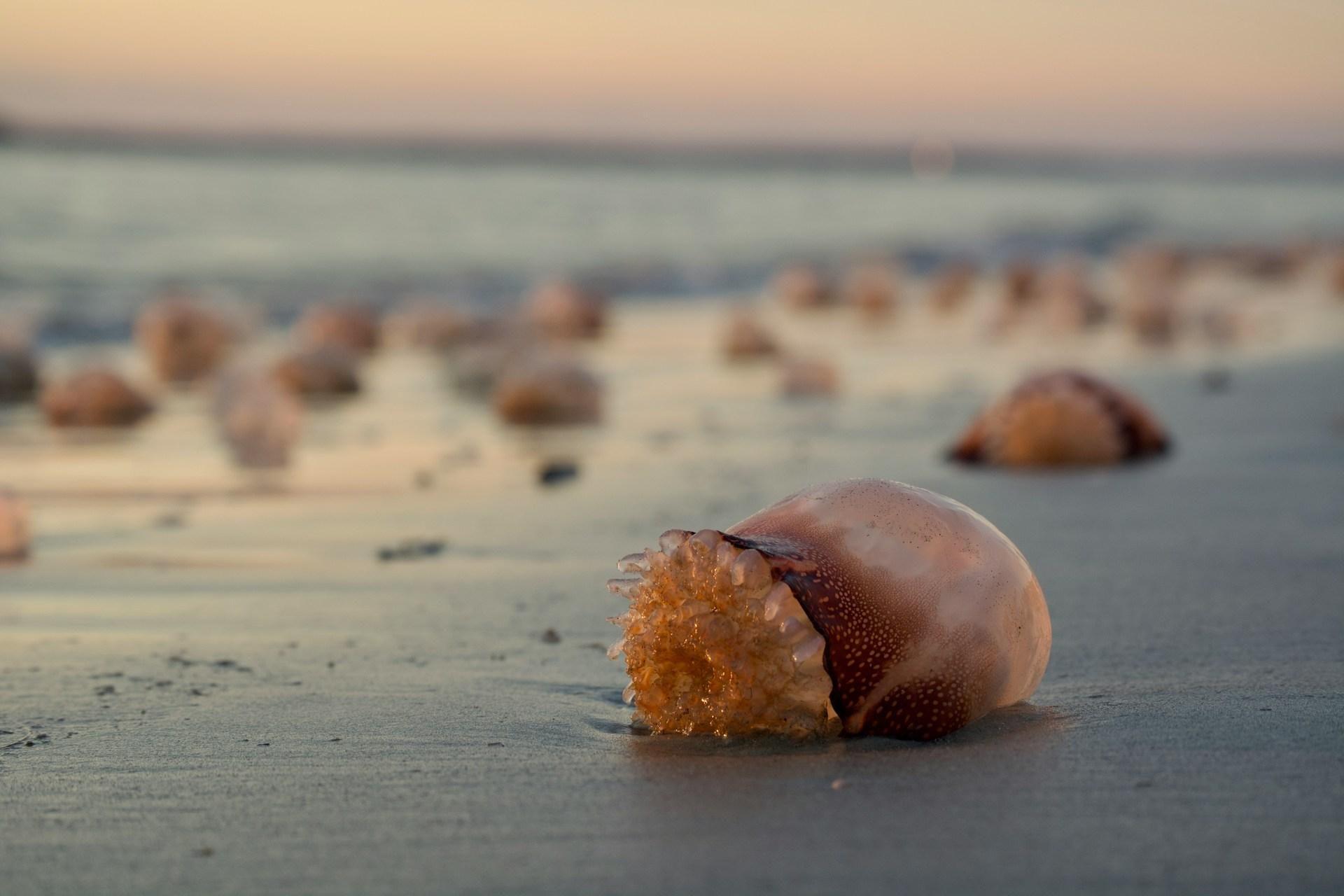
To start with, it's important to note that all of the Balearic Islands have a reasonable richness of marine fauna and flora, which provides a constant food source for our gelatinous friends. But considering this happens throughout the year, why do the beaches start to become overrun with these creatures on August 15?
The answer is quite simple: because of the heat. Many of our grandmothers would tell us that in Madrid, the highest temperature records are usually noted "from Virgin to Virgin", meaning from the Feast of Our Lady of Mount Carmel (July 16) to the Feast of Our Lady of La Paloma (August 15). While it is the locals who defend this unwritten climate norm, something similar happens in Mallorca: temperatures tend to rise to their highest point well into July and do not decrease until September. Therefore, by mid-August, it has been quite hot for at least a month, which creates the perfect breeding ground for jellyfish.
Finally, the factor of rainfall comes into play. Mallorca typically experiences very rainy autumns, followed by a winter and spring with sporadic rain and a very dry summer. By August, we are reaching the time of year farthest from the last rains, and a dry climate encourages jellyfish to approach the coast.
How to Protect Yourself from Jellyfish Stings
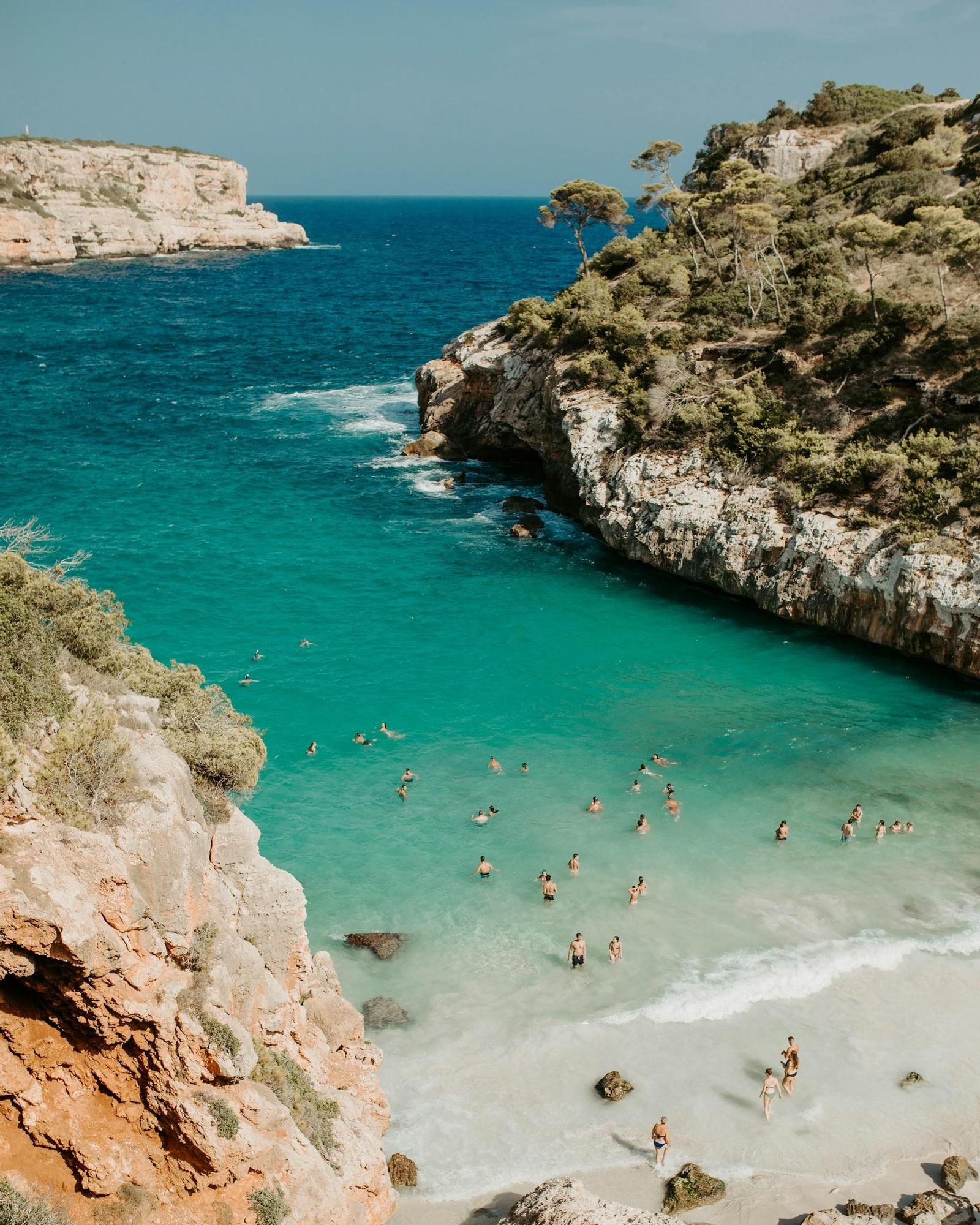
First, caution is essential. If the water is not safe for swimming due to an abundant jellyfish invasion, lifeguards will inform us, and we must respect their instructions. If swimming is not contraindicated, but we believe there might be a possibility of an unpleasant brush with a jellyfish, we can minimize the chances of injury by using a jellyfish-repellent sunscreen and, above all, looking around before diving in. Good diving goggles are key to spotting jellyfish from a distance, as they are usually seen better underwater than from the surface.
What to Do If You're Stung by a Jellyfish
When the damage is already done, it's important to remain calm. The safest remedy is always to approach the lifeguard station, which usually has a first aid kit prepared for these cases.
If this is not an option, a product like Afterbite can relieve itching for minor injuries. And you know what they say: there's no better solution for the pain of a jellyfish sting than urine.