
The map with all the cheeses of the world (and their places of origin)


Traveling is synonymous with discovering new cultures, marveling at breathtaking landscapes, or exploring hidden villages that seem to be pulled from the best of movies. But it is also the perfect excuse to try and enjoy the most exquisite foods from around the globe. And among all the delicacies we can sample on our travels, one delight that can never be missing from our table is cheese.
And yes, we admit it, we are true cheese enthusiasts. We are because it is the perfect complement to any wine, it is the prelude to a good conversation, and few foods stimulate our stomach and brain as much as cheese does, making us want to eat it at all hours and with all dishes. But... how many cheeses are there in the world? We found a map from Taste Atlas that lists all the cheeses you absolutely must try at least once in your life.
A website that literally allows us to travel around the world in search of the typical cheeses found in each area of the globe. In other words: the ultimate guide for cheese lovers who seek to be amazed with new flavors in all their travels. It does so region by region, city by city, and country by country, so we know exactly where to go to try from the most typical cheeses to the most unknown ones.
That's not all we find in this place: there's also a list of the best cheeses in the world, chosen by tourists from all over the planet, which includes two of our top cheeses: manchego cheese and cured manchego cheese, ranking 24th and 36th in the world according to this list. What are the highest-rated cheeses in the world? For this website, the top five are Italian and they are as follows:
1. Parmigiano Reggiano
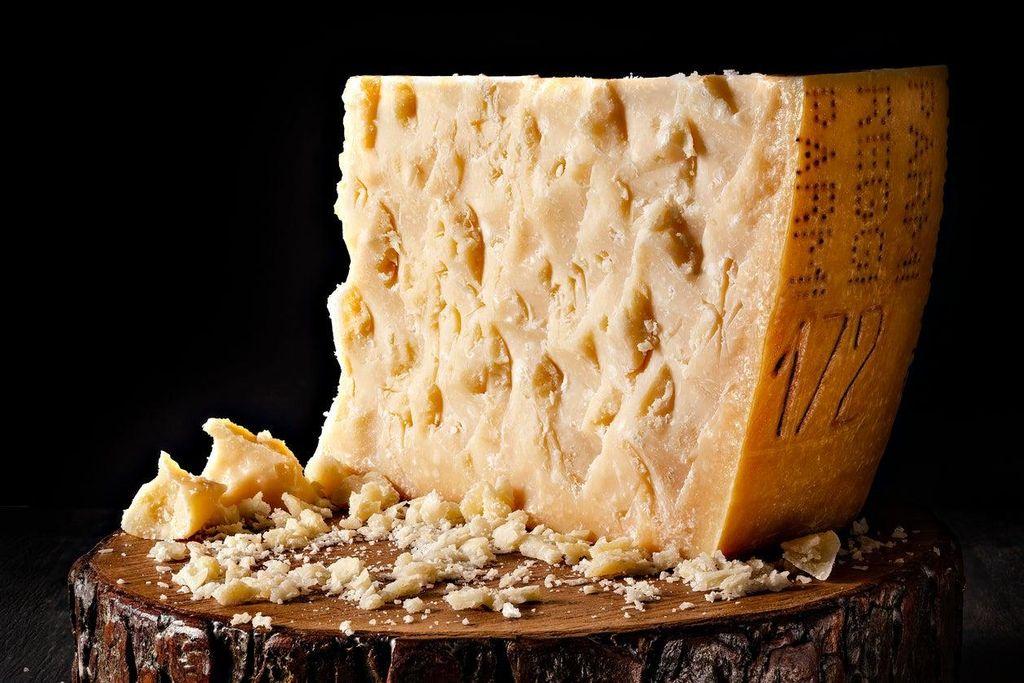
It's no surprise, as it is regarded as one of the highest quality cheeses on the planet. This cheese, Parmigiano Reggiano, is made with raw, semi-skimmed milk from cows that graze on fresh grass and hay. Its origins date back to the Middle Ages, when Benedictine and Cistercian monks reclaimed the wetlands of the Po Valley and began producing this prized cheese, which later took the name of the city of Parma, its birthplace.
Today, it is produced not only in Parma, but also in Reggio Emilia, Modena, Bologna, and the Lombard province of Mantua. The result is a particularly versatile cheese that is an essential ingredient in many classic Italian dishes, but it is also ideal for grating over pasta or serving with crudités, salads, fresh fruit, or nuts.
2. Stracchino de Crescenza
This cheese, also Italian, is typically made with cow's milk, but it can also be made with buffalo milk. Once crafted, we find a cheese that has a creamy and buttery texture, often used as a spread on Italian tables. Its flavors can vary: from milder variations to more creamy and sweet ones.
Today, it is associated with the regions of Lombardy, Piedmont, Liguria, and Veneto, although it was first produced in the Po Valley of Lombardy. The best way to savor this cheese, as recommended, is to pair it with fresh fruit or cured meats along with a glass of fruity white wine. Are you salivating yet?
A fun fact: the name stracchino derives from the word stracca, which means tired, referencing the tired cows that travel up and down the Alps and produce very rich milk that is ideal for making this cheese.
3. Burrata

Burrata, which literally means smeared with butter, is an artisan cheese from the Puglia region in southern Italy, specifically from the provinces of Bari and Barletta-Andria-Trani. The cheese is handcrafted with cow's milk, rennet, and cream. It's believed that the cheese was created by Lorenzo Bianchino Chieppa, a cheesemaker who had the idea to form a shell of stretched mozzarella strips and fill it with a delicious and rich cream with small pieces of leftover mozzarella.
The result was a true delicacy with an ultra-creamy interior and a rich taste of fresh milk, which quickly became extremely popular. Burrata should be eaten as fresh as possible, ideally within 24 hours of being made. It can be served alone, simply seasoned with a bit of salt, pepper, and a drizzle of extra virgin olive oil, but it is also absolutely delightful paired with fresh tomatoes and prosciutto crudo, or as a topping for pizzas.
4. Grana Padano

First produced in the 11th century by Cistercian monks from the Abbey of Santa Maria di Rovegnano in Chiaravalle Milanese, Grana Padano cheese is known as one of the few parmesan cheeses that can compete with the much more famous Parmigiano-Reggiano.
This hard cheese is made from semi-skimmed, unpasteurized cow's milk, and we can find it in all these varieties: Grana Padano, Trentin Grana, and Grana Grattugiato. It is marketed in different states of aging: Grana Padano (9-16 months), Grana Padano Oltre 16 mesi (over 16 months), and Grana Padano Riserva (over 20 months).
Today, Grana Padano is found throughout the Po Valley, that is, in the regions of Lombardy, Trentino-Alto Adige, Veneto, and Emilia Romagna. As the cheese ages, the flavors become more pronounced, tasty, and complex, while the texture becomes even more grainy and crumbly.
5. Mozzarella di Bufala Campana
Although there are many buffalo mozzarella cheeses made with a combination of buffalo and cow's milk, to be labeled as such, the genuine mozzarella di bufala campana must be made 100% from buffalo milk and produced in the region of Campania or neighboring Lazio, in Apulia.
Buffalo milk is known to be higher in calcium and protein and lower in cholesterol, making this mozzarella particularly prized and sought after. Buffalo mozzarella always comes packaged in brine; it has a mild but slightly tangy flavor and pairs well with various Italian antipasti dishes, especially classics like Caprese salad.