
- 1. The 7 Wonders of the World We Never Got to Know: All Their Fascinating Secrets
- 2. The Origin of the List of the Seven Wonders
- 3. Great Pyramid of Giza: The Immortal Colossus
- 4. The Hanging Gardens of Babylon: Reality or Myth?
- 5. Statue of Zeus at Olympia: The Majestic Work of Phidias
- 6. The Temple of Artemis at Ephesus: The Sanctuary That Rose from Its Ashes
- 7. Mausoleum at Halicarnassus: The Origin of the Word Mausoleum
- 8. Colossus of Rhodes: The Guardian of the Harbor
- 9. The Lighthouse of Alexandria: The Light of the Ancient World
- 10. The Immortality of the Wonders
The 7 Wonders of the World We Never Got to Know: All Their Fascinating Secrets
Throughout the centuries, the Seven Wonders of the Ancient World have captivated travelers and historians, who considered them the grandest monuments ever constructed. These majestic structures were described by authors such as Philo of Byzantium, Herodotus, and Antipater of Sidon, who attempted to compile the most impressive achievements of humanity in antiquity. However, of all of them, only one remains standing: the Great Pyramid of Giza. Join us on this journey through the lost wonders and the mysteries that still surround them.
The Origin of the List of the Seven Wonders
The idea of a list of wonders emerged in the 3rd century BC, when Philo of Byzantium compiled a catalog of the most astonishing works of his time. His work, titled "The Seven Wonders," became the ultimate travel guide of the Hellenistic world. Although Philo's list varied depending on the author, the seven wonders most recognized today include:
- The Great Pyramid of Giza, Egypt
- The Hanging Gardens of Babylon
- The Statue of Zeus at Olympia
- The Temple of Artemis at Ephesus
- The Mausoleum at Halicarnassus
- The Colossus of Rhodes
- The Lighthouse of Alexandria
Although there is no "official" list, those we just mentioned are the most recognized for their spectacular nature and historical impact, and it is also worth noting that only one still stands today. But what made each of them so special?
Great Pyramid of Giza: The Immortal Colossus

Built between 2589 and 2566 BC during the reign of Pharaoh Khufu (or Cheops), the Great Pyramid of Giza was the tallest structure in the world for 4,000 years. This majestic monument, standing at 146 meters, remains the only one that has survived the passage of time. Did you know it was covered in white limestone, making it shine from miles away?
The Hanging Gardens of Babylon: Reality or Myth?
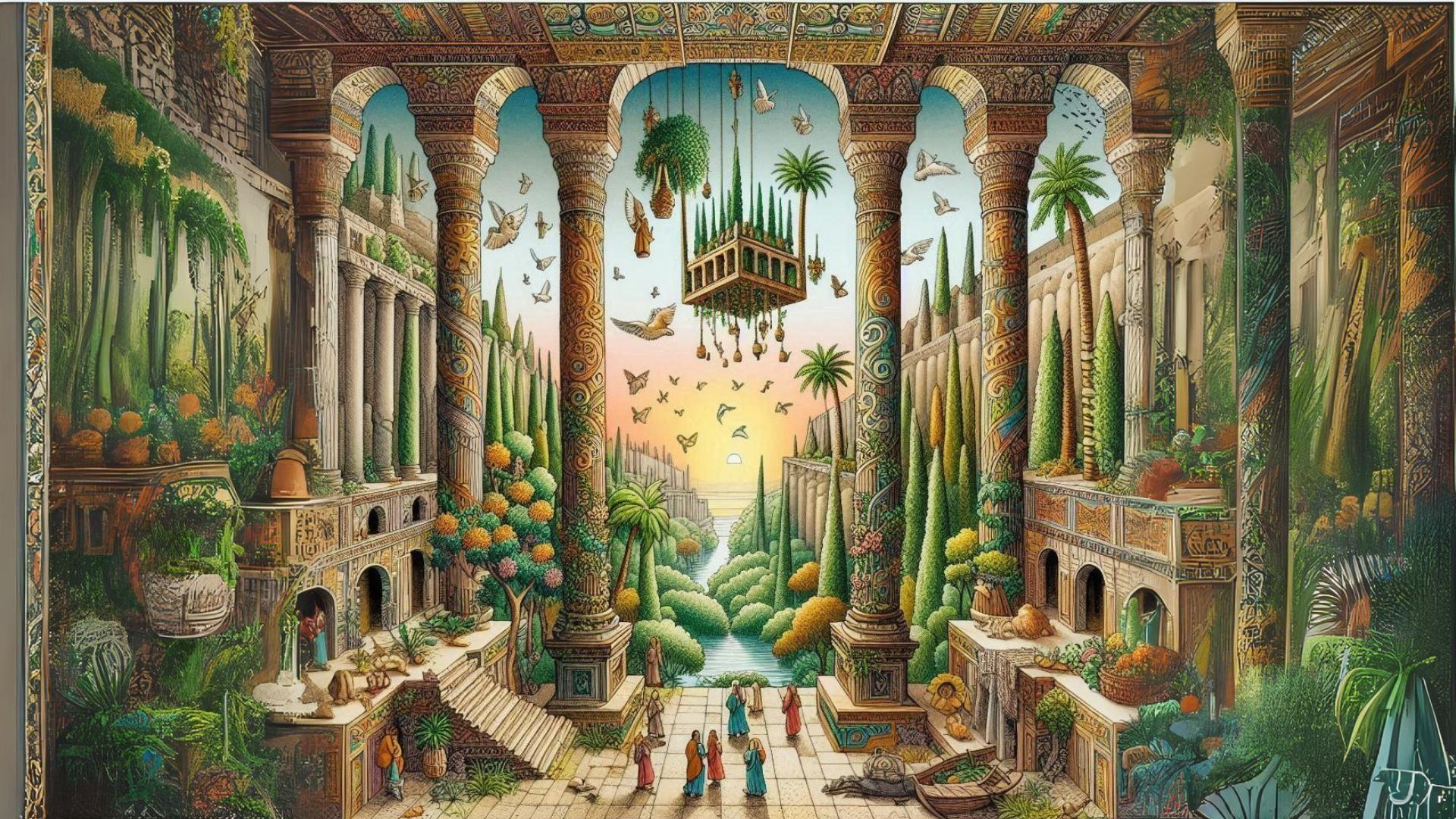
One of the great mysteries of antiquity. The Hanging Gardens were supposedly built by Nebuchadnezzar II for his wife, Queen Amitis of Media, between 605 and 562 BC. Legend has it that the gardens were an impressive engineering feat, with terraces filled with exotic vegetation. However, Herodotus never mentions them, which has led many historians to doubt their existence. Were they a myth or a real marvel that vanished over time?
Statue of Zeus at Olympia: The Majestic Work of Phidias
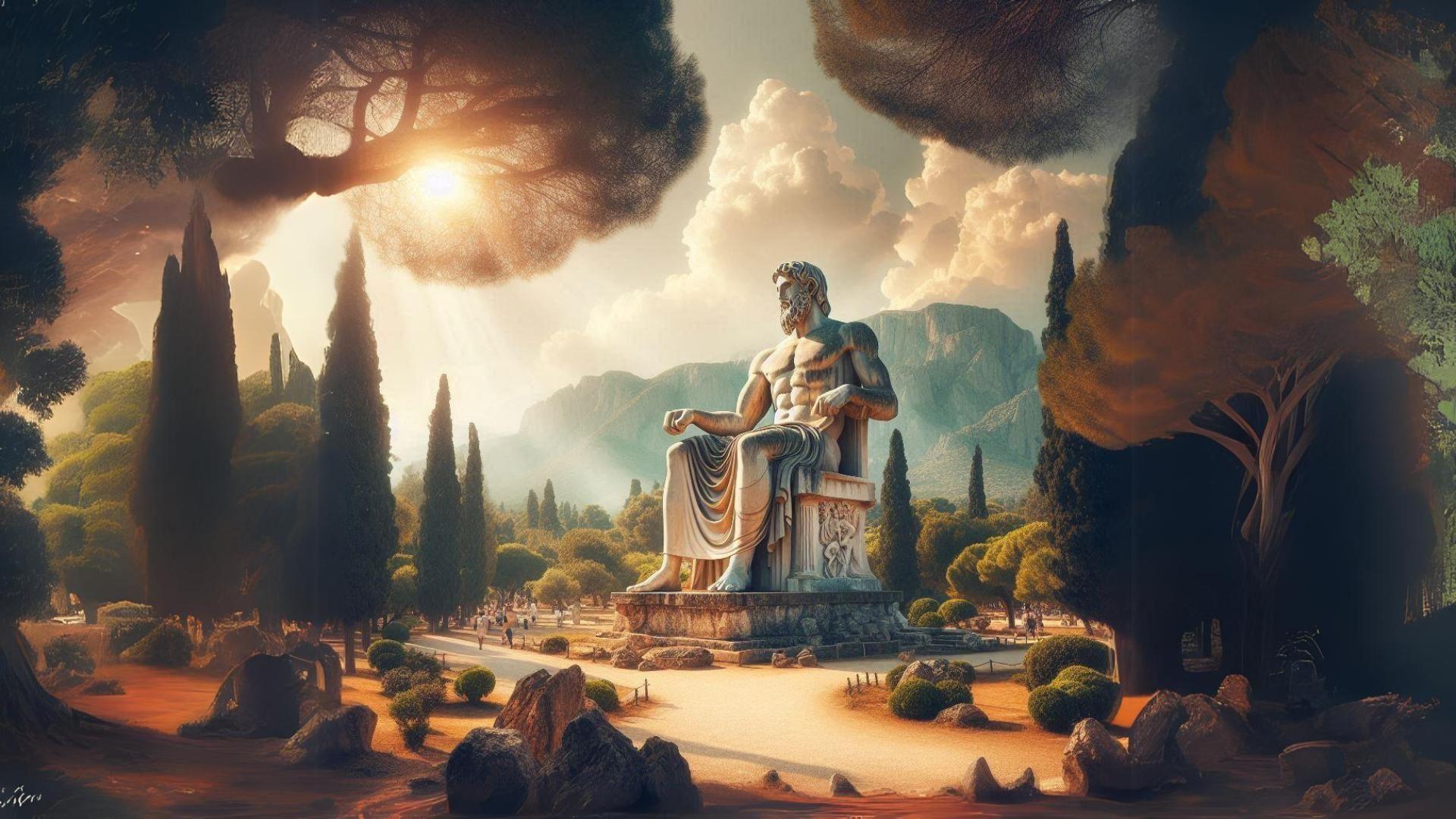
The Statue of Zeus at Olympia, created by Phidias, was one of the most colossal statues of the ancient world, standing 12 meters tall. Made of ivory and gold, this figure of the Olympian god dominated the temple that hosted the first Olympic Games. The statue was destroyed after being transported to Constantinople, but descriptions from the time speak of a work so imposing that it seemed alive.
The Temple of Artemis at Ephesus: The Sanctuary That Rose from Its Ashes

The imposing Temple of Artemis was one of the greatest achievements of ancient Greek architecture. Built in honor of the goddess Artemis, its magnitude and richness made it shine in Ephesus. However, a fire set by Herostratus destroyed the temple in 356 BC. It was later rebuilt but was again destroyed, this time by the Goths and, later, by fervent Christians. Today, only a few remnants of this marvel that once amazed everyone remain.
Mausoleum at Halicarnassus: The Origin of the Word Mausoleum

This monumental tomb, erected in honor of King Mausolus by his widow Artemisia, gave rise to the word "mausoleum." Built in the 4th century BC, its splendor was adorned with finely carved sculptures that immortalized the greatness of the monarch. Destroyed by earthquakes and looters, its remains were reused in the construction of Bodrum Castle, where they can still be seen.
Colossus of Rhodes: The Guardian of the Harbor

The Colossus of Rhodes was a giant statue of the sun god Helios, built after the successful defense of the city of Rhodes against the siege by Demetrius. Standing over 33 meters tall, this wonder impressed all who arrived at the city's harbor. However, an earthquake toppled it in just 56 years. Its remains lay on the ground for centuries, attracting the curiosity of visitors.
The Lighthouse of Alexandria: The Light of the Ancient World

Erected on the island of Pharos, the Lighthouse of Alexandria illuminated the entrance to the harbor of this great Egyptian city. At 134 meters tall, it was one of the tallest structures ever built, guiding sailors with its light visible from 56 kilometers away. Although it disappeared after several earthquakes, the legacy of this monument lives on as a symbol of ancient engineering.
The Immortality of the Wonders
Although only the Great Pyramid has survived the test of time, the other six Wonders continue to capture the imagination of humanity. Their legends, mysteries, and tales of lost splendor remind us of the incredible creative capacity of ancient civilizations. If you have ever wondered what these monuments were like and what made them so special, you only need to imagine how it must have been to see them in all their glory, before time and nature brought about their demise.