
Imminent Danger: AI Discovers a Potentially Hazardous Asteroid for Earth
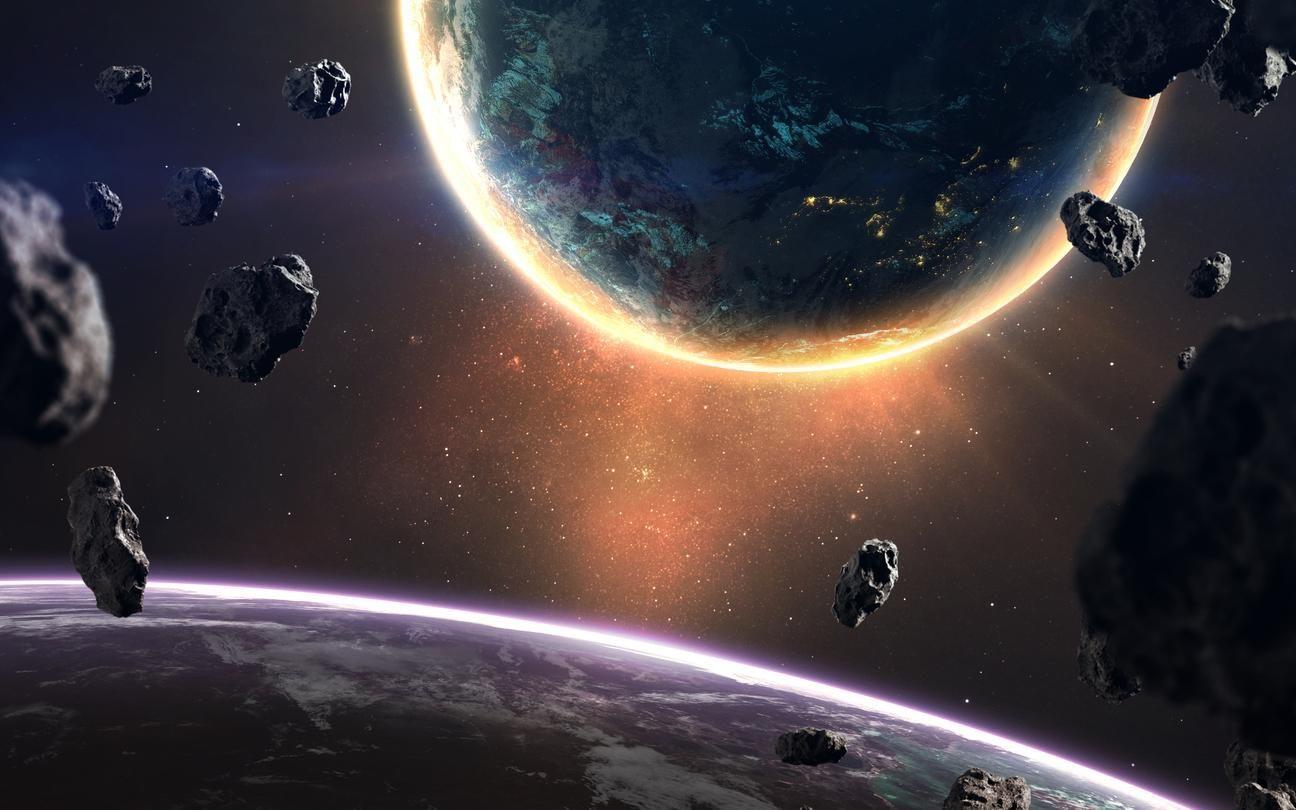

A new AI algorithm designed to detect asteroids has just identified one that could pose an imminent danger to Earth: 2022 SF289. This represents a revolution in traditional asteroid detection methods, which take images of parts of the sky at least four times every night using specialized telescopes.
This is the first time an artificial intelligence has achieved such a feat, and it is expected that many more potentially hazardous asteroids, as well as moving objects flying through our night sky, will be identified from now on. This does not mean we are in greater danger; rather, we will be able to discover these bodies much earlier.
So far, around 2,350 PHAs (potentially hazardous asteroids) have been discovered using specialized telescope systems. As mentioned, this is achieved by taking images of the sky at least four times every night, whereas this new AI algorithm only needs to scan specific points in the sky twice per night.
HelioLinc3D: Detecting Asteroids

The next-generation algorithm, known as HelioLinc3D, is able to detect Earth-close asteroids with fewer and more dispersed observations than current methods require.
Researchers Ari Heinz and Siegfried Eggl have developed HelioLinc3D and have begun initial testing before their system can be fully integrated into the Vera Rubin Observatory in northern Chile. The early data has proven promising. So much so that the discovery of asteroid 2022 SF289 was missed by the ATLAS (Asteroid Terrestrial-impact Last Alert System) funded by NASA.
What Danger Does Asteroid 2022 SF289 Pose?

This new algorithm has accurately identified asteroid 2022 SF289, which measures approximately 180 meters in length and could approach Earth at a distance of 225,000 kilometers. To put this distance into perspective, it is worth noting that the Moon is located 384,000 kilometers away.
This asteroid is considered potentially hazardous because it meets specific parameters set by NASA, but there is no indication that it will collide with our planet in the coming years. Ultimately, it receives this classification because it has come within 7,480,000 kilometers of Earth and measures over 140 meters in diameter.
Thanks to the HelioLinc3D AI software, we will achieve early detection of dangerous asteroids, marking a significant advance for our planetary safety. The collaboration between artificial intelligence and astronomy is crucial for both protecting us and opening new pathways in understanding the universe.