
120 Original Pieces


"This is one of the main cultural events of the year in Spain." This was how the exhibition about the warriors from Xi'an was presented at the recent Fitur fair, which is about to arrive at the Archaeological Museum of Alicante.
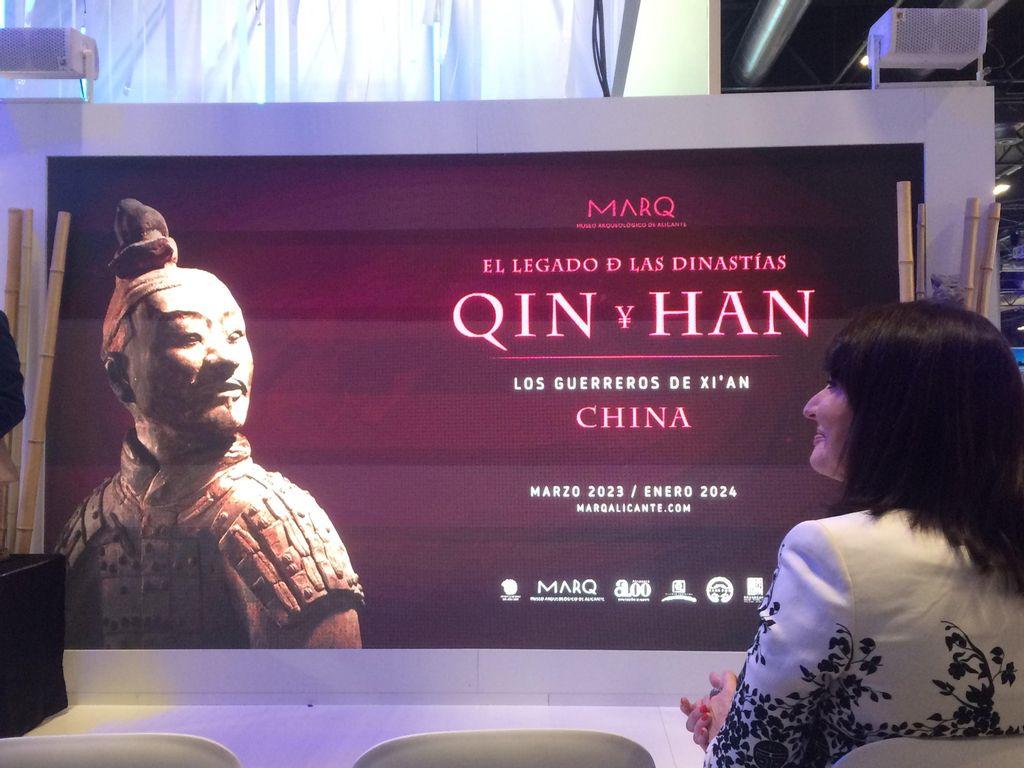
Under the title The Legacy of the Qin and Han Dynasties: The Warriors of Xi'an, China, Spanish and Chinese political and cultural representatives unveiled the exhibition poster at the tourism fair and announced that it will open at the MARQ at the end of March.
This exhibition is one of the most anticipated of the year due to its initial inauguration being planned for 2021 after starting contacts in 2017, but the COVID pandemic disrupted the plans. However, over these two years, officials from both countries have continued discussions to ensure its premiere.
The last visit to Europe by the famous terracotta warriors was in 2018, when some pieces traveled to be displayed at the World Museum in Liverpool. Five years later, in 2023, the warriors return to the continent, making Alicante a unique focal point. The estimated time for their transfer is one month.
The exhibition will open at the end of March and will be at the MARQ until January 2024. This loan from China of some of its valuable warriors coincides with the 50th anniversary of the start of diplomatic relations between China and Spain in 2023.
The Terracotta Warriors Exhibition at MARQ



A total of 120 original pieces from nine museums and departments will be exhibited at the MARQ. Nine terracotta warriors and one horse will be the stars of the show. Together they form a total of 10, the maximum allowed by Chinese authorities for loans to other countries. Replicas of two bronze chariots, along with various audiovisuals, graphics, and multimedia material, will also be on display.
Among the highlighted pieces are a general in armor, a goose figure, a funerary carriage, a kneeling archer, a bell, and an armor.
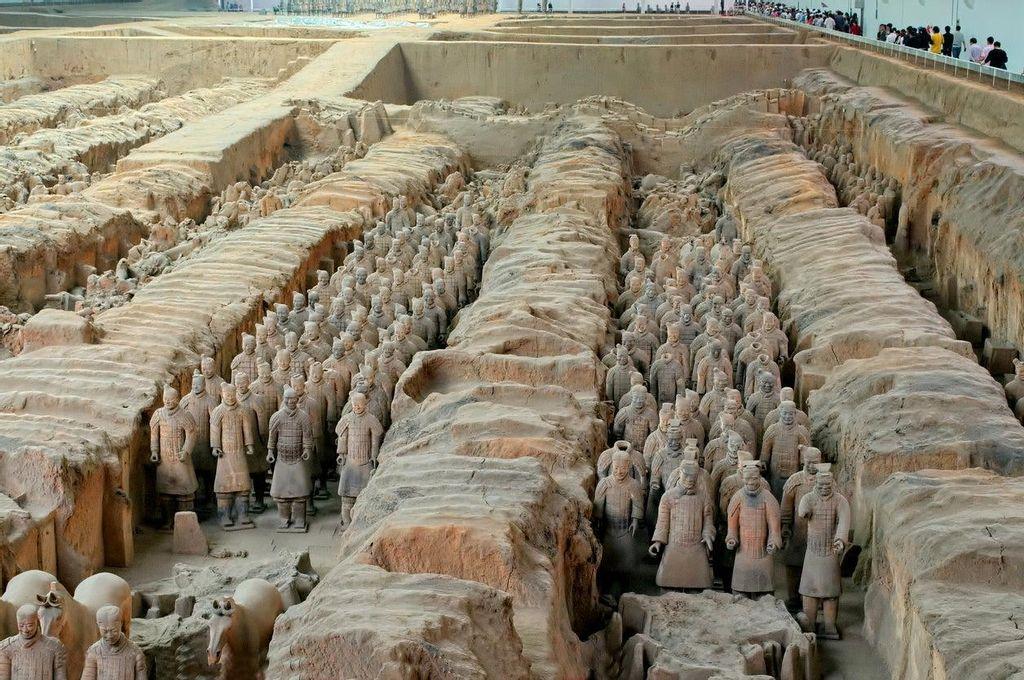
The fortuitous discovery of this large life-sized army of terracotta warriors in 1974 continues to be the subject of research. Three large pits of warriors have been found, each dressed differently. More than 2,000 figures have been recovered to date, but there are over 8,000 still buried. The magical warriors who guarded the entrance to the tomb of China's first emperor, Qin Shihuang, undoubtedly form one of the most significant archaeological sites of the 20th century. Thanks to this army that was hidden underground for millennia, we can learn how people lived in China 2,000 years ago. They were added to the UNESCO World Heritage list in 1987.
Museum officials expect hundreds of thousands of visitors to the exhibition. Alongside one of the copies of the Discobolus by Myron that visited the MARQ in 2009, the exhibition of the warriors from Xi'an will be the most important ever held in Alicante.