
- 1. Interview with David López Canales
- 2. Did Japan have to be the country that dignified flamenco?
- 3. And that's why so many took the plunge.
- 4. Japan was then, in the 1960s, much "further away" than it is now.
- 5. A passion that we would love to have...
- 6. To go to such a distant and unknown country back then required a lot of desperation but, above all, a lot of courage.
- 7. What shocked them the most when they landed there?
- 8. Not to mention the language.
- 9. And Tokyo in the sixties was not at all like the Tokyo of today.
- 10. In your book, you talk about a two-way journey: there were also Japanese who came to Spain.
- 11. For better or for worse?
- 12. Those flamencos were also pioneers in Japan for another reason: they sold the first souvenirs.
- 13. I understand that Spanish cunning went much further.
Interview with David López Canales

"Many things were found, but let's not deceive ourselves: basically, what they found was money". This is how journalist David López Canales (Madrid, 1980) succinctly summarizes the flamenco diaspora to Japan in the 1960s, which he captures in A Tablao from Another World with an agile and abundant pen, giving voice to many of its protagonists.
Those "little tablao artists", normally confined in Spain to seedy joints, encountered two unusual things when they began to travel to Japan to try their luck: the first, the cultural shock with a country they couldn't even locate on a map at that time. The second was even greater: recognition. These unexpected travelers (including Chiquito de la Calzada) followed in the footsteps of established figures like Paco de Lucía or Antonio Gades, who had already been filling theaters for several years and had sowed the land of Japan with a passion for flamenco unlike anything found anywhere else in the world. Not even in Spain.
Did Japan have to be the country that dignified flamenco?
No, in Spain flamenco was already well regarded, but it was a minority genre, something that hasn't changed much now. It's worth mentioning that many people at that time felt flamenco was something foreign in Spain, and for some, it was even frowned upon. In Japan, they basically found money, but on the other hand, far from Spain, they discovered an audience and other flamencos who respected them greatly and genuinely admired this art, much more than in our country.
And that's why so many took the plunge.
The merit is that many of those who went there were not big names like Paco de Lucía, who already had a name and could fill a theater in Japan, but most were unknown tablao artists.
Japan was then, in the 1960s, much "further away" than it is now.

"It was another planet," is the most common description from those who went there. There had been some performances before, but they were very anecdotal. In 1929, there was the first flamenco dance in Japan, in the fifties the first guitarist, Carlos Montoya, and the first singer, El Gallina... but those were isolated performances. Starting in the sixties, tablaos began to open in Japan, and that's when a significant flow of Spanish artists began to go there to work and stay for long periods. This is what, by the late decade, helped the passion for flamenco thrive in Japan.
A passion that we would love to have...
There were more enthusiasts, more places to go to see it, Spanish artists gave them dance, guitar, and singing classes, and that's why the Japanese began to genuinely fall in love with this music.
To go to such a distant and unknown country back then required a lot of desperation but, above all, a lot of courage.
They went to Japan without even knowing how to place it on the map. Pepe Habichuela went with his wife, but he told his family they were going to Brussels for six months so they wouldn't get scared, because they didn't even know where Japan was.
What shocked them the most when they landed there?
They arrived without knowing anything about the country; they hadn't even seen it in movies. What surprised them the most upon arrival in Tokyo was the swarm of people, without anyone to talk to, or when they went to the market and saw "some really ugly fish" they had never seen in Spain. And certainly, the fact of eating it raw disgusted them.
Not to mention the language.
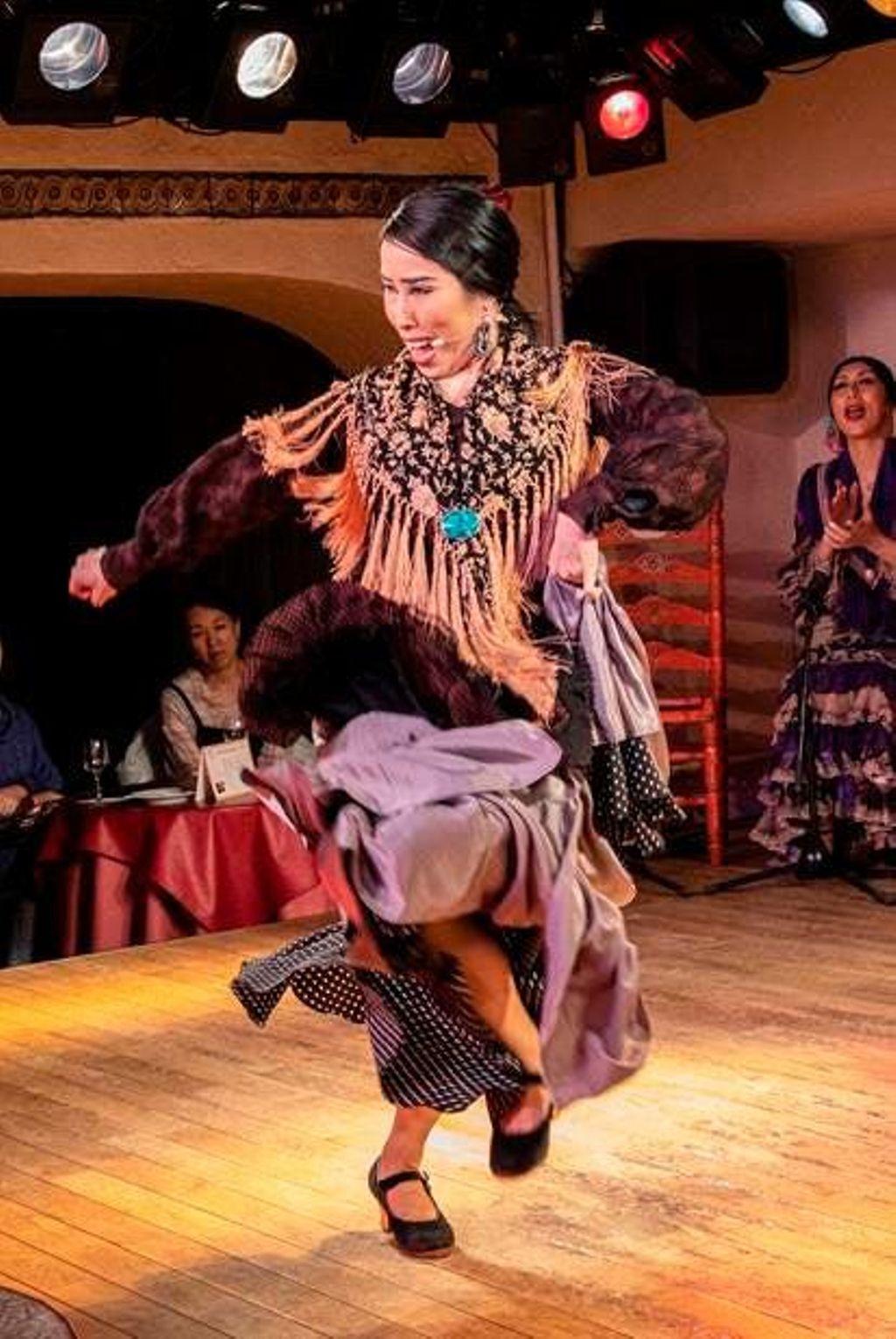
They had no idea of Japanese and even less of reading it, of course. To know which was their subway station, for example, they had to memorize the station announcement. And when the announcement changed, they no longer knew which was their stop. They were also impressed by the respect of the Japanese, those continuous bows, "the nods", as Spanish flamencos called them. Or how quiet they are... everything seemed strange to them, after all.
And Tokyo in the sixties was not at all like the Tokyo of today.
Tokyo was still being rebuilt. The Shinjuku district, for example, was being born in those years, and skyscrapers were still going up.
In your book, you talk about a two-way journey: there were also Japanese who came to Spain.
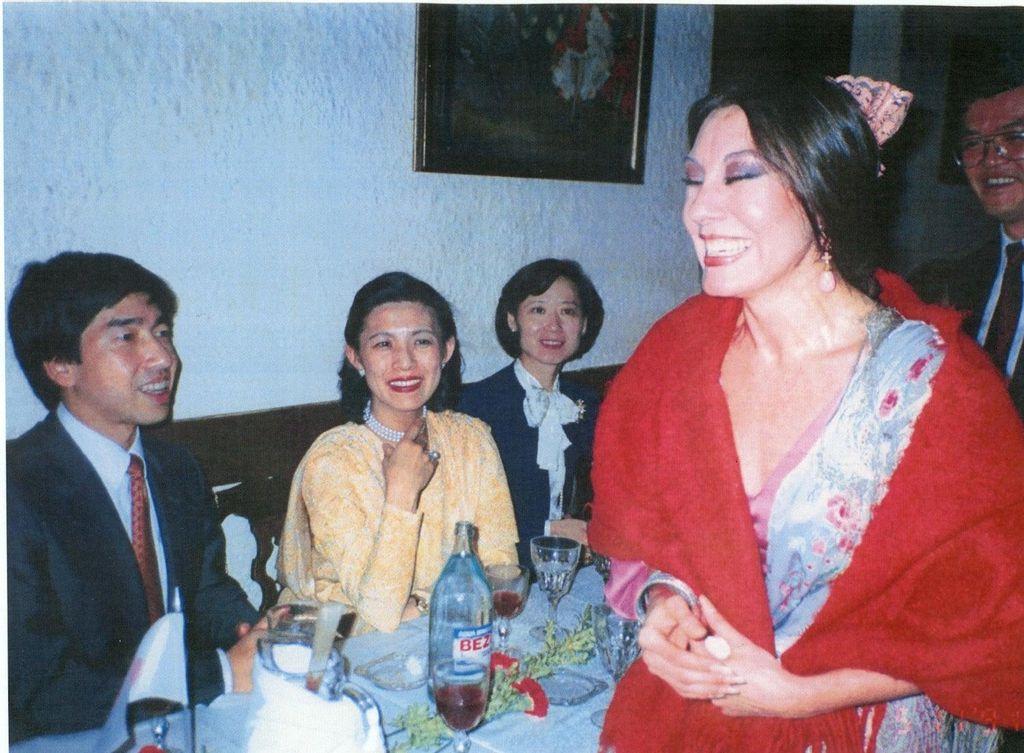
Those who came to Spain to study flamenco in the sixties also knew nothing about our country. They fell in love with flamenco in Japan, many seeing a tour by Pilar López and Antonio Gades in 1960, and through their dance, they discovered flamenco. Or from the record of the dancer Carmen Amaya... Then many Japanese said they wanted to become flamencos and landed in a Spain they knew nothing about. The first one to arrive, Yasuko Nagamine, landed at Barajas airport and as soon as she got off the plane (which by the way, a pasodoble was playing in the airport's background music), she saw that everything around her was countryside. She said she thought: "I've gone around the world to end up in the countryside". Everything that was contrary to their culture shocked them: the noise, the expressiveness...
For better or for worse?
I tell you about the dancer Yoko Komatsubara. When she settled in Madrid, one night she went to a bar in the center with another Japanese friend who had been living in Spain for a while. She found a ruckus of people talking loudly, throwing shrimp shells on the floor, drinking one glass after another... And she says that was the moment she decided to stay in Spain. In Japan, it was impossible to see something like that.
Those flamencos were also pioneers in Japan for another reason: they sold the first souvenirs.

The Japanese were so passionate about flamenco upon seeing Spanish artists perform that they wanted their dresses, shawls, guitars... Because there was no other way to get them than buying them from the artists themselves. At first, they sold their guitars for much more than they had bought them, but when they saw the business opportunity, they came to Spain and returned to Japan with 10 or more guitars, generally very cheap ones that they sold there as if they were top quality, because the Japanese at first paid whatever it took.
I understand that Spanish cunning went much further.
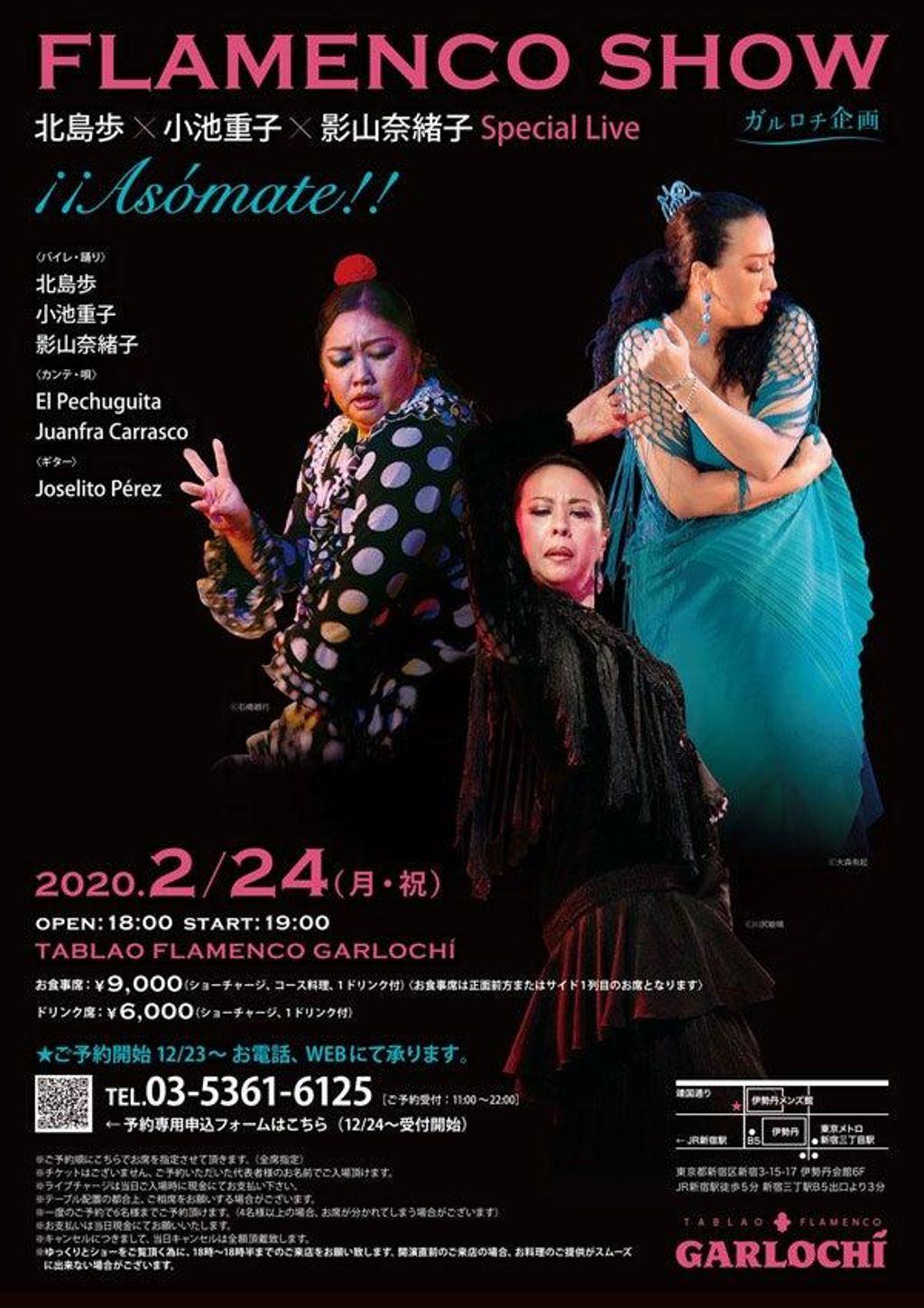
Yes, they sold them a polka-dotted handkerchief telling them it belonged to Lola Flores, a shirt as if it had been worn by Antonio Gades... All lies, of course, but they charged them as if it were true. They even sold bags of sand with chicken blood claiming it was from the Maestranza plaza, right after a bullfight. But undoubtedly, they were pioneers: they exported to Japan before Japanese multinationals like Sanyo or Sony exported to Spain.