
The Journey Around the World with Amelia Earhart, the Woman Who Wanted to Fly

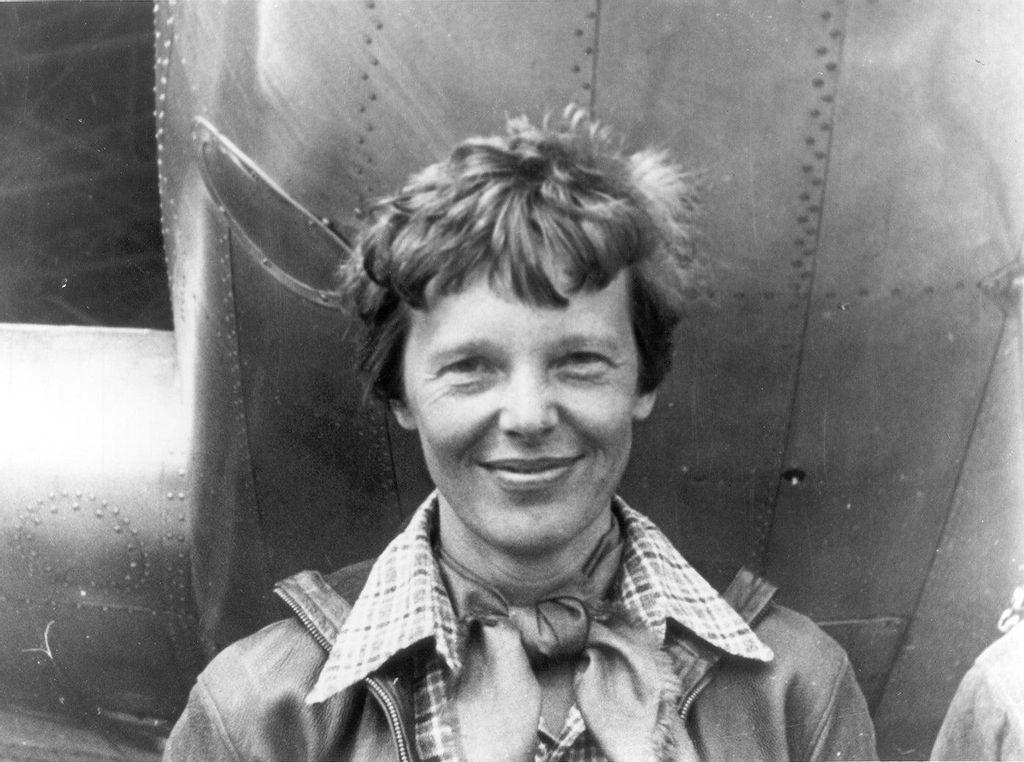
Amelia Earhart was one of those individuals who broke the mold. Born in the United States in 1898, she first encountered the world of aviation during World War I while working as a nurse. In 1920, after returning to California, where her family settled, Amelia had the opportunity to take a brief flight as a passenger. The sensation she experienced was so profound that from that moment on, her fate was sealed.
It wasn't long before she began taking flying lessons under another legend, Mary Anita Snook - better known as Neta Snook - the first American woman to run a flight school and a private airport.
These initial lessons led the impetuous Amelia to buy her own plane, and in the following years, already soaring through the air, she began to forge her legend by breaking records and milestones.
A Woman Determined to Become a Legend
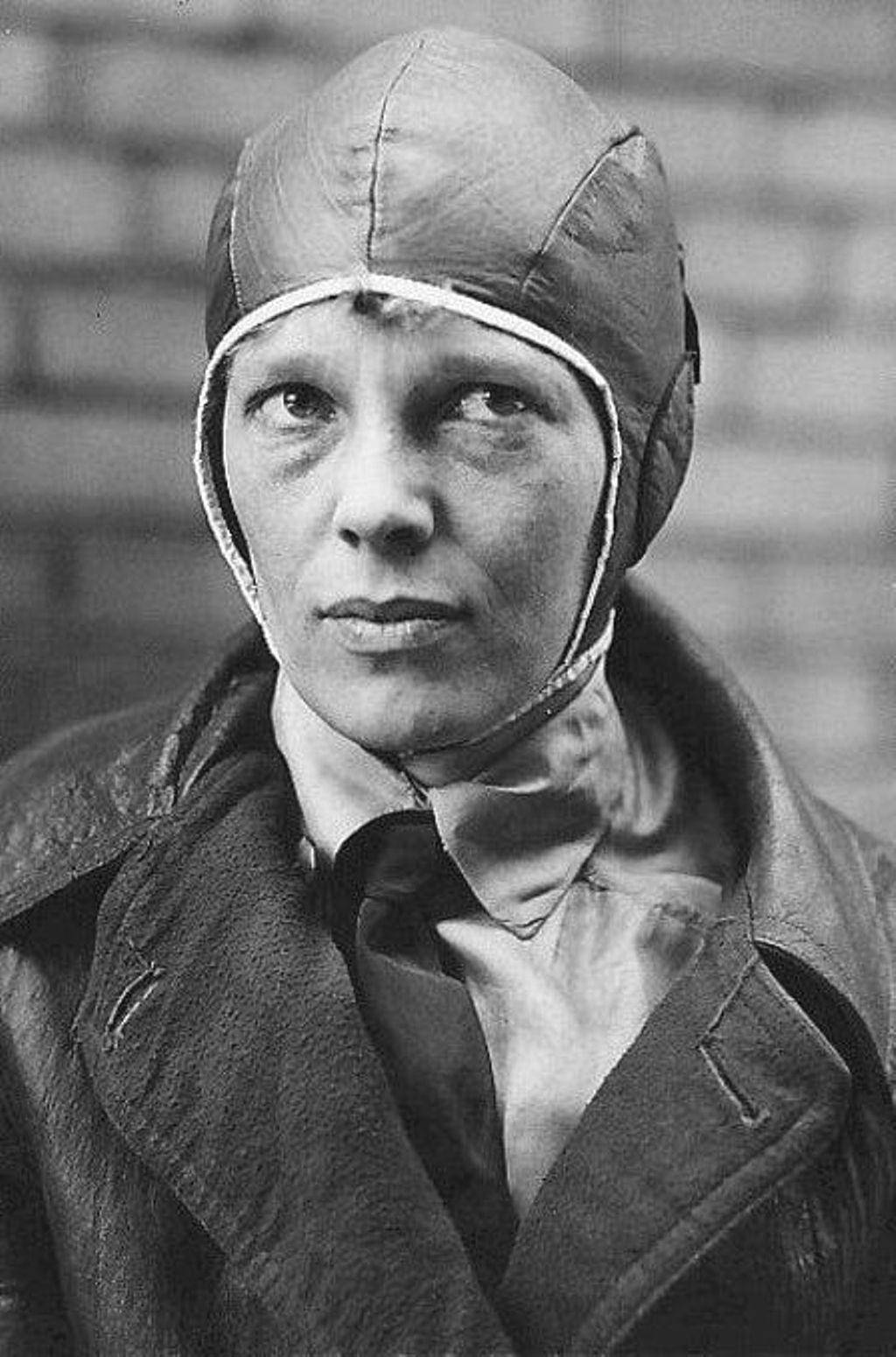
In 1922, she set her first altitude record. In 1928, thanks to a stroke of luck, she became the first woman to cross the Atlantic Ocean as a passenger, traveling 3200 kilometers in 20 hours and 40 minutes in a trimotor plane from Canada to Wales.
After this, she conducted several solo flights across the United States until, in 1935, she became the first pilot to successfully fly from California to the Hawaiian Islands. Unsatisfied with this achievement, she set a speed record shortly afterward.
Already recognized in the American aviation community, she began 1937 with the challenge of her life: to fly around the world along the equator, taking an unconventional route. This journey would end in tragedy, catapulting her to fame as a legend in aviation history.
The Extraordinary Journey Across the Planet
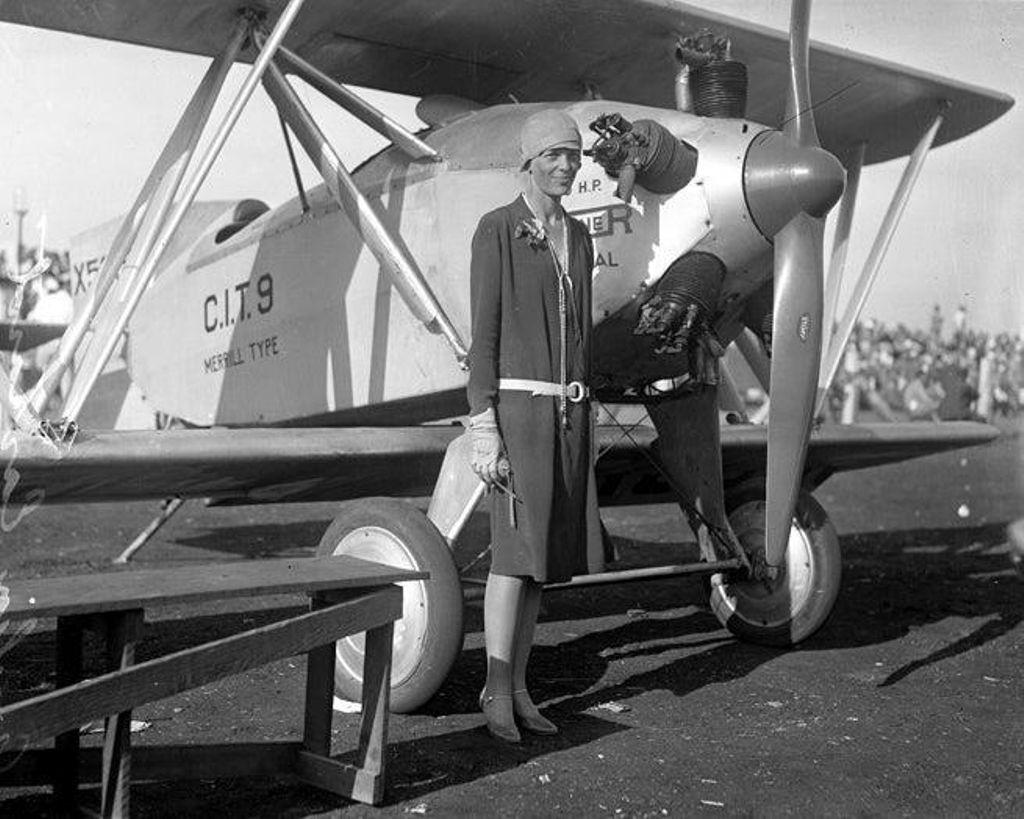


Emulating the legendary pilot who first crossed the Atlantic Ocean solo and nonstop, Charles Lindbergh, with whom the young woman bore a striking resemblance - she was even nicknamed Lady Lindy by the press of the time - Amelia Earhart aimed to achieve her own feat by circumnavigating the Earth by air aboard a twin-engine aircraft with Fred Noonan as her co-pilot.
They officially began their adventure on June 1, 1937, aboard the historic Electra 10-E, from Miami, although they initially departed from Oakland, San Francisco, several months earlier.
From there, the journey progressed through the early stages visiting locations such as San Juan, Puerto Rico, Caripito, Venezuela, and Natal, Brazil. The latter, located in the northeastern tip of the great South American country, a paradise of beaches and dunes, was the site from which they departed towards the African continent.
There, on the Cape Verde Peninsula, awaited the famous Dakar, the capital of Senegal. From Dakar, they continued their journey towards Gao, the city of the Askias in Mali, a little-known city that nonetheless preserves the monumental site of the tomb of this important dynasty, a UNESCO World Heritage site.
Leaving Gao, they traveled through Sudan and Ethiopia to the end of the continent, then proceeded with their flight path via Karachi, the most populated city in Pakistan, where they were unable to admire what is now the most beautiful monument in the city, constructed in the 1960s, the Mazar-e-Quaid mausoleum, the tomb of Pakistan's founder.
India, with Calcutta, was the next stage of the journey, after which came the stops in Randún and Bangkok, the capital of Thailand, and modern Singapore, the iconic port from Jules Verne's Around the World in Eighty Days, and today one of the most cosmopolitan and cutting-edge cities in the world. Despite being weary from the long journey, which at this point included over 30,000 kilometers and nearly 30 days, they continued their trek through Asia to the last stop on the continent, Bandung, Indonesia, where technical and health problems for Amelia delayed their planned schedule.
The final leg of the trip, the most dangerous, was approached with the worry of the significant challenge of circling the globe: crossing the Pacific Ocean.
The first destination was Darwin, the northernmost city of Australia, famous for its Croc Park and as the gateway to Kakadu National Park, an important protected area where one can learn about the continent's Aboriginal culture.
From there, the next stop was Lae, in Papua New Guinea, where fatigue and Amelia's health issues began to take their toll. After covering over 35,000 kilometers, the pair faced the remaining 11,000 kilometers ahead.
On July 2, with unfavorable weather, they took off toward America. After several radio contacts confirming their position, it seemed that they reached the first stage, the Nukumanu Islands, an atoll located in the southwestern Pacific Ocean, heading from there to their penultimate stop, Howland Island, halfway between Australia and Hawaii.
The last contact with the coast guard at Howland Island indicated that they appeared to be lost and were running out of fuel. From that moment, their trail was lost and nothing more was ever heard from the plane.
The mysterious disappearance of the crew and their aircraft gave rise to all sorts of speculation, such as the theory that they were captured by the Japanese - there is even a controversial photograph. Today, however, the most accepted hypothesis points to the possibility that they managed to land on Gardner Island - a small atoll currently called Nikumaroro, part of Kiribati - where they perished.
This theory is supported by the discovery of bones on the island which, although initially dismissed as Amelia's, have recently been linked to her through genetic studies, potentially solving the mystery of the disappearance of an extraordinary woman who fulfilled her dream of living in flight, becoming a legend.