
The Words You Can Only Hear If You Travel to Alicante
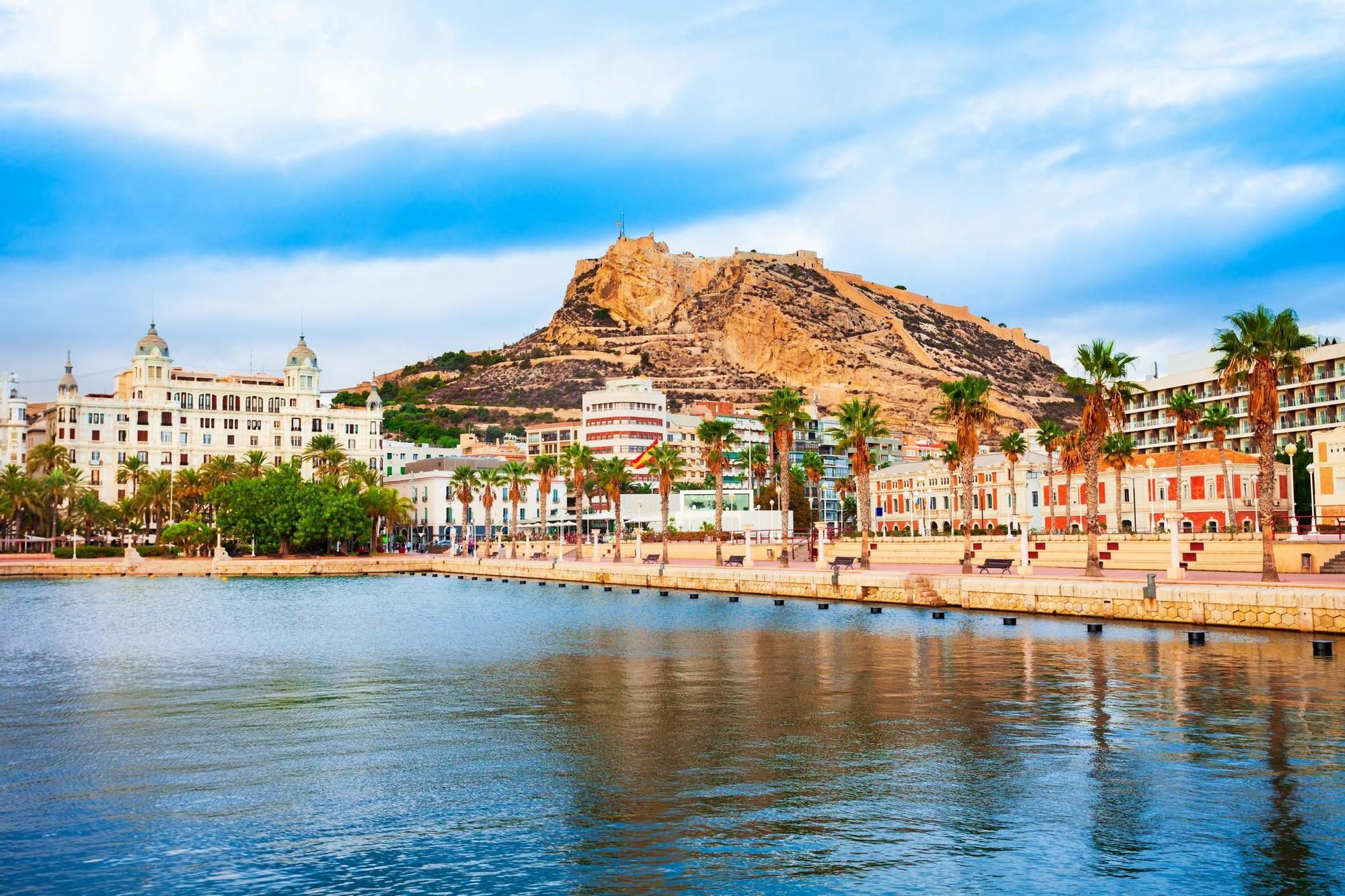
In Badajoz, you don't take a shortcut, you take an 'atrocha'; in Huesca, it doesn't blow a cold, annoying wind, it's called 'orache'; in Málaga, they don't hurry, they make 'bulla'; and so on, covering all of Spain's geography. The country's vocabulary is as varied as the provinces and towns that make it up, and there's no need to take examples from other languages like Asturian, Galician, or Castúo to confirm this. Each place references the way people speak in the area, and in the case of Alicante, there are three references.
Different Words in Different Regions
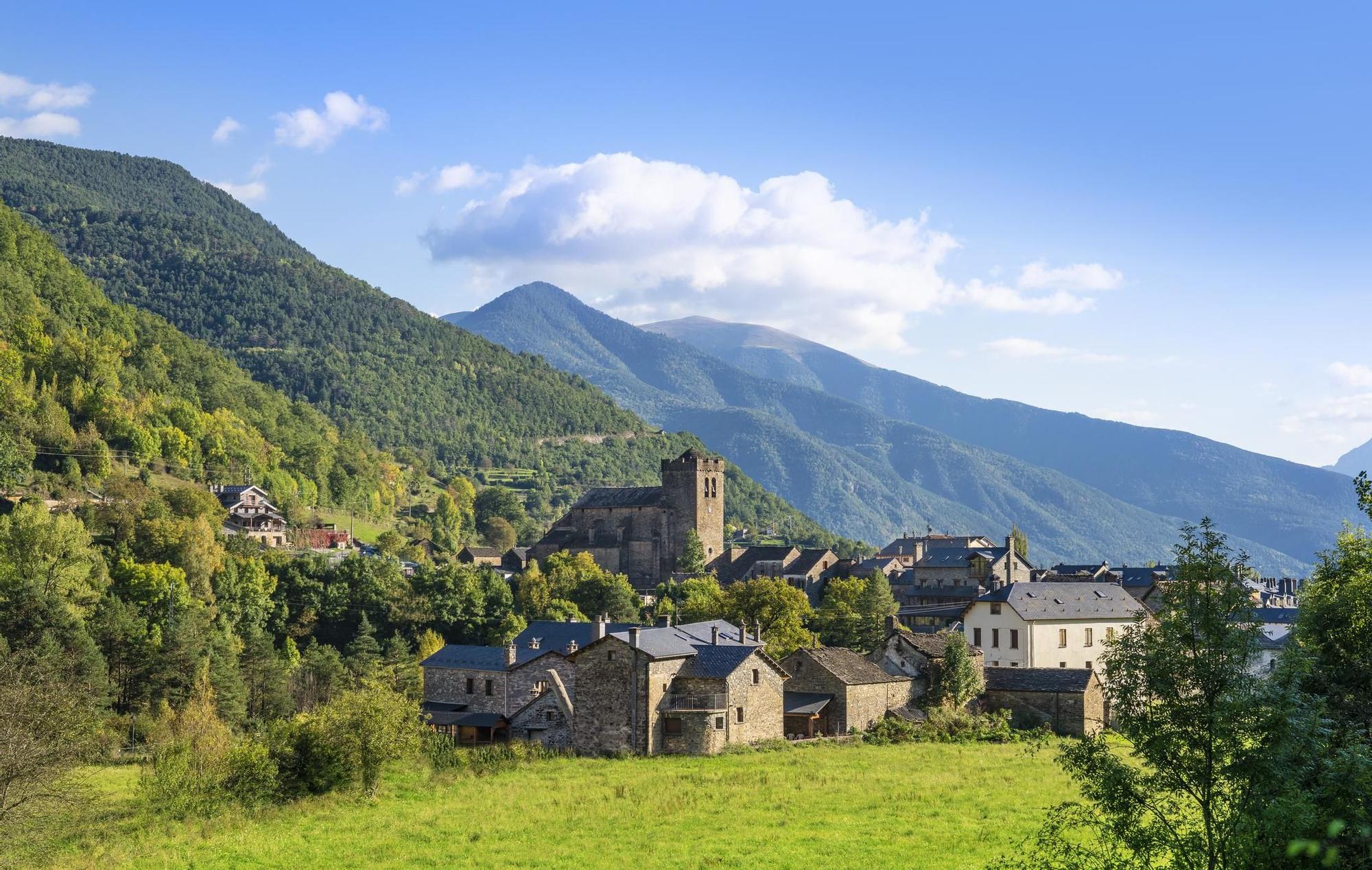

A little further north, in Elda, words like 'chulaín' are used to refer to someone very thin or 'gobanilla' when talking about the wrist. Saying that a 'mañaco' in 'coscoletas' and 'peúcos' has thrown a firecracker that didn't go off is the same as saying a spoiled child on horseback and with booties has thrown a firecracker that didn't explode in Alicante city. They also call 'patatíbiris' to bagged chips, use 'achavo' to express an emotion, and replace the 's' with 'r' in words like 'vamoraver' (let's see).
Although Aragonese and Murcians do not always agree that these words they claim as their own are only from Alicante, since they are also used in the aforementioned communities. Thus, both in Alicante and in Murcia, the words 'estufido' (snort), 'molla' (crumb), 'pipirijate' (to suffer a dizziness in Almoradí), and 'mamola' (nonsense in Santa Pola) are used. The Aragonese, for their part, claim 'chaflán' (the flat face that results from cutting a corner), 'mocho' (a hornless animal), and 'camal' (the leg of pants).
Heritage of Valencian and Castilian Languages

Directly inherited from Valencian, there are words in the Alicante vocabulary like 'espolsar', which means to shake or dust off; 'estufido' which is listed in the RAE as an expression of anger or snort, in relation to the animal that snorts and is extended to people; 'mentofisme' which comes from the expression 'm'en fot', in Castilian meaning 'I don't care', describing the attitude of a person indifferent to everything. There are also inheritances from Castilian like 'potroso', meaning 'to have luck', or being fortunate.
There are various words that seem strange to the rest of Spain and are so common in the southernmost province of the Valencian community, as well as expressions that range from using 'enseñarse' as a synonym for 'to learn', 'ir a ca de alguien' instead of 'to someone's house', or saying 'ves bajo' instead of 've abajo'. The lexicon, along with the relaxed and purely Mediterranean way of life, shapes the wonderful personality of the people of Alicante, as well as their history.