
New Forms of Life Discovered in the Seabeds of the Pacific


Humans have a certain fascination with the unknown. We think we know everything about the species that inhabit our planet and look to the sky to discover if there is life in space, but the truth is that there is still much to discover without needing to cross the troposphere.
Notably, the latest research conducted by the underwater vehicle Falkor from the Schmidt Ocean Institute has revealed over 100 new forms of life that were previously unknown, as well as four uncharted underwater mountains.
Schmidt Ocean Institute: studying the oceans deeply

Before discovering what species have been found, let's start at the beginning of the story. To do this, we must uncover what the Schmidt Ocean Institute does and what its latest mission has been.
The Schmidt Ocean Institute was founded in 2009 with the goal of serving as a hub to carry out the necessary discoveries to understand our oceans, sustain life, and ensure the health of our planet. The institute pursues impactful scientific research and intelligent observation, technological advancement, open information exchange, and public engagement at the highest level of international excellence.
Since its establishment, the Schmidt Ocean Institute has carried out various missions, and the latest, which took place between January 8 and February 11, was a complete success due to the excellent work done by the Falkor and its crew.
The Falkor: a key vehicle for research
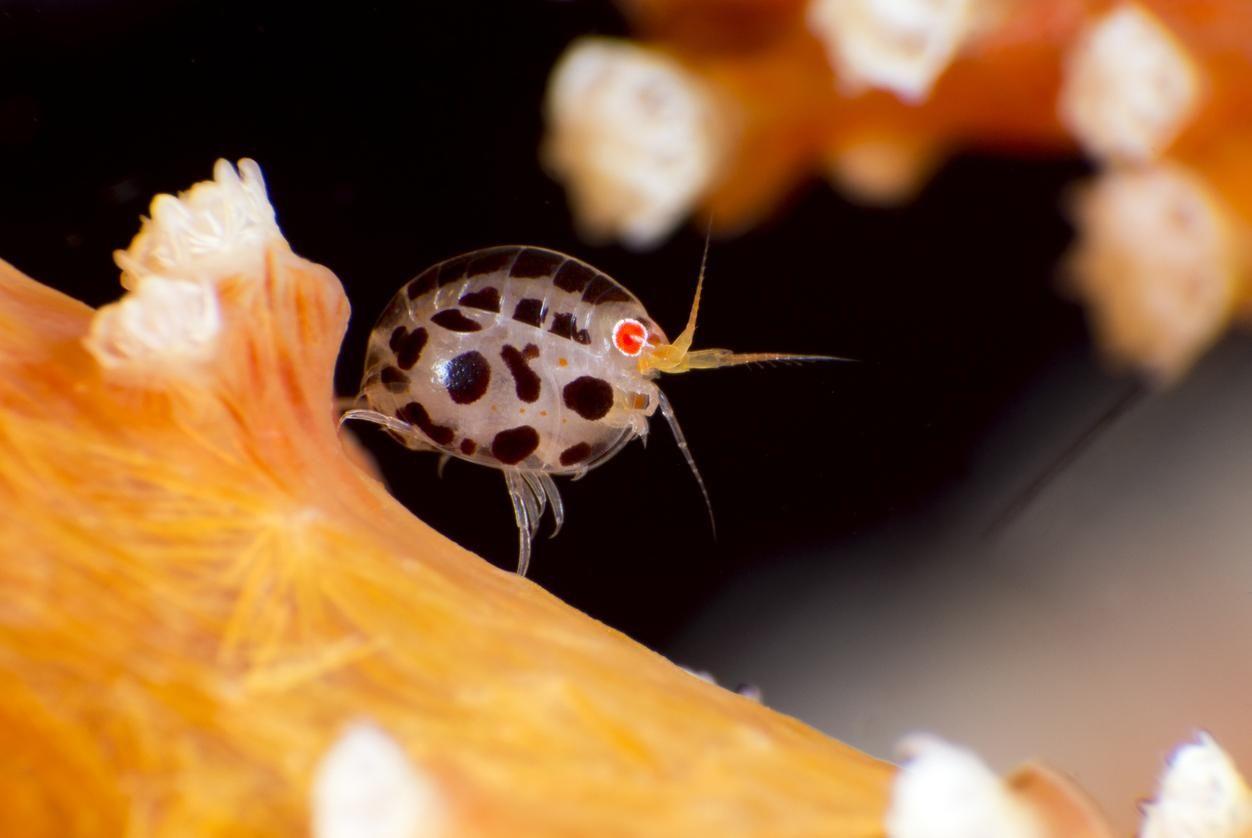
This impressive seven-deck ship offers scientists a modular platform to conduct almost any research at sea, featuring a main laboratory of over 1,000 square feet, in addition to seven other laboratories. It also has a 150-ton crane, two pools, high-resolution mapping equipment for ocean depths, a system for water flow to detect microplastics, and nearly 1,000 square feet of deck space for interdisciplinary research and exploration of the oceans.
On January 8, the Falkor embarked on a new mission to map 50,000 square kilometers of the Pacific. After just over a month of work, and having fulfilled its objective, they returned to shore with a pleasant surprise: the discovery of over 100 new marine species, including lobsters, sponges, sea urchins, and previously unknown amphipods.

One of the main objectives of this expedition was to study the Nazca and Salas y Gómez submarine ridges, which contain a chain of underwater mountains that extend for 2,900 kilometers in the southeast Pacific Ocean, from Chile to Easter Island. During the expedition, researchers managed to map four underwater mountains. And take note, because one of them rises more than 3 kilometers in height.
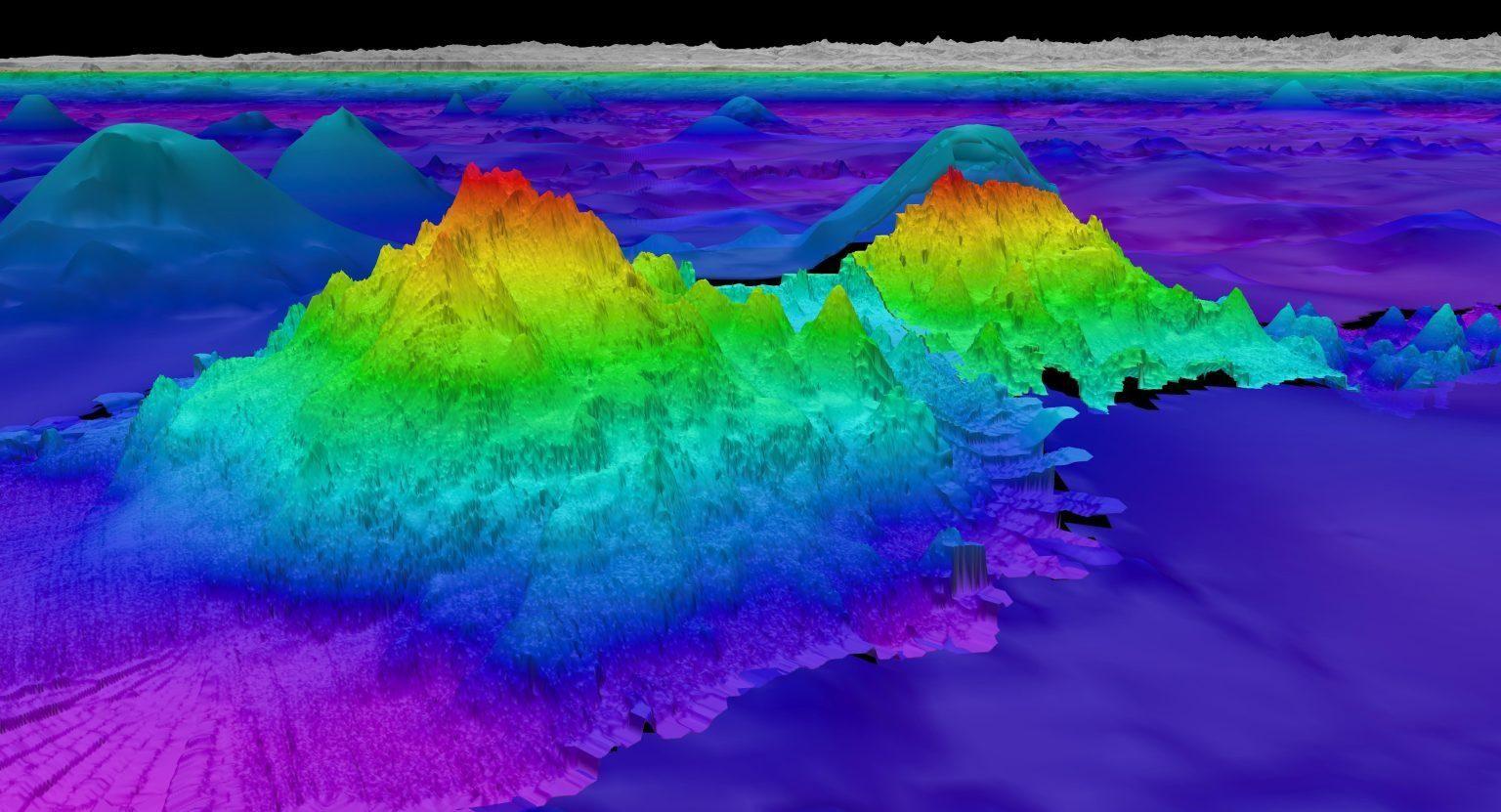
During the study of the different seamounts, it was discovered that each one possesses its own ecosystem, with unique species not seen before. Javier Sellanes, PhD in Oceanography from the Catholic University of Chile and leader of the Falkor mission, shared this on the website of the Schmidt Ocean Institute: 'You always expect to find new species in these remote and less explored areas, but the number we found, especially for certain groups like sponges, is very significant. These thriving and healthy ecosystems indicate that the Nazca-Desventuradas and Juan Fernández marine parks effectively protect delicate marine habitats'.
Animals were not the only discovery made by the Falkor, as mentioned earlier, it also mapped four underwater mountains, including one that measures over three kilometers tall and has already been named 'solito.' Currently, the Falkor has returned to the sea and is engaged in new missions since the end of February.