
- 1. La Mussara
- 2. Turruncún
- 3. Guijasalbas
- 4. Matallana
- 5. Ochate
- 6. Escó
- 7. Granadilla
- 8. Villanueva de Jalón
- 9. Sendes
- 10. Rocafort


Rural depopulation is a problem that has been threatening Spain for years. In fact, the European population living in urban areas has exceeded records since 2006, representing 80% of the population. The loss of inhabitants in a specific area has various causes, such as a birth rate lower than the mortality rate or the migration of people to large urban areas. Most often, these factors act concurrently.
Although rural territory occupies more than 90% of the country's surface, its population accounts for less than 25% of Spaniards. Consequently, there is a decrease in economic and social activity in the rural areas due to various factors, such as the abandonment of agriculture, a lack of employment, and disparities in income and infrastructure between rural and urban areas.
The severity of the situation has reached a point where villages in Spain are starting to disappear (if they haven't already).
La Mussara

Currently, the village in Tarragona is a well-known place for hiking and a favorite spot for young people to stargaze and escape the city. However, La Mussara was inhabited until the 20th century, and historical records confirm its existence since the 12th century. Its church dates back to the medieval period, and its buildings have plaques reminding visitors that, although abandoned, they were once someone's home.
Turruncún

Although this small locality in La Rioja reached 300 inhabitants in the 20th century, the village is now completely empty. Although the last inhabitants left Turruncún in the late 80s, the village receives visitors who come to hike in the area.
Guijasalbas

The Segovian village welcomes visitors with a sign reading "For Sale," as it is an inhabited area for livestock exploitation that has been depopulated. Documents confirming the existence of Guijalbas since the 13th century exist, but due to changes that have ravaged the locality in its recent history, Guijasalbas has become a memory of what it once was.
Matallana

With only 4 inhabitants, this locality in Guadalajara is on the verge of becoming another victim of depopulation. Although the nature surrounding the locality is well-known and appreciated by neighboring towns, Guijasalbas does not welcome new inhabitants.
Ochate
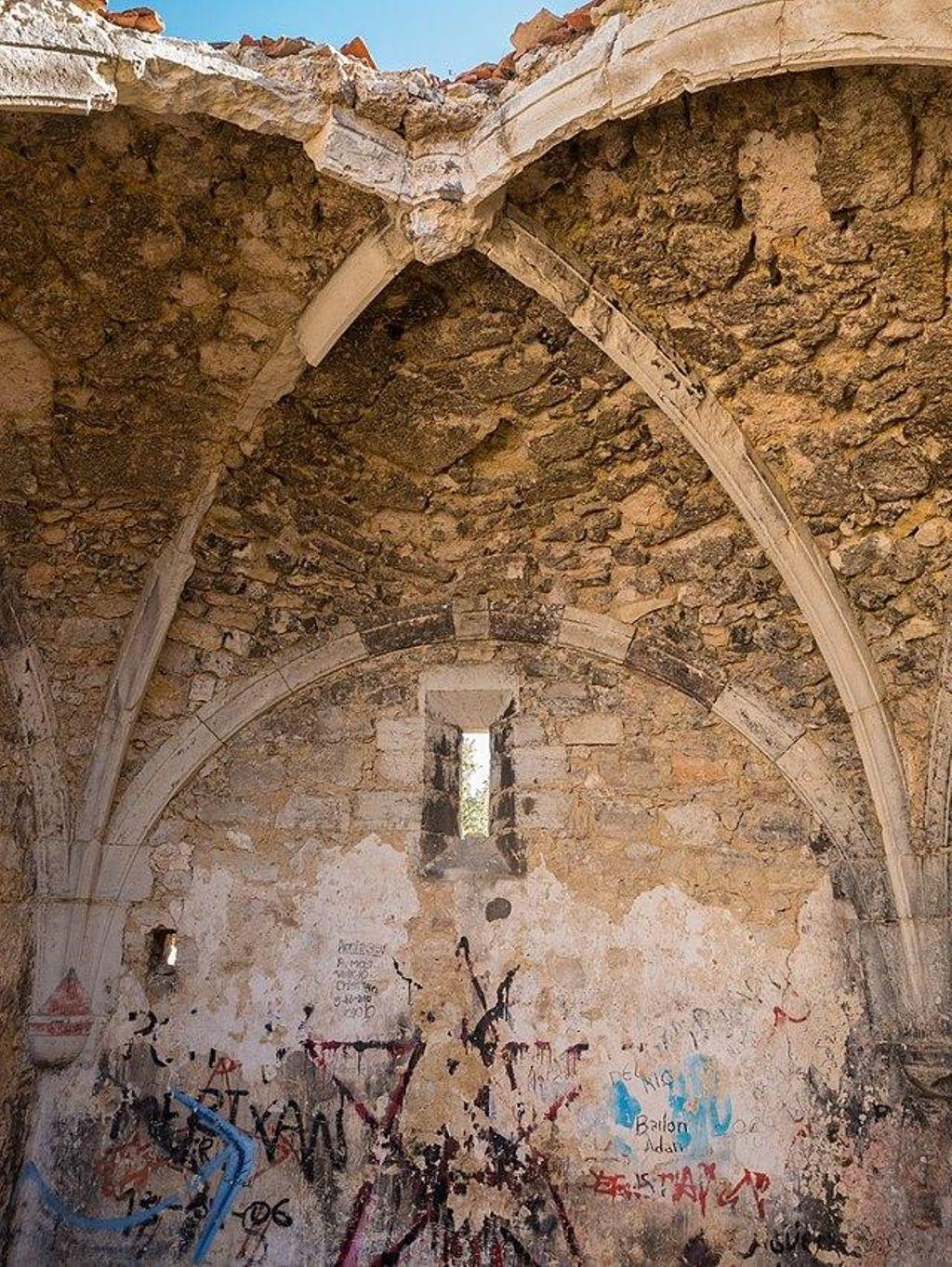
Also known as "the cursed village of Burgos," it is famous for its paranormal stories. It is a popular destination among young people for Halloween night; some claim that voices can be heard. The question is... Whose voices? The village was abandoned in the late 19th century, so this ghost town has visitors but no residents.
Escó

This village in Zaragoza is home to Roman ruins, although the history of the place does not seem to prevent Escó from coming closer to disappearance day by day. Seventy years ago, a reservoir was constructed that harmed the fertile lands, leading the population to emigrate. The latest data as of 2019 indicates that only 3 inhabitants remained.
Granadilla

In the 60s, Granadilla suffered the same fate as Escó: due to the construction of a reservoir, the inhabitants were forced to leave their homes. The locality in Cáceres is completely uninhabited. However, a recovery project is underway to transform this ghost town into a cultural center.
Villanueva de Jalón
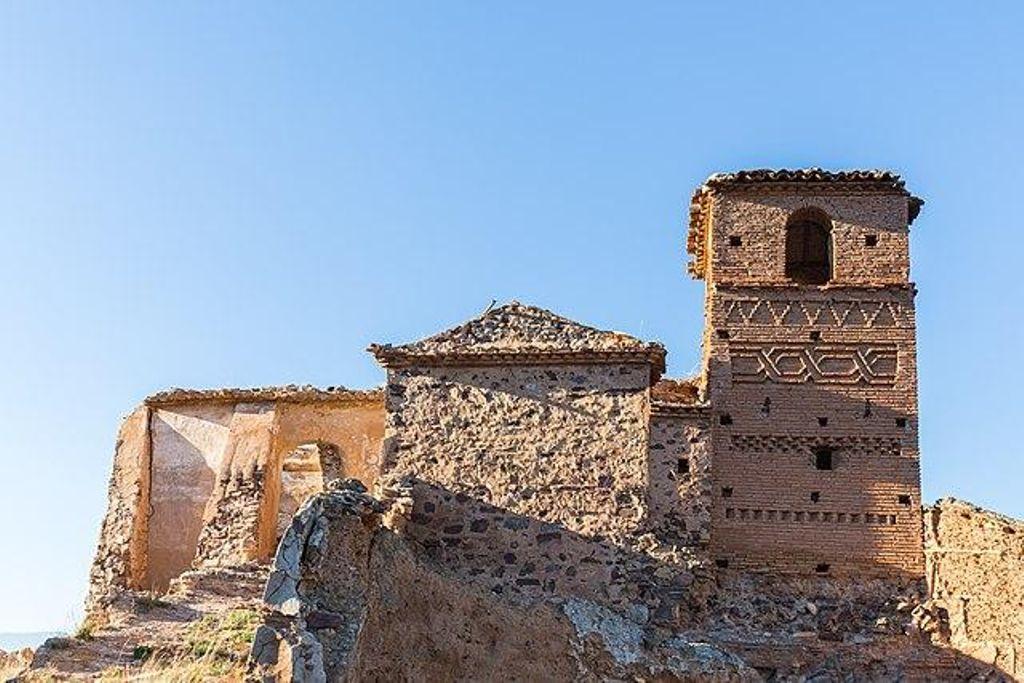
The fact that the tower of the church of Virgen de la Huerta has been a UNESCO cultural heritage site since 2001 has not prevented the population from leaving the Aragonese locality in search of a better life in urban areas. The stories told by the empty buildings turn Villanueva de Jalón into a true museum to explore.
Sendes
The village of Lleida, located at an altitude of 1200 meters, was a medieval villa that had 70 inhabitants in the 19th century. However, by 2011, only 3 people were living in Sendes. Its church was built in the 18th century, and today remnants of past lives can be found, such as abandoned wooden furniture.
Rocafort

The region of La Litera, in Huesca, is home to this uninhabited village. It is located in the Barranco de Orriols, where the remains of a wall still exist that once controlled enemies and monitored crops. Although the 1920 census confirms that 63 people lived in Rocafort in that year, the village is now completely empty.