

Spain has a very rich architectural history. Numerous cultures have passed through the peninsula, leaving their mark on our current way of life. An example of this is the number of World Heritage Sites recognized by the United Nations organization (UNESCO) in our country. The list now comprises 50 sites that include cultural, natural, and mixed sites. The significance of the cathedrals in Spain-both religiously and culturally-has resulted in 14 cathedrals being listed across the entire Spanish territory. Thanks to their history, architecture, or cultural contribution, these cathedrals stand out individually or collectively from other historical buildings, and UNESCO has recognized this. And you, do you think you can name them all? Let's find out!
The Cathedral of Santa María de Burgos
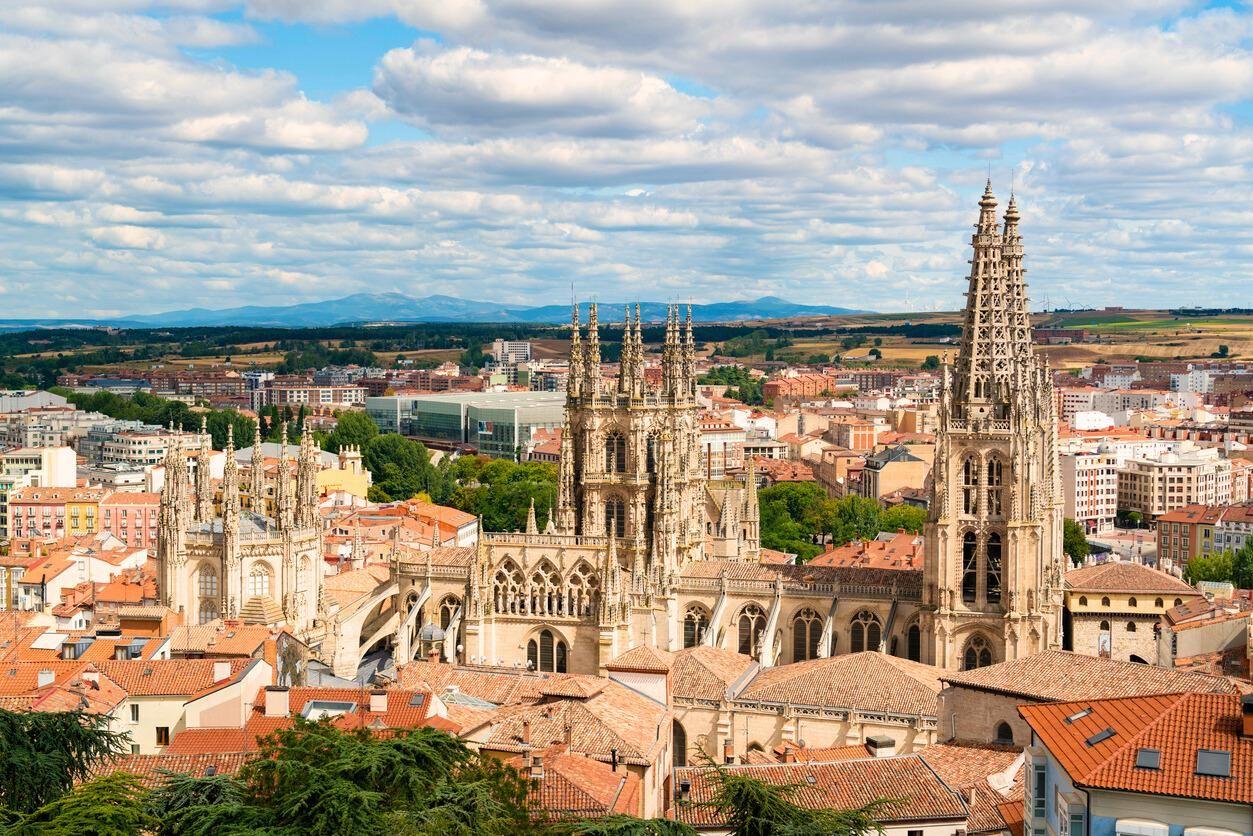
Burgos is particularly known for its cathedral. Declared a UNESCO World Heritage Site in 1984, it is the only Spanish cathedral that holds this distinction independently, without being part of the city's historical center. This iconic cathedral, which took almost three centuries to build, perfectly represents the history of Gothic art. Its stunning architecture is not the only thing that stands out in this grand cathedral: it also boasts a remarkable collection of masterpieces; tombs, paintings, altarpieces, and stained glass that leave many visitors in awe. The cathedral is the only site in the city recognized by UNESCO as a World Heritage Site, despite the abundance of attractions Burgos offers to those who visit it. The people of Burgos feel immense pride for this building, which, whether recognized or not, is the essence of the city.
The Cathedral of Seville

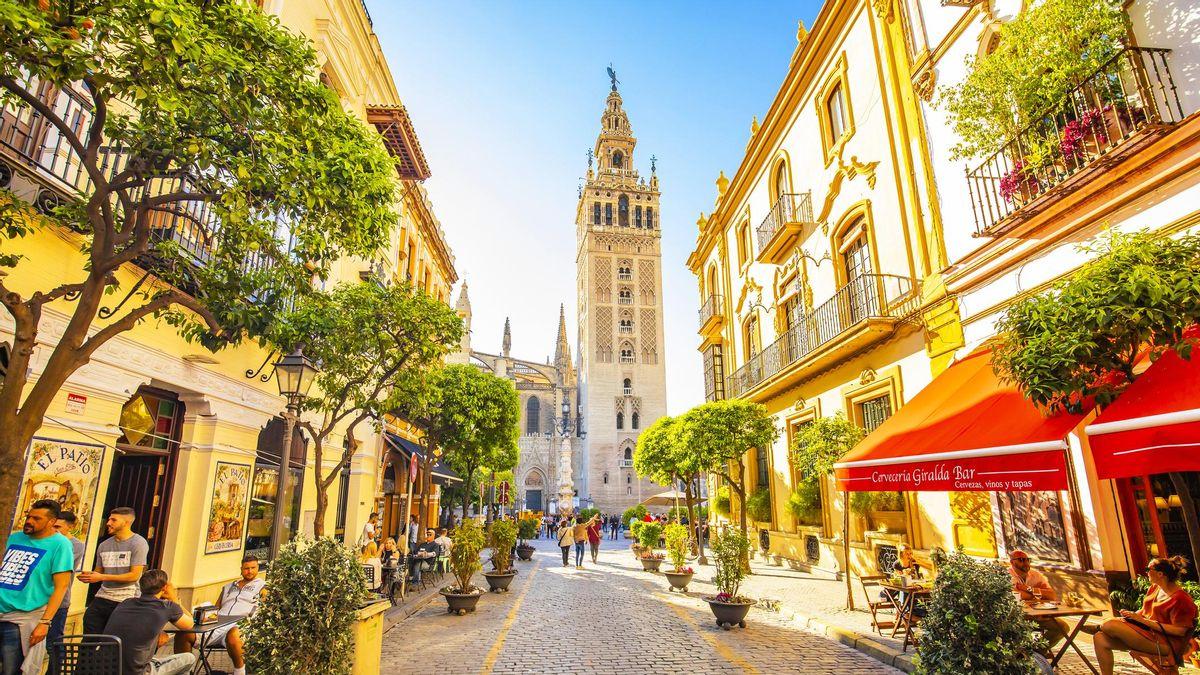
In reality, it wasn't just the Seville Cathedral that was declared a "World Heritage Site" by UNESCO in 1987. The Royal Alcázar and the Archive of the Indies were also included in the list, and together these buildings represent a magnificent example of three major stages in the history of Seville. A must-stop on your trip to the Andalusian capital, you will be amazed by every part of this historic building: from its altarpieces and chapels to the characteristic orange tree courtyard and its iconic view: La Giralda. Seville Cathedral is a dreamlike construction that fascinates tourists from around the world who visit the capital every year to experience the emblem that forms this historical jewel alongside the Royal Alcázar and the Archive of the Indies.
Cathedrals that are also Heritage, but thanks to their historical ensemble


Within its historical ensemble, we can say that there are many more Spanish cathedrals that have been recognized by UNESCO: In 1983, León Cathedral was recognized, and a year later, Córdoba Cathedral joined. In 1985, the cathedrals of Segovia and Ávila were added. A year later, in 1986, the Mudéjar cathedrals of Aragón, the Co-Cathedral of Cáceres, and the Cathedral of Toledo entered the list. Let's move to 1988, when the city of Salamanca was recognized, and thus, its cathedral as well. In 1993, the Cathedrals of the Camino de Santiago: Oviedo, Vitoria, Lugo, Bilbao, Mondoñedo, and Santiago were named UNESCO Cultural Assets. In 1996, Cuenca's cathedral was added, and three years later, the list was updated with the historical center of San Cristóbal de La Laguna, which was declared UNESCO World Heritage in 1999, including its cathedral. The last of these beautiful cathedrals was Baeza Cathedral, declared in 2003. It could be said that the cathedrals are one of the most important historical elements of our country. Not only for their architecture but also for the multitude of cultures and people who shaped them, ensuring that every time we visit one, we are awed by its legacy. Whether recognized independently or not, the cathedrals of our country are a unique heritage, and we have the mission of safeguarding them so they continue to fascinate future generations.