

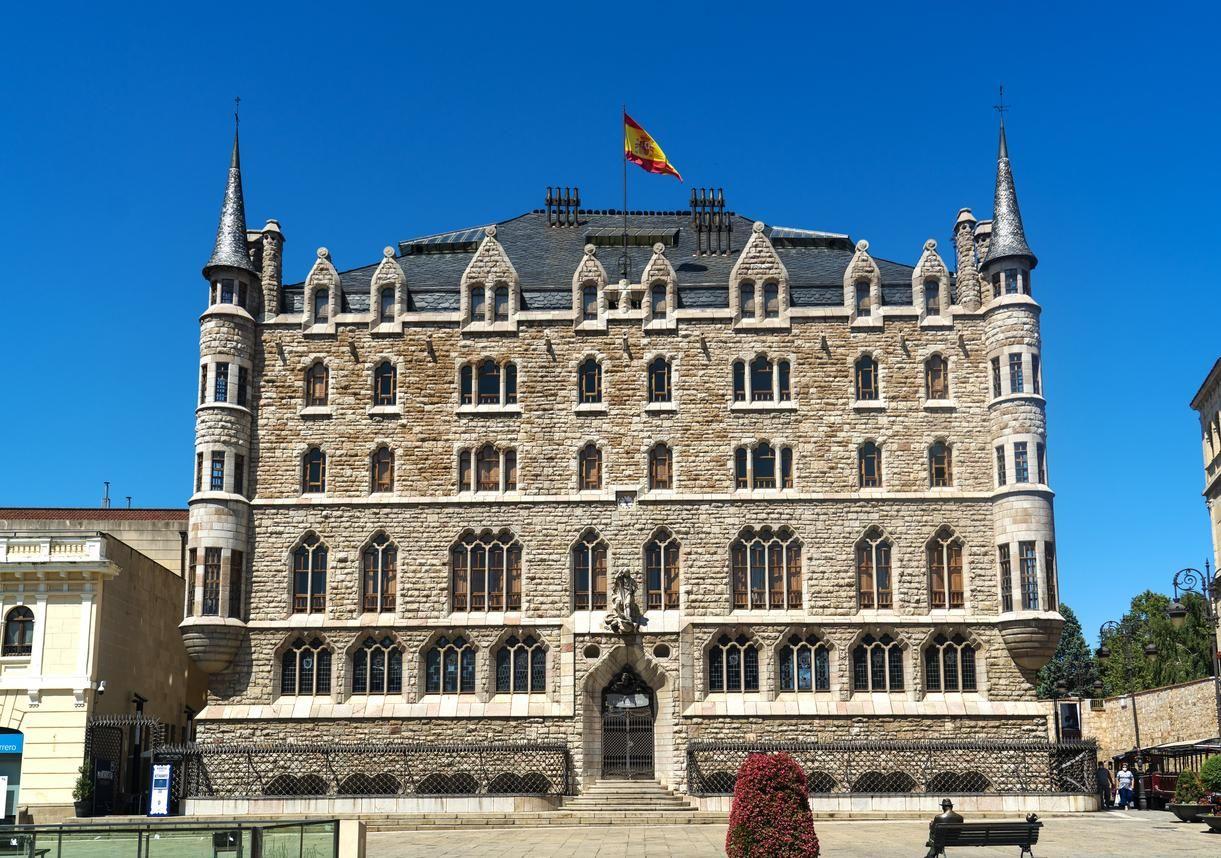
Antoni Gaudí is one of the most representative names in Spanish art and even more so in Catalan modernism. His work is known worldwide, from the Sagrada Familia or the Park Güell in Barcelona to El Capricho in Comillas or the Casa Botines in León. Some of his designs are very popular -others, unfortunately, not so much-, but very little is actually known about them. Or rather, about the original idea that the architect wanted to convey over a hundred years ago, when he brought those plans to life.
In 1906, Gaudí conceived one of his most famous houses for a wealthy family in Barcelona: the Casa Batlló. Although its appearance today is one of the most iconic in the city, some modifications were made since 1915 that obscured the true appearance of the back façade. Elements such as the pergola and planters had disappeared and the colors had changed completely. Between 1950 and 1990 restoration work was carried out, but it was not sufficient.
Now, with an investment of 3.5 million euros and the collaborative effort of specialized restorers and local artisans, the hidden work of Gaudí has been brought to light. The project consisted of a comprehensive restoration of the back façade and the private courtyard of the Noble Floor, becoming the first restoration that truly followed the architect's guidelines. The result has been surprising and very different from what it used to be.
This is how Casa Batlló has turned out
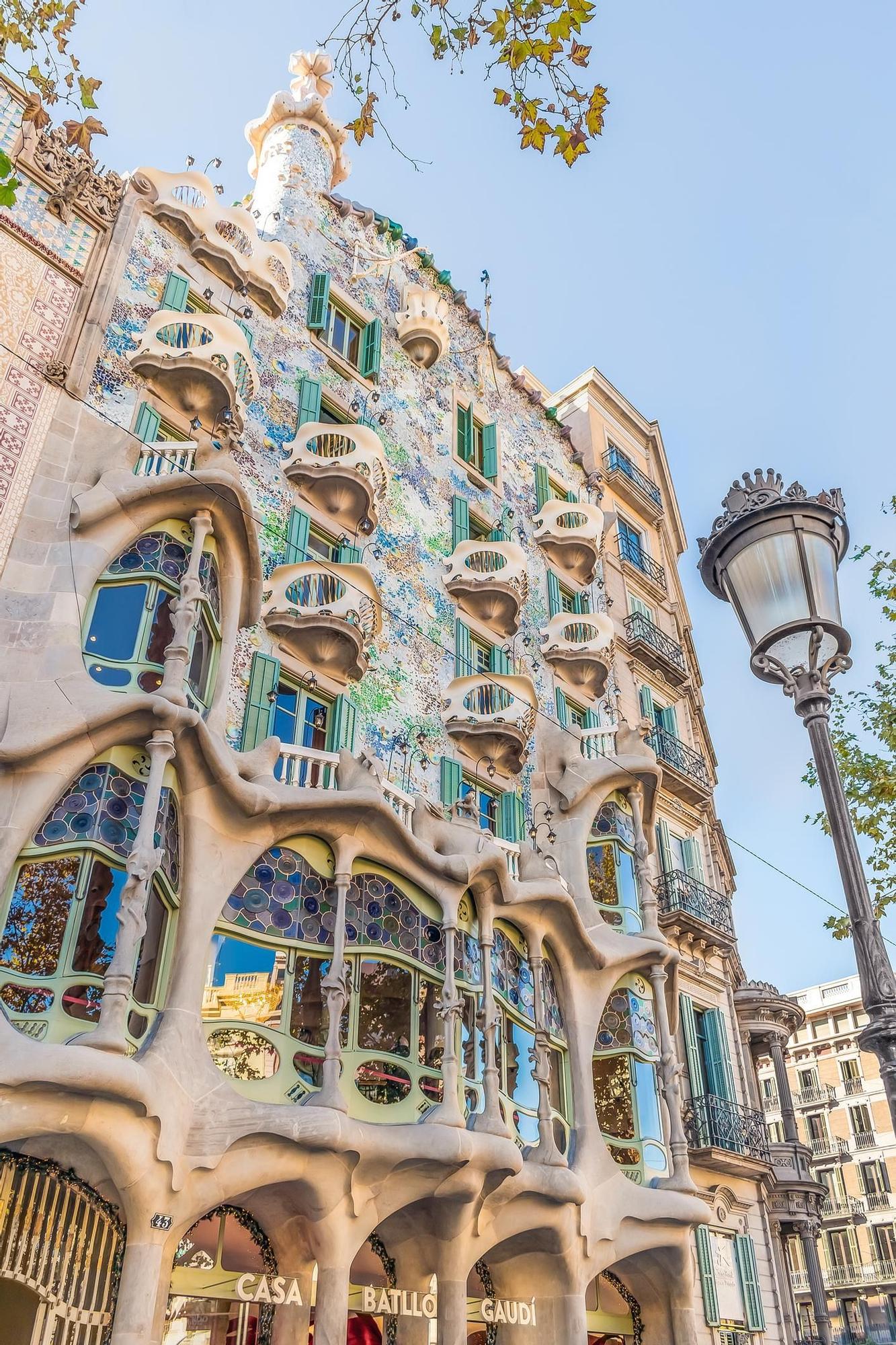
The architect in charge, Xavier Villanueva, explained that the entire team was astonished to discover the real colors of Casa Batlló. It wasn't until 2020 that the original tones were revealed, through stratigraphic tests of the photographic negatives. Other techniques used for this recreation included 3D scanning and photogrammetry, which allowed the restorers to take a small journey back in time.
Additionally, among the most notable findings was a spiral structure made of mixed brick and iron and a vaulted system that supports the balconies, both entirely unknown. This last one represents a revolutionary innovation for the time and an example of Gaudí's importance in architecture. According to the general director of Casa Batlló, Gary Gautier, "it is a privilege to continue revealing Gaudí's genius for future generations while valuing the mastery of artisanal skills."
The garden space has undergone the most impressive modification. They have succeeded in reviving that place designed as a refuge for family rest. To achieve this, elements like the rush pergola and the planters next to the ventilation courtyards have been recreated, and the pavement has been replicated with 85,000 pieces of Nolla mosaic using the original techniques. The railings and iron doors, along with the patio walls, stucco, and glass and ceramic trencadís have also been restored.
The back façade has also seen the restoration of stucco and the glass and ceramic trencadís on the side walls and the cornice. Furthermore, the wrought iron railings, wooden windows, balcony doors, and the mosaic pavement have been restored on the balconies, also reinforcing the structure that was somewhat deteriorated. The restoration is part of the 20th anniversary of Casa Batlló's listing as a UNESCO World Heritage Site.