
Discovering the best-preserved Neolithic settlement in Northern Europe


Long before Stonehenge (3100 BC), more than 5,000 years ago, on the island of Mainland, overlooking the North Sea from Skaill Bay, a settlement was formed that is today known as "the Pompeii of Scotland": Skara Brae. It remained hidden until 1850 when, after a great storm, the owner of the estate saw that these sites, now considered the best preserved in Europe and a UNESCO World Heritage Site, had been uncovered. This place is a very good reflection of the way of life that these people followed. Structures, furniture, jewelry, pots, and many other details have been found in perfect condition.
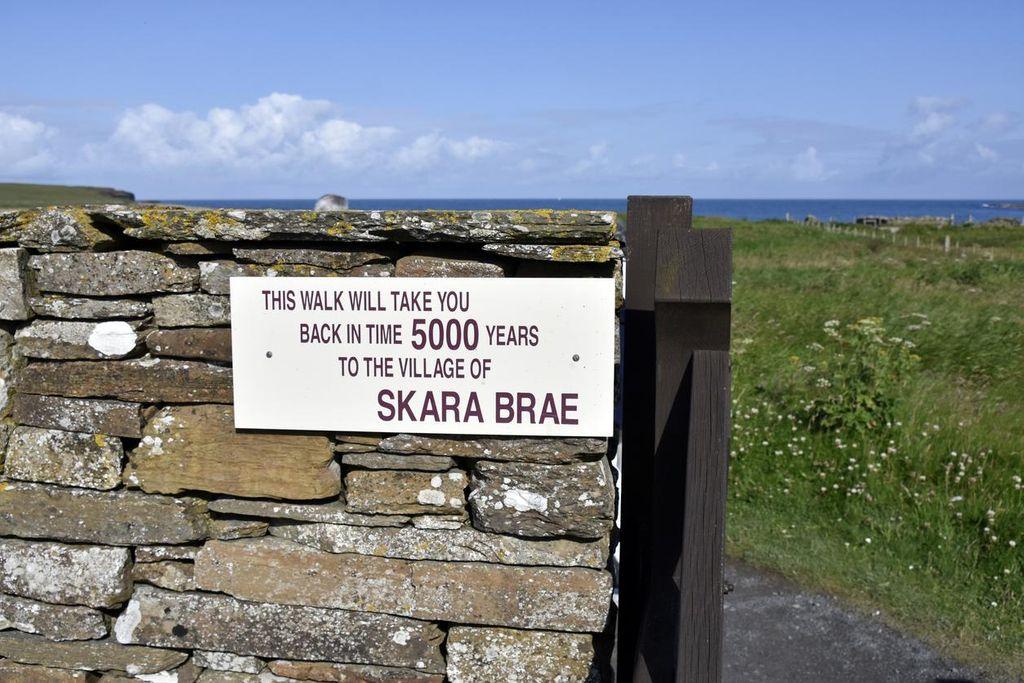
Although the official discovery was in the 19th century, a century earlier, in 1769, a traveler found a skeleton with a sword in one hand and a Danish axe in the other, which could be the first sign that there had been a settlement there. Still, the Society of Antiquaries of Scotland displayed the exhumed objects as if nothing had previously been known about the site. Soon after, they were forced to protect the site due to the looting it had suffered. In 1924, it was placed under the protection of Her Majesty's Inspectors of Work.

It was not excavated and studied properly until 1927. In that year, Australian archaeologist Vere Gordon Childe and his assistant J. Wilson Patterson began their work, but they did not discover anything about its origin or why it was abandoned. Moreover, they thought it would be a pre-Roman settlement. It is believed that the way of life was communal, as the houses were practically identical inside, similar to modern-day housing developments. Of these, a clear dozen can still be seen, although there likely were many more. Researchers deduce that two of them were from an earlier period and that the others were built later, connected by hallways.
title':'A dozen 40-square-meter houses'
images':[{

Each of the houses is about 40 square meters, with one room and a sort of furniture where it seems the most important objects were displayed. There were two beds, a hearth in the center, and storage areas for preparing baits for fishing. Although they lived communally, the idea was to construct them with as much insulation as possible, especially to protect against the weather. That is why they were built on mounds of waste from other times. They also had ventilation ducts, drainage, and bathrooms.
Gradually, the inhabitants developed agriculture and began to manage their lands better, being among the first to adopt this lifestyle in the British Isles. They continued practicing fishing and hunting, but no weapons of any kind have been found, suggesting they lived peacefully. It is likely that, due to the abandonment of nomadism, they had to leave in search of more fertile lands for their crops and livestock. Current climate change and rising sea levels could cause this site to disappear, a great fear for researchers.