
Best Things to Do:
The tallest bridge in Europe is in Spain and took 45 years to become a reality


Did you know that the tallest bridge in Europe is in Spain? In fact, it is the second tallest bridge in the world, surpassed only by the Verrazano Narrows Bridge, which is located in New York. Spain is a territory with remarkable architecture, but... where is the tallest bridge in the country? Could it be Madrid or Barcelona? Well, it is in neither of these cities.

The tallest bridge in Europe (and the second tallest in the world) is located in Cádiz. The Constitution Bridge of 1812, originally named the Pepa Bridge, measures 540 meters long. In fact, the measurement of the largest span marks the record. The bridge measures over three kilometers, specifically 3,092 meters, and has a total width of 40 meters.
The bridge constitutes the third entry to the city of Cádiz and crosses its bay via the port. In this way, it connects the city with the mainland. Although around 18,000 cars pass through daily, the bridge has the capacity to welcome or say goodbye to 100,000 vehicles. In addition to being the tallest bridge in Spain, it also has the most lights.
An idea that took 45 years to become a reality

The residents of Cádiz in 1969 were already demanding a third access to the city. That same year, the Carranza Bridge was inaugurated, which had 5,500 vehicles passing through each day. The then-Francoist mayor of the city at that time, Jerónimo Almagro, emphasized the importance of creating good access routes to the city and highlighted that they should be well connected to the peninsula. From this suggestion, the idea was born, which did not come to fruition until 2015. During the 1980s, the bridge was the focus of protests organized by workers from the Bay of Cádiz who were laid off en masse. Moreover, the economic crisis and the first democratic mayor after the dictatorship created a constantly changing atmosphere that did not allow for the design of new projects, so the long-awaited access to the city was put on hold for years.
A tunnel was proposed to cross the Bay under the water, but the idea was denied due to the difficulty and high costs of the project. Negotiations did not reach any conclusion until 2006 when the project was approved. Changes had to be made to the selected model, so many that the project's cost doubled. The total was 511 million euros.
A design well adapted to the environment
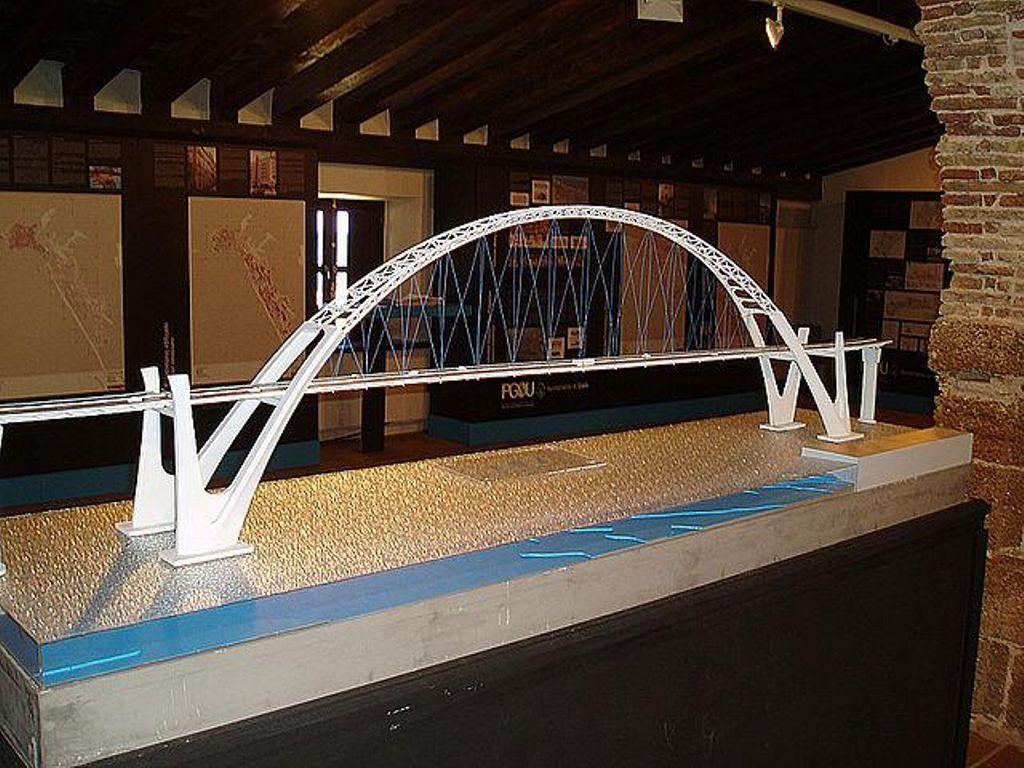
The bridge is formed by four interconnected platforms, each with its own characteristics, plus two towers. A total of 34 pillars support the bridge, and nine of them are anchored underwater.
The bridge even includes a removable section, as the Shipyards required a clearance without limits. The first version was a movable section, but it was eventually discarded, and this was one of the changes that caused the increase in the bridge's cost.