
The Most Beautiful Medieval Towns in Europe

Europe is full of medieval towns that look like they've come straight out of a storybook, featuring castles, walls, and streets that have maintained their original state. If you are interested in the Middle Ages, from its architecture to its historical events, take out your notebook and pen to include these destinations in your next trip.
Rothenburg ob der Tauber, Germany

This Bavarian village is one of the best-preserved in Europe. Founded in the 10th century, it reached its peak in the 13th century thanks to trade, as many towns did at that time. Its medieval wall, still intact, can be walked to enjoy views over Rothenburg ob der Tauber. During the Thirty Years' War, the city was nearly destroyed, but it was saved, according to legend, when the mayor won a challenge to drink three liters of wine in one go.
Carcassonne, France

This city is a must for lovers of the Middle Ages in Spain, as it is not far from the border and can be reached by car. Carcassonne is famous for its walled medieval citadel. Its walls date back to the 3rd century, although it was in the 12th century that it acquired its current structure. With its 52 towers and double fortification system, Carcassonne was crucial during the Albigensian Crusade.
Český Krumlov, Czech Republic

This village in Bohemia, founded in the 13th century, is known for its Renaissance castle that overlooks the Vltava River. Český Krumlov thrived under the Rosenberg family in the Middle Ages and retains its original structure. The castle houses an observation tower and an exceptionally well-preserved Baroque theater.
San Gimignano, Italy
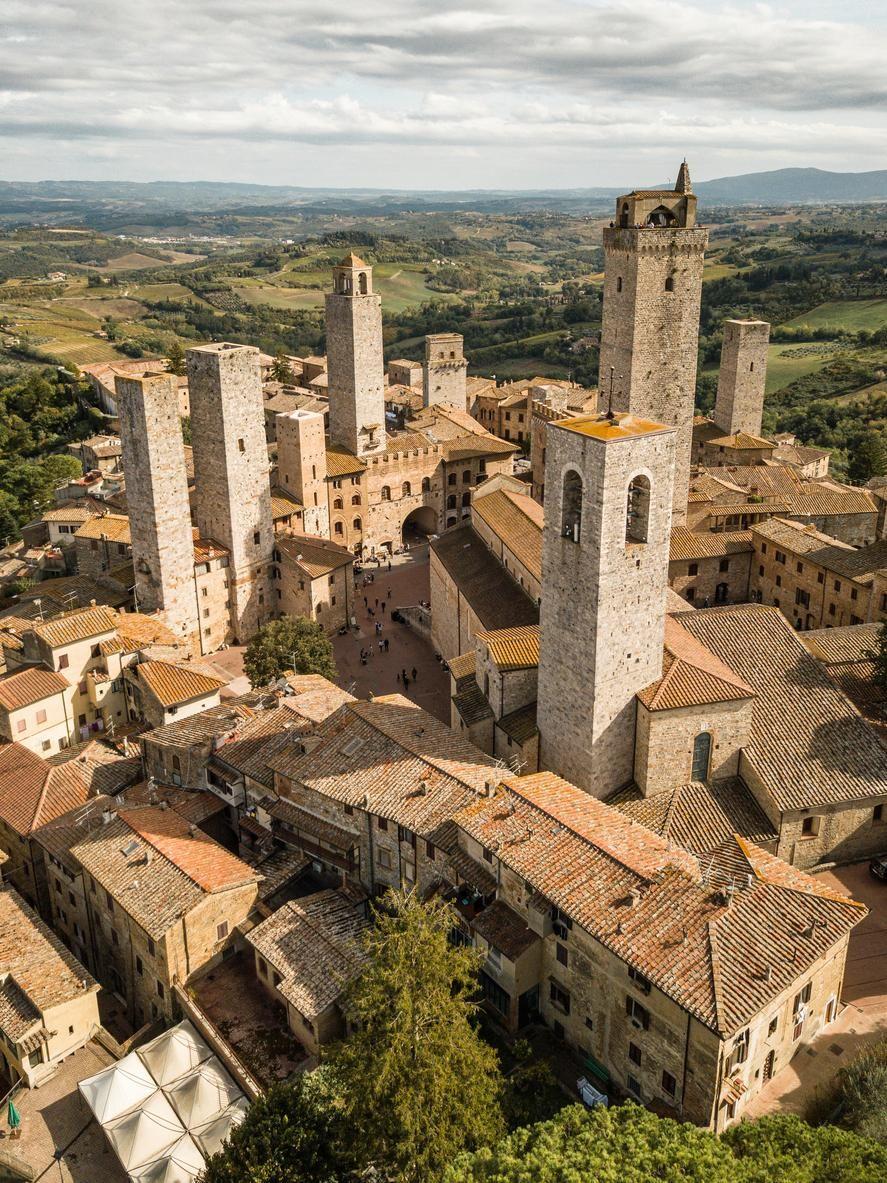
Located in Tuscany, San Gimignano is famous for its 14 medieval towers, built by noble families in the 12th and 13th centuries. At one time, there were more than 70 towers. San Gimignano is also known for its white wine, Vernaccia, which has been produced in the region since the Middle Ages.
Bruges, Belgium

This city, also known as "the Venice of the North", is a perfectly preserved medieval city in Flanders. Its canals, Gothic churches, and the market square with its 13th-century bell tower make this city a medieval treasure.
Tallinn, Estonia

The capital of Estonia, Tallinn, has one of the most imposing medieval old towns in Northern Europe. It was declared a UNESCO World Heritage Site, and its 15th-century Town Hall Square and 12th-century St. Olaf's Church are iconic symbols of its rich medieval heritage. Tallinn was an important port of the Hanseatic League, which made it an important trading center (unlike today's).
Monsaraz, Portugal
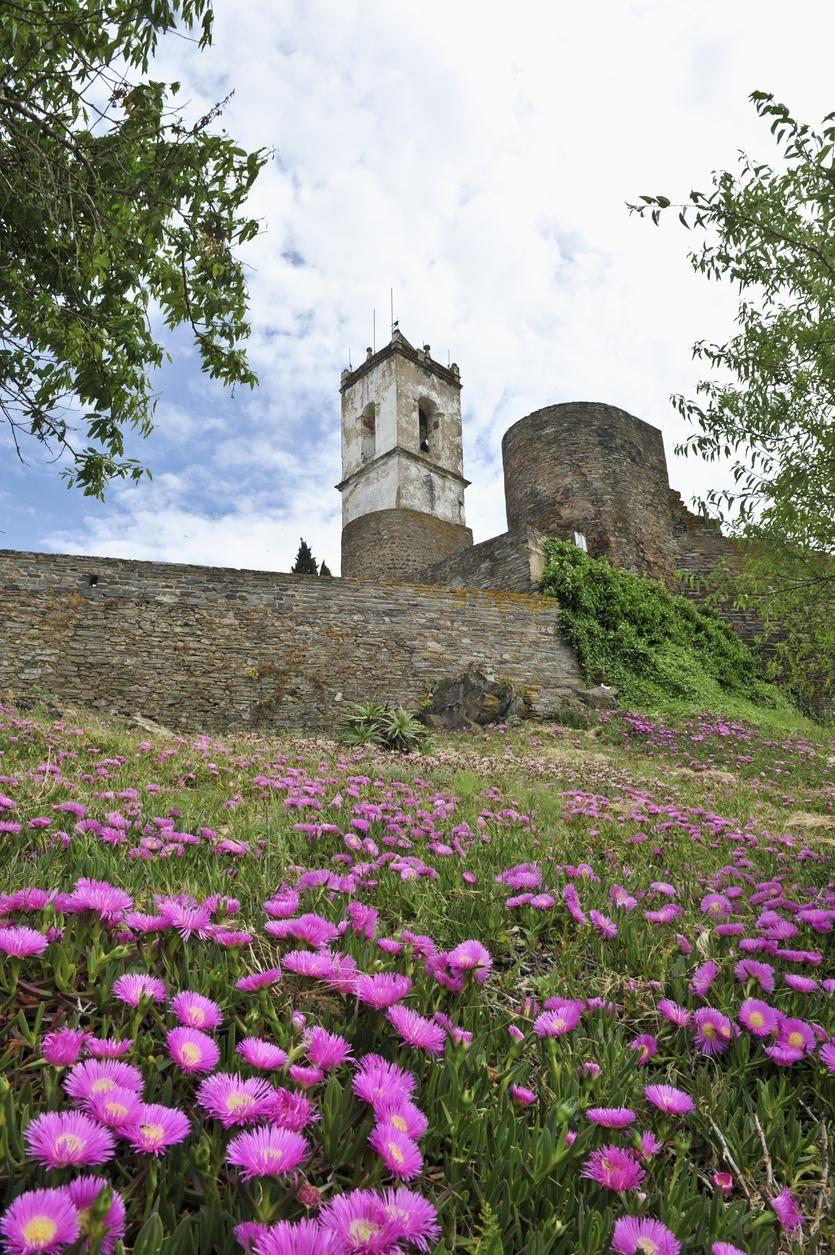
This small village in the Alentejo region of Portugal is a tiny paradise for history fans. Situated atop a hill and surrounded by walls, Monsaraz offers stunning views of the fields and the Alqueva reservoir. Its history dates back to the 13th century when it was fortified by King Sancho II.